భిన్నమైన మార్కెట్ డిజైన్తో కొత్త టెండర్
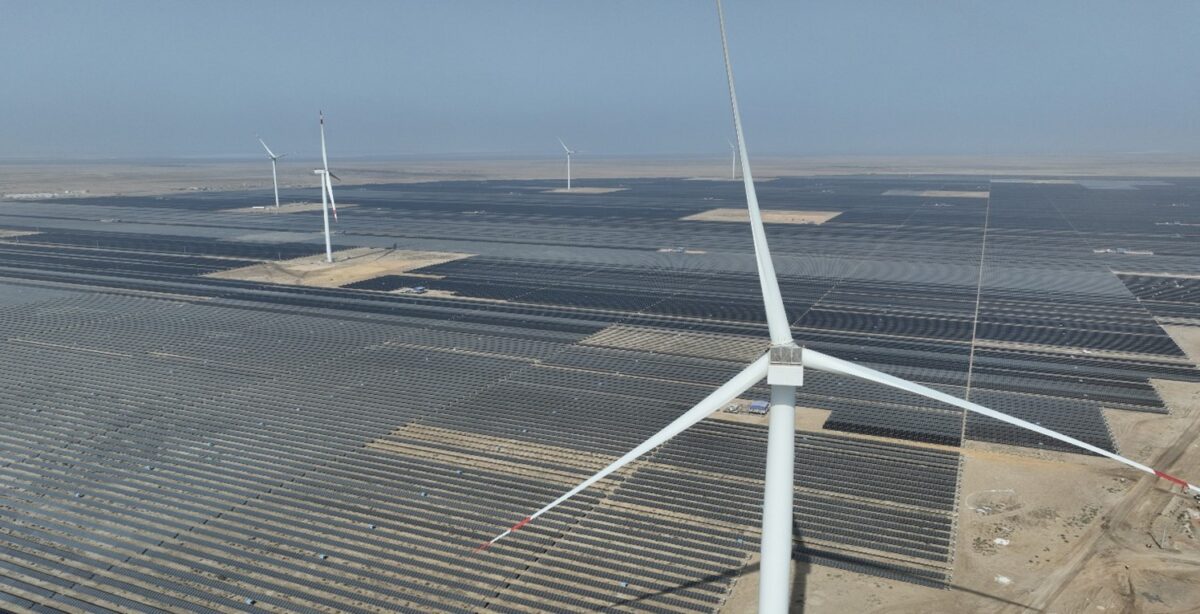
భారతదేశం 500 మెగావాట్ల పునరుత్పాదక ఇంధన టెండర్ను ప్రారంభించింది. ఇది తన సామర్థ్యం కారణంగా మాత్రమే కాక, దానికి అనుసంధానించిన మార్కెట్ నిర్మాణం కారణంగానూ ప్రత్యేకంగా నిలుస్తుంది. అందించిన మూల పాఠ్యం ప్రకారం, సోలార్ ఎనర్జీ కార్పొరేషన్ ఆఫ్ ఇండియా, ఇంటర్స్టేట్ ట్రాన్స్మిషన్ సిస్టమ్కు అనుసంధానమైన పునరుత్పాదక ప్రాజెక్టుల కోసం ప్రతిపాదనలు కోరుతోంది. ఇవి కాంట్రాక్ట్-ఫర్-డిఫరెన్స్ విధానం కింద 1,500 మెగావాట్ల-గంటల హామీ గల పీక్ పవర్ను, అంటే మూడు గంటలపాటు 500 మెగావాట్లను, సరఫరా చేయాలి.
దీని విశిష్ట లక్షణం ఏమిటంటే, ఎంపికైన డెవలపర్లు తమ ప్రాజెక్టుల్లో ఉత్పత్తి చేసిన విద్యుత్ను ప్రధానంగా పవర్ ఎక్స్ఛేంజ్ల ద్వారా విక్రయిస్తారు. SECI, విజేత బిడ్డర్లతో 12 సంవత్సరాల పాటు కాంట్రాక్ట్-ఫర్-డిఫరెన్స్ ఒప్పందాలు చేసుకుంటుంది. దీంతో పునరుత్పాదక ఉత్పత్తి సంప్రదాయ దీర్ఘకాల ఆఫ్టేక్ నిర్మాణాల కంటే ట్రేడెడ్ మార్కెట్ డిస్పాచ్తో మరింత స్పష్టంగా అనుసంధానమయ్యే మార్గం ఏర్పడుతుంది.
దీన్ని ఒక ముఖ్యమైన విధాన మరియు మార్కెట్ సంకేతంగా చూడాలి. తక్కువ ఖర్చుతో ఉత్పత్తి చేయడమే కాకుండా, గ్రిడ్కు అత్యంత అవసరమైన సమయాల్లో విద్యుత్ అందించడాన్ని కూడా పునరుత్పాదక శక్తి కోసం ప్రోత్సహించే మెకానిజమ్లను భారతదేశం ఇంకా అన్వేషిస్తోందని ఇది సూచిస్తుంది.
టెండర్ ఏమి కోరుతోంది
మూల పాఠ్యం ప్రకారం, టెండర్లో ఎంపికయ్యే డెవలపర్లు శక్తి నిల్వ వ్యవస్థలతో లేదా వాటి లేకుండా ISTS-అనుసంధానిత పునరుత్పాదక ప్రాజెక్టులను ఏర్పాటు చేస్తారు. ప్రాజెక్టులు భారతదేశంలో ఎక్కడైనా, డెవలపర్ ఎంచుకున్న స్థలంలో ఉండవచ్చు. ప్రతి ప్రాజెక్టులో, పునరుత్పాదక ఉత్పత్తి భాగం మరియు, అది చేర్చితే, శక్తి నిల్వ వ్యవస్థ, సహ-స్థానికంగా ఉండాలి.
ఈ సహ-స్థానికత అవసరం ముఖ్యమైనది, ఎందుకంటే ఇది సమగ్ర ప్రాజెక్టు రూపకల్పనను ప్రోత్సహిస్తుంది. నిల్వను వ్యవస్థలో వేరే చోట ఉండే ప్రత్యేక బ్యాలెన్సింగ్ వనరుగా చూడకుండా, ఈ టెండర్ ఉత్పత్తి మరియు అనువుదనాన్ని ప్రాజెక్టు స్థాయిలో ప్యాకేజీ చేయడానికి డెవలపర్లకు అనుమతిస్తుంది. దీని ద్వారా, ముఖ్యంగా హామీ గల పీక్ పవర్పై కేంద్రీకృత నిర్మాణంలో, డిస్పాచ్ విశ్వసనీయత మెరుగవుతుంది.
మూడు గంటలపాటు 1,500 మెగావాట్ల-గంటల సరఫరా లక్ష్యం కూడా ముఖ్యమే. ఇది ప్రొక్యూర్మెంట్ను కేవలం నేమ్ప్లేట్ సామర్థ్యం కాక, సమయ-సున్నిత డెలివరీ చుట్టూ ఫ్రేమ్ చేస్తుంది. వాస్తవానికి, ఈ టెండర్ పునరుత్పాదక డెవలపర్లు ఎంత విద్యుత్ ఉత్పత్తి చేయగలరో మాత్రమే కాదు, ఆ అవుట్పుట్ను ఉపయోగపడే పీక్ ఉత్పత్తిగా ఎంత నమ్మకంగా మలచగలరో చూపించాలని అడుగుతోంది.

పవర్ ఎక్స్ఛేంజ్ డిస్పాచ్ ఎందుకు సమీకరణాన్ని మార్చుతుంది
పవర్ ఎక్స్ఛేంజ్ల ద్వారా విద్యుత్ అమ్మాలనే ఆదేశం, భారతదేశం మరింత మార్కెట్-ప్రతిస్పందన గల పునరుత్పాదక ప్రొక్యూర్మెంట్ మోడల్తో ప్రయోగాలు చేస్తోందన్న స్పష్టమైన సంకేతాలలో ఒకటి. సంప్రదాయ పునరుత్పాదక టెండర్లు ఎక్కువగా స్థిరమైన పవర్ పర్చేస్ అగ్రిమెంట్ల చుట్టూ తిరుగుతాయి. ఈ టెండర్, కాంట్రాక్ట్-ఫర్-డిఫరెన్స్ ఏర్పాటుతో దీర్ఘకాల ఒప్పంద మద్దతును నిలుపుకుంటూనే, నిజమైన విద్యుత్ అమ్మకాలను ఎక్స్ఛేంజ్-ఆధారిత ట్రేడింగ్లోకి తోస్తోంది.
ఈ హైబ్రిడ్ నిర్మాణం పలు ప్రభావాలను కలిగి ఉండవచ్చు. ఇది పునరుత్పాదక అవుట్పుట్ మరియు మార్కెట్ డిమాండ్ మధ్య మెరుగైన సరితూగుదలను ప్రోత్సహించవచ్చు. నిల్వ ఉంటే, అది ప్రాజెక్టు నిర్వహణను ఆప్టిమైజ్ చేయడానికి డెవలపర్లకు మరింత స్పష్టమైన వాణిజ్య ప్రోత్సాహం ఇవ్వవచ్చు. అలాగే, పునరుత్పాదక విద్యుత్ను విస్తృత విద్యుత్ వ్యవస్థలో ఏకీకృతం చేయడంలో ఎక్స్ఛేంజ్ల పాత్రను మరింత బలోపేతం చేయవచ్చు.
మూల పాఠ్యంలో సెటిల్మెంట్ సూత్రాలు లేదా స్ట్రైక్-ప్రైస్ యాంత్రికత వివరించబడలేదు, కాబట్టి ఖచ్చితమైన ఆర్థిక రూపకల్పన అందించిన సమాచారానికి బయటే ఉంటుంది. అయినప్పటికీ, ప్రధాన ఏర్పాటును చూస్తే ఇది సాధారణ సామర్థ్య వేలం కంటే చాలా ముందుకెళ్లినదని స్పష్టమవుతుంది.
పీక్ పవర్ ఇప్పుడు పునరుత్పాదక సవాలులో కేంద్రంగా మారుతోంది
పునరుత్పాదక ప్రవేశం పెరుగుతున్న కొద్దీ, విలువపై ప్రశ్న మారుతుంది. తక్కువ ఖర్చుతో జరిగే పగటిపూట ఉత్పత్తి ఇంకా ముఖ్యమే, కానీ వ్యవస్థలకు ఇప్పుడు డిమాండ్ పీక్ అయినప్పుడు లేదా సౌర ఉత్పత్తి తగ్గినప్పుడు సహాయపడగల పునరుత్పాదక వనరులు ఎక్కువగా అవసరం. భారతదేశం కొత్త టెండర్ హామీ గల పీక్ పవర్ను పేర్కొని ఈ సమస్యను నేరుగా పరిష్కరిస్తోంది.
శక్తి నిల్వ వ్యవస్థలను చేర్చుకునే అవకాశం డెవలపర్లకు ఈ అవసరాన్ని తీర్చడానికి ఒక మార్గాన్ని ఇస్తుంది, కానీ నిల్వ తప్పనిసరి కాదు. దీని వల్ల వనరుల ప్రొఫైల్, వాణిజ్య అంచనాలు, స్థల పరిస్థితుల ఆధారంగా వివిధ ప్రాజెక్టు వ్యూహాలకు స్థలం ఉంటుంది. అయితే, సహ-స్థానికత నియమం వల్ల నిల్వ వాడితే అది ఒంటరిగా ఉన్న ఒప్పంద అనుబంధం కాక, సమగ్ర ప్లాంట్ డిజైన్లో భాగంగా ఉండేలా చేస్తుంది.
ఇది ఆర్థిక మార్కెట్లలో జరుగుతున్న విస్తృత పరిణామానికి అనుగుణంగా ఉంది; ఇక్కడ పునరుత్పాదకాలను ఖర్చుతో పాటు దృఢత్వం, సమయం, డిస్పాచ్ సామర్థ్యం పరంగానూ ఇప్పుడు ఎక్కువగా అంచనా వేస్తున్నారు. పీక్ డెలివరీని స్వతంత్ర ప్రొక్యూర్మెంట్ లక్ష్యంగా పరిగణిస్తూ టెండర్ ఈ మార్పును ప్రతిబింబిస్తోంది.
భారత శక్తి మార్పిడి కోసం దీని ప్రాముఖ్యత
భారతదేశ పునరుత్పాదక విస్తరణ అంత పెద్దది కాబట్టి, ప్రొక్యూర్మెంట్ డిజైన్ ఇప్పుడు వ్యవస్థ-స్థాయి ప్రాధాన్యం పొందింది. 500 మెగావాట్ల టెండర్ స్వయంగా ముఖ్యమైనదే, కానీ దీనిలో ఉన్న అసలు ప్రాముఖ్యత, అది ఎలాంటి భవిష్యత్ ప్రాజెక్టులను ప్రోత్సహిస్తుందన్నదానిలో ఉంది. కాంట్రాక్ట్-ఫర్-డిఫరెన్స్ నిర్మాణం ఎక్స్ఛేంజ్ డిస్పాచ్తో బాగా పనిచేస్తే, విశ్వసనీయత-కేంద్రీకృత శుభ్రమైన విద్యుత్ కోసం మరిన్ని ప్రొక్యూర్మెంట్లకు ఇది ఒక నమూనాగా మారవచ్చు.
టెండర్ డిజైన్ ఒకేసారి పలు ప్రాధాన్యాలను సూచిస్తోంది:
- మార్కెట్-లింక్డ్ పునరుత్పాదక డిస్పాచ్ను ఎక్కువగా ఉపయోగించడం
- సమానమైన శక్తి ఉత్పత్తి కంటే పీక్-కాల డెలివరీపై ఎక్కువ దృష్టి
- సహ-స్థానిక పునరుత్పాదక-ప్లస్-నిల్వ అభివృద్ధికి ప్రోత్సాహం
- ఇంటర్స్టేట్ ట్రాన్స్మిషన్ నెట్వర్క్లలో అనువైన శుభ్రమైన విద్యుత్ను విస్తృతంగా ఏకీకృతం చేయడం
విశ్వసనీయత మరియు అందుబాటు రెండింటినీ కాపాడుతూ వేగంగా పెరగాల్సిన విద్యుత్ వ్యవస్థలో ఈ అంశాలు అన్నీ ముఖ్యమైనవే.
గమనించదగ్గ విధాన ప్రయోగం
SECI టెండర్ను ఒక ప్రొక్యూర్మెంట్ సంఘటనగా మాత్రమే కాక, ఒక మార్కెట్ డిజైన్ ప్రయోగంగా కూడా చూడాలి. ఇది కేవలం ఎవరు అత్యల్ప ఖర్చుతో పునరుత్పాదక సామర్థ్యాన్ని నిర్మించగలరో అడగడం కాదు. ఎక్స్ఛేంజ్ల ద్వారా డిస్పాచ్, కాంట్రాక్ట్-ఫర్-డిఫరెన్స్ ద్వారా రెవెన్యూ మద్దతు ఉన్న నిర్మాణంలో, ఎవరు హామీ గల పీక్ పవర్ను అందించగలరో అడుగుతోంది.
ఇది మరింత సాంకేతికమైన ప్రశ్న, మరియు ఆధునికీకరిస్తున్న గ్రిడ్ వాస్తవాలకు మరింత అనుకూలమైనది. భారత విద్యుత్ మిశ్రమంలో పునరుత్పాదకాలు ఇక పక్క కేటగిరీ కాదు. అవి కేంద్రంగా మారుతున్న కొద్దీ, సమయ నియంత్రణ, దృఢత్వం, ట్రేడింగ్ డిజైన్ అన్నీ సంస్థాపన పరిమాణం जितनेనే ముఖ్యంగా మారుతున్నాయి.
డెవలపర్లు బలంగా స్పందించి, వ్యవస్థ ఆశించినట్లు పనిచేస్తే, ఈ టెండర్ భవిష్యత్ స్వచ్ఛ విద్యుత్ వేలాల నిర్మాణాన్ని ప్రభావితం చేయవచ్చు. కనీసం, ఇది భారతదేశం మొదటి తరం పునరుత్పాదక ప్రొక్యూర్మెంట్ మోడళ్లను దాటి, మార్కెట్ పాల్గొనడం మరియు వ్యవస్థ విలువ మరింత సన్నిహితంగా అనుసంధానమైన ఒక రూపకల్పనను పరీక్షిస్తున్నదని చూపిస్తోంది.
ఈ వ్యాసం PV Magazine నివేదిక ఆధారంగా ఉంది. మూల వ్యాసాన్ని చదవండి.
Originally published on pv-magazine.com