Federal Override of State Energy Policy
The U.S. Department of Energy has issued a series of emergency orders directing fossil fuel power plants slated for retirement to remain operational, a move that is generating significant friction between federal authority and state-level energy regulation. Legal experts and utility officials are divided on whether the orders — often called stay-open directives — constitute a legitimate exercise of federal emergency powers or an overreach that undermines states' rights to manage their own energy systems.
The orders have been issued under authority the DOE claims derives from the Federal Power Act's emergency provisions, which allow the Secretary of Energy to order emergency measures when grid reliability is threatened. Critics argue that the orders are being used not for genuine reliability emergencies but as a policy tool to extend the operational life of coal and gas plants facing retirement for economic or environmental reasons.
Ratepayer Costs Mount
Environmental and consumer advocacy groups have put the cost to electricity ratepayers in the hundreds of millions of dollars and growing. When plants that would otherwise have closed are kept running, utilities must pay those generators' operating costs — expenses that flow through to customers' electricity bills. In some cases, the kept-open plants are uncompetitive with cheaper alternatives on the grid, meaning ratepayers are effectively subsidizing uneconomic fossil generation.
The Union of Concerned Scientists and other groups have filed formal objections with the Federal Energy Regulatory Commission, arguing that the DOE orders bypass the established regulatory process for determining when reliability concerns justify extraordinary measures. FERC, which oversees wholesale electricity markets, has historically been the primary venue for resolving disputes about whether specific generators are needed for reliability.

State Authority Under Pressure
Several states that have adopted aggressive clean energy standards find themselves in an awkward position. When a state's public utility commission approves the retirement of an aging coal plant — as part of a resource adequacy plan that relies on renewables and storage — a federal stay-open order effectively overrules that state decision without going through normal regulatory channels. This has raised constitutional questions about the extent to which federal emergency power can displace state energy jurisdiction.
Lawyers representing utilities in affected states have noted that the orders create a planning nightmare. Resource adequacy planning requires utilities to make long-horizon commitments about generation, transmission, and storage investments. When retirement dates become unpredictable, it's difficult to contract for replacement capacity or justify the capital expenditures that grid modernization requires.
The DOE's Rationale
DOE officials have defended the orders as a necessary response to grid reliability risks exposed by recent extreme weather events. Winter storms over the past several years have caused widespread generation shortfalls in parts of the country, and the department has argued that maintaining a buffer of dispatchable thermal generation is essential during the transition to a renewables-heavy grid.
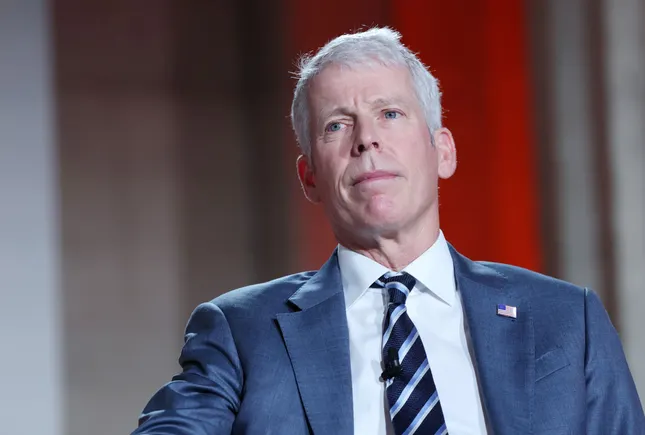
Energy Secretary Chris Wright has been a vocal proponent of what the administration calls energy dominance — a policy framework that prioritizes expanding all forms of domestic energy production, including fossil fuels. The stay-open orders fit within that broader agenda, though critics note that grid reliability and political energy policy are being conflated in ways that blur the legal basis for federal action.
Market Distortion Concerns
Power market analysts have raised concerns that the orders distort competitive electricity markets. When a plant that has lost in the market on cost or emissions grounds is kept running through regulatory fiat, it displaces investment in the competitive alternatives — storage, demand response, and new generation — that would otherwise fill the reliability gap. Over time, this could slow the transition that grid operators and state regulators have been planning for.
Grid operators in the PJM Interconnection and MISO regions, which cover much of the Midwest and Mid-Atlantic, have indicated they are watching the situation closely. Both organizations have their own reliability assessment processes and have generally found that retirements can be managed without emergency orders when adequate notice is given and replacement resources are procured in advance.
Legal Challenges Expected
The legal landscape around the orders is expected to become clearer as court challenges proceed. Environmental groups are preparing litigation, and at least one state utility commission has signaled it may seek judicial review. The outcome could have lasting implications not just for this administration's energy policy but for the long-term boundary between federal emergency authority and state energy regulation — a question that will only grow more consequential as the grid evolves.
This article is based on reporting by Utility Dive. Read the original article.
Originally published on utilitydive.com