Landmark Green Hydrogen Investment in South America
British green hydrogen company Atome has secured a $420 million debt package to finance construction of a $650 million low-carbon fertilizer plant in Paraguay. The facility will produce approximately 260,000 metric tons of ammonia-based fertilizer per year using green hydrogen derived from the country's abundant hydroelectric power.
The project represents one of the largest green hydrogen investments in South America and one of the first industrial-scale green hydrogen fertilizer plants outside the European Union. The European Investment Bank participated in the financing, signaling institutional confidence in the viability of green hydrogen for industrial applications in developing economies.
Paraguay's Hydroelectric Advantage
Paraguay's selection as the plant's location is strategic. The country generates virtually all of its electricity from hydroelectric dams, most notably the massive Itaipu facility shared with Brazil and the Yacyreta dam shared with Argentina. This gives Paraguay some of the cheapest and cleanest electricity in the world, a critical factor for green hydrogen production where electricity costs typically account for the majority of operational expenses.
The electrolysis process that splits water into hydrogen and oxygen is energy-intensive, and the economic case for green hydrogen depends heavily on access to affordable renewable electricity. Paraguay's surplus hydroelectric capacity makes it an ideal location for energy-intensive industrial processes that would be prohibitively expensive in regions dependent on fossil fuel-generated electricity.
The produced green hydrogen will be used as a feedstock for ammonia synthesis, which in turn serves as the basis for nitrogen fertilizers. This process replaces the conventional method of producing ammonia from natural gas through steam methane reforming, which is one of the most carbon-intensive industrial processes globally, accounting for roughly 1.8 percent of global carbon dioxide emissions.

Global Green Hydrogen Momentum
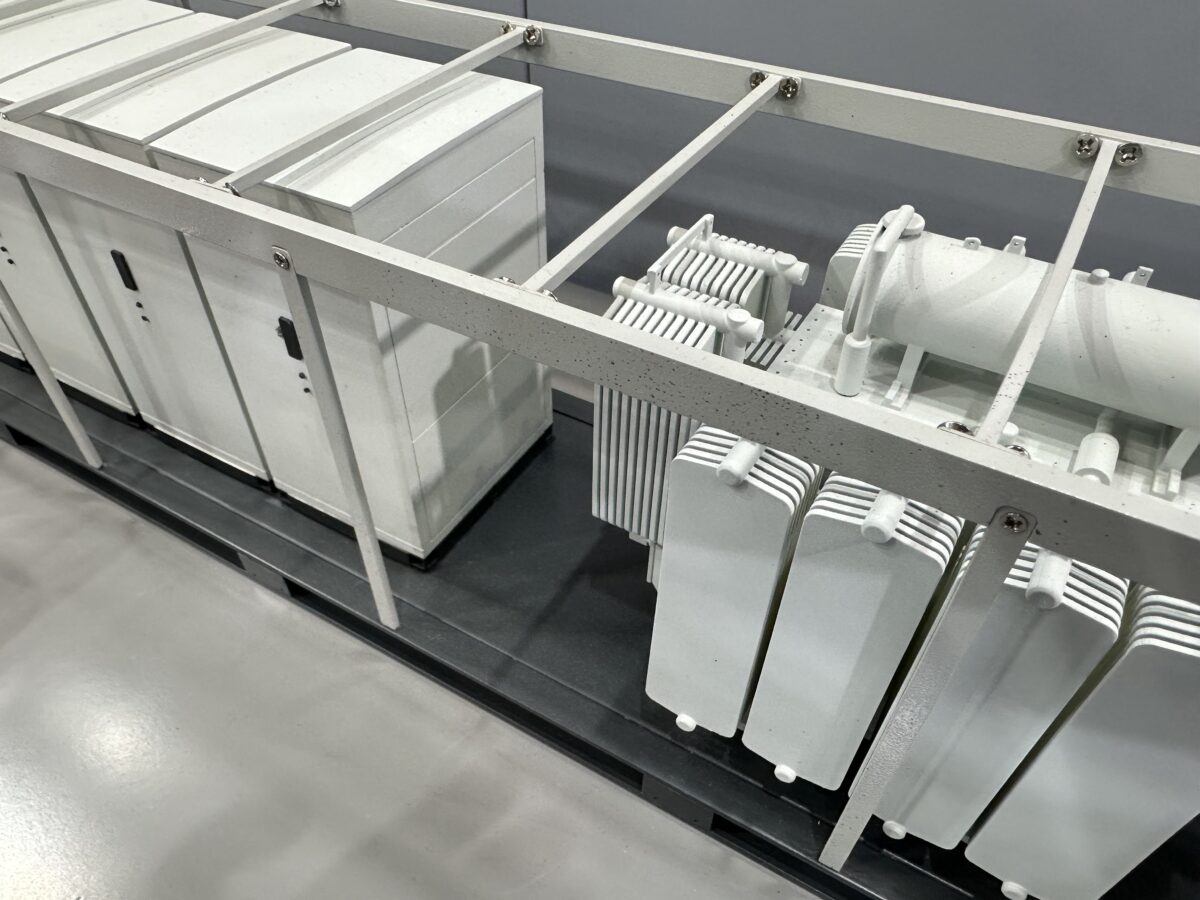
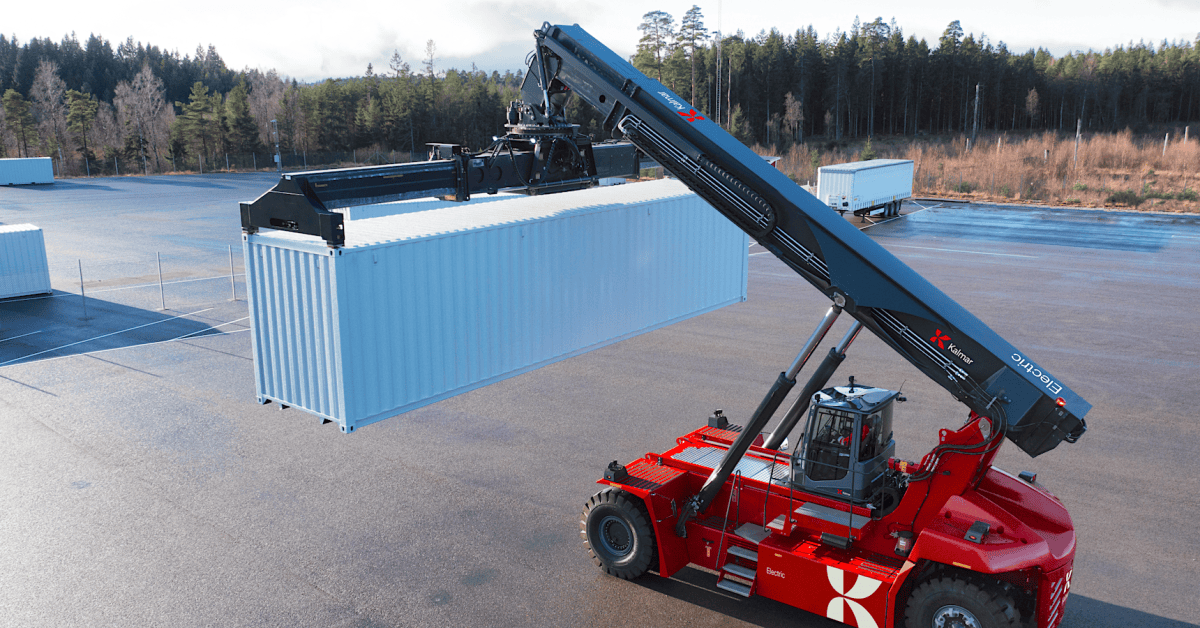
The Atome project joins a growing pipeline of green hydrogen investments worldwide. In a parallel development, Japanese industrial conglomerate Asahi Kasei has begun installing a one-megawatt containerized alkaline water electrolyzer at Finland's first commercial hydrogen refueling station in Jyvaskyla. The installation will produce 400 kilograms of hydrogen per day when operations commence in summer 2026, serving as a model for hydrogen-powered mobility in cold climates.
In India, Advait Greenergy has inaugurated one of the country's first 30-megawatt alkaline electrolyzer assembly facilities in Gujarat. The company has outlined an ambitious roadmap to scale from 30 megawatts to one gigawatt of annual manufacturing capacity, reflecting India's aggressive push toward domestic hydrogen production capabilities.
The European Commission has also approved a 440 million euro Spanish state aid scheme to support renewable hydrogen production through the European Hydrogen Bank's auction platform, potentially enabling up to 382 megawatts of electrolysis capacity.
Fertilizer Market Disruption
The convergence of green hydrogen and fertilizer production addresses two urgent global challenges simultaneously. The agriculture sector's dependence on fossil fuel-derived fertilizers creates both carbon emissions and price volatility linked to natural gas markets. The geopolitical disruptions of recent years have demonstrated the vulnerability of fertilizer supply chains to energy market shocks.
Green hydrogen-based fertilizer production offers a pathway to decoupling food production costs from fossil fuel prices while simultaneously reducing the carbon footprint of agriculture. For Paraguay, the project also represents a significant industrial development opportunity, adding value to the country's hydroelectric resources rather than simply exporting raw electricity.
As the global electrolyzer industry scales up and manufacturing costs decline, projects like the Atome facility are expected to become increasingly competitive with conventional ammonia production, potentially reshaping the global fertilizer industry over the coming decade.
This article is based on reporting by PV Magazine. Read the original article.
Originally published on pv-magazine.com