రోబోటిక్స్ హార్డ్వేర్ అంచున మరింత చిన్నదవుతోంది
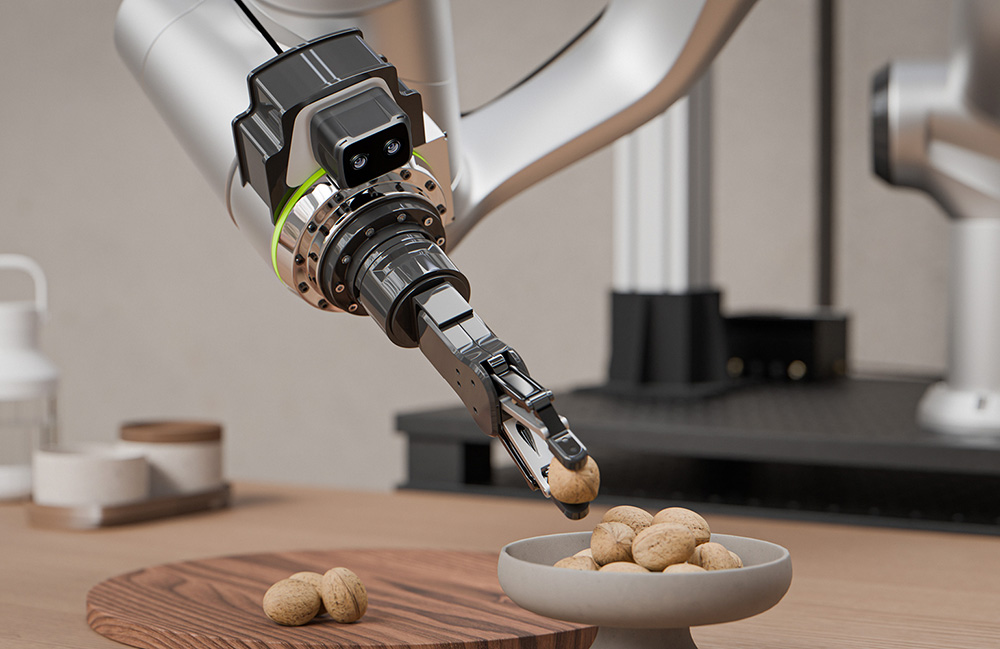
Ouster, Stereolabs ZED X Nanoను విడుదల చేసింది. ఇది రోబోటిక్ మణికట్టులు మరియు end-of-arm toolingపై నేరుగా అమర్చేలా రూపొందించిన మణికట్టు-మౌంటెడ్ కెమెరా. అందించిన మూల పాఠ్యం సంక్షిప్తమైనదే అయినప్పటికీ, ఉత్పత్తి స్థానం స్పష్టంగా ఉంది: ప్రతి మిల్లీమీటర్ ముఖ్యమైన సందర్భాల కోసం ఉద్దేశించిన విజన్ భాగం ఇది.
ఆ విధానం రోబోటిక్స్లోని ఒక ప్రాయోగిక సవాలును సూచిస్తుంది. అనేక perception systems సిద్ధాంతపరంగా బాగా పనిచేస్తాయి, కానీ డిజైనర్లు manipulatorకి మరింత దగ్గరగా వెళ్లినప్పుడు integration కష్టమవుతుంది. రోబోట్ పని చివర భాగానికి సమీపంలోని పరిమిత స్థలంలో sensors పోటీ పడినప్పుడు బరువు, clearance, cable routing, మరియు collision risk మరింత కష్టతరమవుతాయి.
మణికట్టు-మౌంటెడ్ sensing ఎందుకు ముఖ్యమో
మణికట్టుపై లేదా దాని సమీపంలో అమర్చిన కెమెరా, రోబోట్ పట్టుకోబోతున్నది, తనిఖీ చేయబోతున్నది, లేదా manipulate చేయబోతున్నది ఏమిటో మరింత ప్రత్యక్షంగా చూపగలదు. వాతావరణం వేగంగా మారే పనుల్లో లేదా స్థిరమైన బాహ్య కెమెరా ఉపయోగకరమైన కోణాన్ని కొనసాగించలేని సందర్భాల్లో ఇది విలువైనది. industrial మరియు mobile robotics రెండింటికీ, sensor స్థానం perception సైద్ధాంతికంగానే మిగులుతుందా లేదా కార్యాచరణపరంగా ఉపయోగకరమవుతుందా అన్నదాన్ని నిర్ణయించగలదు.
అందించిన మూలంలో వివరించినట్లుగా, ZED X Nano యొక్క ప్రధాన వాదన హెడ్లైన్ ఆకర్షణకంటే integration వాస్తవికతపై ఎక్కువగా ఉంది. చిన్న కెమెరా వలన engineers భారీ sensor package చుట్టూ tool headను తిరిగి రూపకల్పన చేయకుండా machine visionను జోడించడం సులభమవుతుంది.
రోబోటిక్స్ ఉత్పత్తి రూపకల్పనపై ఒక సంకేతం
ఈ ఉత్పత్తి రోబోటిక్స్లోని విస్తృత ధోరణిని కూడా ప్రతిబింబిస్తుంది: hardware makers ఇప్పుడు కేవలం raw capability కోసం కాకుండా deployment constraints కోసం మరింత optimize చేస్తున్నారు. వాస్తవ ప్రపంచ వ్యవస్థల్లో, compactness స్వయంగా ఒక ఫీచర్. స్థలం ఆదా చేసే భాగం design tradeoffsను సులభతరం చేయగలదు, toolingతో జోక్యాన్ని తగ్గించగలదు, మరియు onboard visionను ప్రాయోగికంగా ఉపయోగించగల రోబోట్లు లేదా పనుల పరిధిని విస్తరించగలదు.
అందించిన పాఠ్యంలో technical specifications, performance benchmarks, లేదా mounting locationను దాటి target sectors లేవు. అయినప్పటికీ, ఆ పరిమిత సమాచారం ఉన్నప్పటికీ, ఈ విడుదల robotics hardware కోసం ఒక ముఖ్యమైన దిశను సూచిస్తోంది. field deploymentలో వచ్చే తదుపరి లాభాలు మరింత తెలివైన models లేదా మెరుగైన sensors నుంచే కాకుండా, రోబోట్లు నిజంగా అవసరమయ్యే చోట్లకు సరిపోయే పరిమాణం మరియు ప్యాకేజింగ్ ఉన్న components నుంచీ రావచ్చు.
దాంతో ZED X Nano, అర్థవంతమైన use case కలిగిన చిన్న productగా మారుతుంది. రోబోటిక్స్లో, పాత designs సరిపోని చోట సరిపోయే hardware advancesనే ఎక్కువ విలువైనవిగా మారతాయి.
ఈ వ్యాసం The Robot Report నివేదిక ఆధారంగా ఉంది. అసలు వ్యాసాన్ని చదవండి.
Originally published on therobotreport.com