Industrial AI materials recovery లో మరింత లోతుగా వెళ్తోంది
Lebanon, Tennesseeలో ఉన్న తన రెండవ advanced processing facility ఈ నెలలో పూర్తిగా operational status లోకి వస్తోందని Sortera Technologies చెబుతోంది; ఇది AI-driven scrap sorting లో కంపెనీ footprint ని గణనీయంగా విస్తరిస్తుంది. The Robot Report నివేదించిన company information ప్రకారం, అదనపు site annual processing capacity ని సుమారు 240 million pounds వరకు పెంచుతుంది, మరియు Markle, Indianaలో ఉన్న Sortera ప్రస్తుత operation తో కలిపితే output ని దాదాపు రెట్టింపు చేస్తుంది.
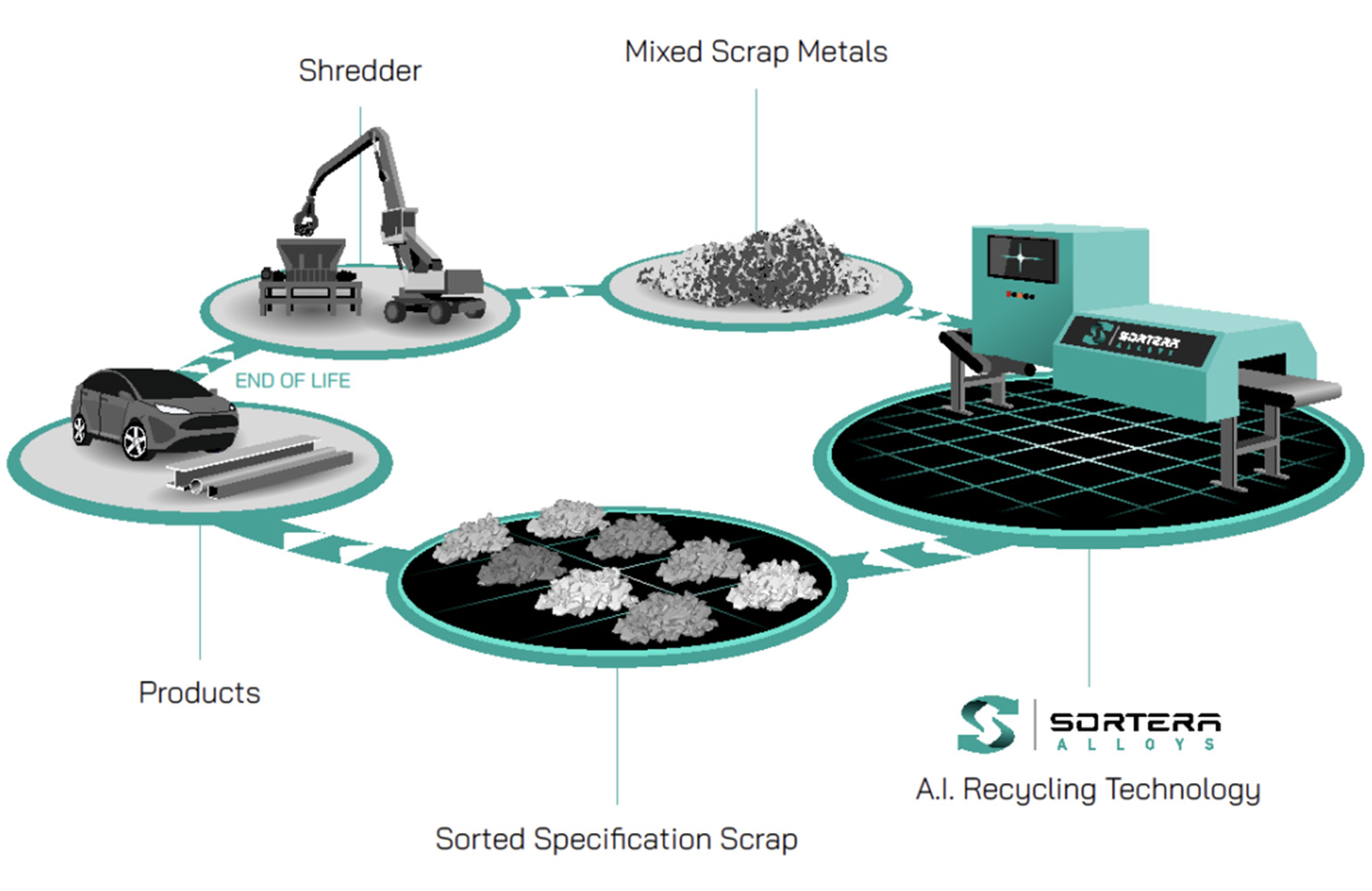
ఇక్కడ ముఖ్యాంశం మరొక recycling plant ప్రారంభమైందన్నది మాత్రమే కాదు. ఇది artificial intelligence, data analytics, మరియు advanced sensors పై ఆధారపడిన Sortera వివరించే upcycling platform యొక్క కొనసాగుతున్న industrialization. mixed scrap చారిత్రకంగా downgraded చేయబడిన లేదా export చేయబడిన రంగంలో, software-guided sorting అధిక విలువైన material streams ని domestic manufacturing కోసం తిరిగి పొందగలదని కంపెనీ స్పష్టంగా చెబుతోంది.
Business case పరిమాణం గురించి మాత్రమే కాదు, నాణ్యత గురించి కూడా
Scrap ను మరింత సమర్థవంతంగా sort చేయడం ముఖ్యం, కానీ purity అసలు economic lever. ఒక processor mixed alloy inputs ను automotive, construction, మరియు aerospace ఉపయోగాలకు సరిపోయే స్థాయిలో clean feedstock గా మార్చగలిగితే, recovered material విలువ గణనీయంగా మారుతుంది. mixed alloy scrap ను lower-grade output గా పరిగణించకుండా high-value fractions గా మార్చేలా తమ system రూపొందించబడిందని Sortera చెబుతోంది.
ఇది ముఖ్యమైనది, ఎందుకంటే manufacturers కు recycled materials మాత్రమే కాదు, dependable materials కావాలి. consistency ఇవ్వలేని recycling process, demanding sectors లో primary inputs ను స్థానభ్రంశం చేయడం కష్టమే. AI-guided sorting lines commercial manufacturing supply chains కు అవసరమైన వేగం మరియు స్థాయిలో consistency ని మెరుగుపరచగలవని Sortera యొక్క వాదన.
Indiana facility performance sustainable, high-quality recycled aluminum కోసం బలమైన demand ఉందని చూపించిందని కంపెనీ CEO చెబుతున్నారు. Tennessee facility ని online చేయడం ద్వారా ఆ demand ను తీర్చడంతో పాటు regional customers కోసం మరింత localized supply chain నిర్మించవచ్చని ఆయన అంటున్నారు. ఈ localization point ముఖ్యమైనది, ఎందుకంటే ఇది recycling economics ను industrial resilience తో కలుపుతుంది. recovered materials end users కు దగ్గరగా process చేయగలిగితే, system longer transport routes మరియు international market volatility కు exposure ను తగ్గిస్తుంది.

ఇక్కడ industrial policy మరియు manufacturing strategy ఎందుకు కలుస్తాయి
సోర్స్ Lebanon plant ను domestic infrastructure buildout లో భాగంగా చూపిస్తోంది. Sortera ఈ model critical materials ను US economy లోనే ఉంచి international imports పై ఆధారాన్ని తగ్గిస్తుందని చెబుతోంది. ఈ వాదన manufacturers, ముఖ్యంగా strategic industries లో ఉన్నవారు, cleaner, more traceable, మరియు less vulnerable supply chains ను secure చేయాల్సిన ఒత్తిడిలో ఉన్న పెద్ద policy context లో సరిపోతుంది.
Recycled aluminum ఈ చర్చలో ప్రత్యేకంగా ముఖ్యమైనది, ఎందుకంటే recycled మరియు virgin production మధ్య energy తేడా చాలా ఎక్కువ. Sortera ప్రకారం, తమ upcycled metals కు virgin aluminum production కంటే సుమారు 95% తక్కువ energy అవసరం. ఆ సంఖ్య ఆపరేషనల్ వాస్తవంలో కూడా నిలకడగా ఉంటే, దాని ప్రభావాలు గణనీయంగా ఉంటాయి: lower embodied energy, తగ్గిన carbon intensity, మరియు commercial మరియు sustainability లక్ష్యాలను చేరుకోవాలని చూస్తున్న manufacturers కి తక్కువ input costs కావచ్చు.
2030 మరియు 2040 goals వైపు partners ను తీసుకెళ్లడంలో ఈ carbon reduction సహాయపడుతుందని కూడా కంపెనీ చెబుతోంది. ఇచ్చిన material ను మించకుండా చూస్తే కూడా, ప్రధాన విషయం స్పష్టమే. Better recycling ఇక environmental story మాత్రమే కాదు. ఇది procurement strategy, regional manufacturing policy, మరియు long-term cost control లో భాగం.
“Physical AI” నిజమైన operating model గా మారుతోంది
AI narratives మరియు physical-world deployment మధ్య తరచుగా ఒక gap ఉంటుంది. అనేక claims abstract గానే ఉంటాయి, pilots లేదా software demonstrations కు మాత్రమే పరిమితమై, industrial process ను మార్చవు. Sortera expansion గమనించదగినది, ఎందుకంటే AI component స్పష్టమైన throughput metric, కొత్త facility, మరియు ముందు site నుండి పునరావృతం చేసిన repeatable operating model తో అనుసంధానించబడింది.
ఇది ఉపయోగకరమైన industrial AI ఎలా ఉంటుందో దానికి దగ్గరగా ఉంది. Software తుది ఉత్పత్తి కాదు. అది machine-and-material system లోని control layer, అది నిరంతరం, వేగంగా, మరియు మారే input conditions లో పనిచేయాలి. Lebanon operation, Markle facility యొక్క reported success ను ప్రతిబింబిస్తే, commodity-heavy industrial environments లో reliability margins ను నిర్ణయించే స్థలంలో AI ని embed చేయవచ్చని Sortera చూపిస్తోంది.
“Physical AI” అనే పదం తరచుగా అతిగా ఉపయోగించబడుతుంది, కానీ ఇక్కడ అది నిజమైనదాన్ని సూచిస్తోంది: machine perception మరియు decision-making ను data ను కాదు, matter ను route చేయడానికి ఉపయోగిస్తున్నారు. కఠినమైన పని స్క్రీన్ పై output సృష్టించడం కాదు. physical material ను industrial economics ను మెరుగుపరచేంత ఖచ్చితంగా classify చేయడమే.
Advanced recycling ప్రాంతీయ స్థాయిలో scale అవుతుందా అన్న పరీక్ష
Tennessee launch కూడా replication కు ఒక పరీక్ష. చాలా advanced processing systems ఒక్కసారి పనిచేస్తాయి. చాలా తక్కువ systems మాత్రమే performance కోల్పోకుండా వివిధ locations లో పునరావృతం చేయగలవు. Lebanon facility యొక్క full launch complex technology ని త్వరగా scale చేయగల team సామర్థ్యాన్ని ప్రతిబింబిస్తుందని Sortera chief operating officer చెబుతున్నారు. కొత్త site లో కూడా Indiana కి కంపెనీ ఆపాదించే purity, throughput, మరియు logistics benefits వినియోగదారులు చూస్తేనే ఆ వాదనకు అసలు ప్రాధాన్యం ఉంటుంది.
అలా జరిగితే, కంపెనీ model ప్రత్యేక operation దాటి lower-energy feedstock తో domestic manufacturing ను support చేసే regional recycled-material hubs కి blueprint గా మారుతుంది. resource security మరియు industrial decarbonization రెండింటినీ ప్రాధాన్యంగా చూస్తున్న ఆర్థిక వ్యవస్థలో, ఇది గమనించాల్సిన infrastructure shift.
ఈ వ్యాసం The Robot Report నివేదిక ఆధారంగా రాయబడింది. అసలు వ్యాసాన్ని చదవండి.
Originally published on therobotreport.com