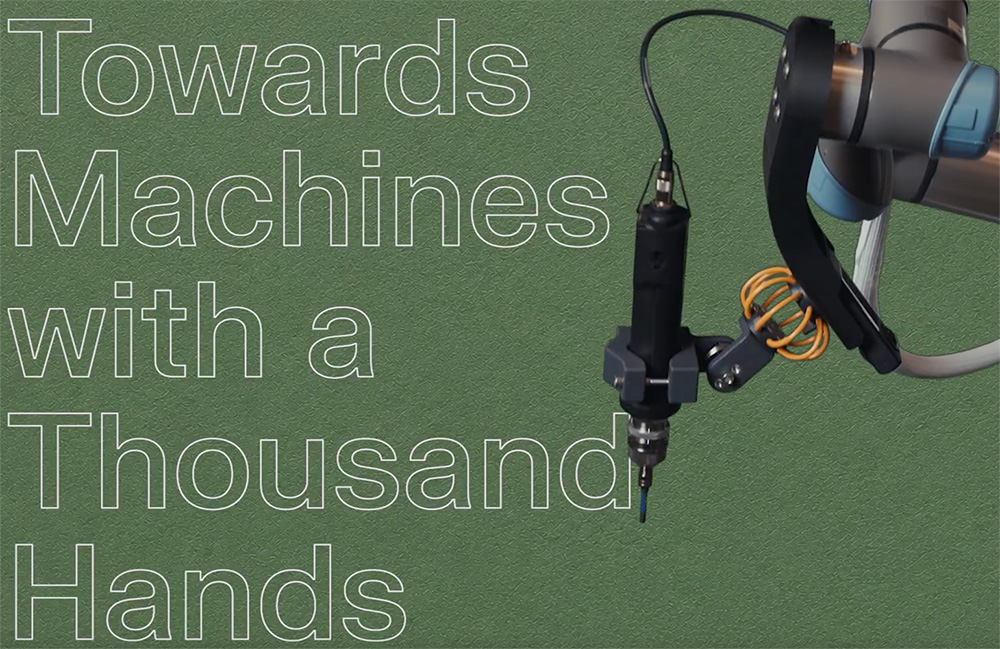
ఒక robotics foundation model అనేక రకాల hands కు వ్యాపించగలదని Generalist చెబుతోంది
Robotics startup Generalist తన GEN-1 embodied foundation model ఇప్పుడు standard grippers దాటి five-fingered hands, specialized tools, మరియు custom actuation setups వరకు విస్తృతమైన robot end effectors కు మద్దతిస్తుందని చెబుతోంది. ఈ ప్రకటన physical AI లోని ఒక ప్రధాన ఆశయాన్ని సూచిస్తుంది: ప్రపంచంతో పరస్పర చర్యలో అనేక మార్గాల్లో generalize చేయగల ఒక base model ను నిర్మించడం, ప్రతి manipulation interface ను మొదటి నుంచే నేర్చుకోకుండా.
The Robot Report ప్రకారం, Generalist GEN-1 ను అలా pretrained చేసింది: ఒక underlying model తీవ్రంగా భిన్నమైన embodiments మధ్య transfer అయ్యే sensorimotor policies నేర్చుకోగలుగుతుంది. ప్రాక్టికల్గా దీని అర్థం, కంపెనీ ఒక నిర్దిష్ట gripper ను ఎలా ఉపయోగించాలో మాత్రమే కాదు, robot యొక్క “hand” మారినప్పుడు కూడా ఉపయోగపడే reusable physical understanding ను నిర్మించాలనుకుంటోంది.
ఈ భావన language మరియు image systems లో large foundation models చేసే పాత్రను గుర్తు చేస్తుంది; broad pretraining ఉద్దేశం తరువాత specialized చేయగల adaptable capabilities ను ఉత్పత్తి చేయడం. కానీ robotics లో సమస్య ఇంకా క్లిష్టం. hardware చాలా భిన్నంగా ఉంటుంది, sensor positions మారుతాయి, actuation methods మారుతాయి, మరియు తప్పిదం యొక్క physical consequences వెంటనే కనిపిస్తాయి. అనేక tool మరియు hand configurations across data scale చేయడం ఈ fragmentation ను కొంతవరకు అధిగమించడంలో సహాయపడుతుందని Generalist వాదిస్తోంది.
కంపెనీ వాదన data scale మరియు embodiment diversity మీద ఆధారపడింది
GEN-1 ను ఒక in-house robotics dataset పై pretrained చేశామని Generalist చెబుతోంది, ఆ dataset 5 లక్షల గంటలకు పైగా real interaction data ను కలిగి ఉంది. అదేవిధంగా ఆ dataset ఇప్పుడు off-the-shelf tools, printed parts, two-finger grippers కు custom modifications, మరియు commercial use cases ప్రేరణతో వచ్చిన form factors ను కలుపుకొని విస్తృతమైన end effectors ను కవర్ చేస్తోంది. మొత్తం దాదాపు 9,000 variations ను సంస్థ పేర్కొంది.
ఈ విస్తృతి కంపెనీ pitch యొక్క కేంద్ర భాగం. ఒక hand design కు model ను optimize చేయడం కంటే, Generalist వివిధ end effectors ను ఒకే physical world కు వేర్వేరు interfaces గా చూస్తోంది. five-fingered hand, tape dispenser, spatula, లేదా screwdriver వేర్వేరు control problems ను సృష్టించవచ్చు; కానీ ఇవన్నీ model ను geometry, force, friction, contact, మరియు motion constraints కు పరిచయం చేస్తాయి. ఈ interfaces ఎంతగా వైవిధ్యంగా ఉంటాయో, model యొక్క underlying “physical commonsense” అంత బలపడుతుందని కంపెనీ నమ్ముతోంది.
అంటే ప్రతి tool ను నియంత్రించడం సమానంగా సులభమవుతుంది అన్న మాట కాదు. The Robot Report లో చెప్పిన ఉదాహరణలలో ప్రతి device కు తనదైన action vocabulary ఉంది. Tongs compliance మరియు spring dynamics ను తీసుకువస్తాయి. Scrapers మరియు spatulas object ను grasp చేయడం నుంచి surface మీద distributed contact ను manage చేయడానికి సమస్యను మార్చుతాయి. Tape dispenser model ను tension మరియు placement ను సమన్వయం చేయమంటుంది. Box cutter లేదా peeler controlled force ను constrained path వెంట ఉపయోగించాల్సిన అవసరాన్ని జోడిస్తాయి. ఇవి hardware లో cosmetic మార్పులు మాత్రమే కావు; task నిర్మాణాన్నే మార్చేస్తాయి.
Generalist సిద్ధాంతం ప్రకారం, ఇలాంటి అనేక interfaces across learning చేయడం model కు general physical principles మరియు tool-specific details మధ్య తేడాను గుర్తించడంలో సహాయపడుతుంది. ఇది అమల్లో నిజమైతే, embodiments మధ్య transfer historically కష్టమైన మరియు ఖరీదైన robotics రంగానికి ఇది ఒక ముఖ్యమైన ముందడుగు అవుతుంది.
End effector flexibility ఎందుకు ముఖ్యమైంది
ఈ ప్రకటన ప్రాధాన్యం అకడమిక్ మాత్రమే కాదు. Commercial robotics లో robot కు అనుసంధానించే hand లేదా tool అది ఏ పనులు చేయగలదో చాలాసార్లు నిర్ణయిస్తుంది. Warehousing, light manufacturing, lab automation, food handling, surface finishing, మరియు service tasks అన్నీ భిన్నమైన physical demands ను విధిస్తాయి. ఒక model ఒక narrow type gripper తో మాత్రమే బాగా పనిచేస్తే, hardware మారిన ప్రతిసారి deployment flexibility తగ్గిపోతుంది, integration costs పెరుగుతాయి.
దానికి విరుద్ధంగా, end effectors across adapt చేయగల base model development cycles ను సరళీకరించగలదు. ఇది ప్రతి tool కోసం వేర్వేరు control stack నిర్మించాల్సిన అవసరాన్ని తగ్గించగలదు, కొత్త task domains లో robots ను పరీక్షించడం సులభతరం చేయగలదు, మరియు ఒక manipulation setup నుండి మరొకదానికి మారేటప్పుడు data burden ను తగ్గించగలదు. ఈ దిశలో భాగస్వామ్య పురోగతికూడా విలువైనదే, ఎందుకంటే robotics లో దీర్ఘకాల bottleneck ఒకటే: systems ను అవి training పొందిన exact conditions బయట వాడినప్పుడు capabilities తరచూ brittle గా ఉంటాయి.
Generalist framing AI robotics లో pretraining at scale వైపు జరుగుతున్న విస్తృత మార్పును కూడా ప్రతిబింబిస్తుంది. ప్రతి behavior ను చేతితో engineer చేయడం లేదా narrowly bounded policies ను train చేయడం కంటే, కంపెనీలు పెద్ద, విభిన్న real-world datasets మరింత reusable representations ను తయారు చేస్తాయని బెట్టింగ్ చేస్తున్నాయి. సవాలు, సహజంగానే, ఆ representations demo environment నుండి బయటికి వచ్చి నిజమైన operational variance ను ఎదుర్కొన్నప్పుడు నమ్మదగిన performance ఇవ్వగలవా అనేదాన్ని నిరూపించడం.
ఏది స్థిరపడింది, ఏది కంపెనీ దావా మాత్రమే
లభ్యమైన source material కొన్ని concrete points ను మద్దతిస్తుంది: GEN-1 ఇప్పుడు విస్తృత end effectors ను మద్దతిస్తుందని Generalist చెబుతోంది; దీని training data 5 లక్షల గంటలకు పైగా real interaction data ను దాటిందని చెబుతోంది; మరియు model ను దాదాపు 9,000 end-effector variations కు పరిచయం చేశామని పేర్కొంటోంది. ఈ వైవిధ్యం వేర్వేరు tools మరియు embodiments across transferable sensorimotor representations ను నిర్మించడంలో సహాయపడుతుందని కూడా కంపెనీ వాదిస్తోంది.
source స్వతంత్రంగా స్థాపించని విషయం ఏమిటంటే, పోటీదారులతో పోలిస్తే ఈ transfer ఎంత బాగా పనిచేస్తుంది, కొత్త hardware కోసం ఎంత fine-tuning ఇంకా అవసరం, లేదా production deployment reliability demands కింద ఈ విధానం నిలబడుతుందా అనే విషయాలు. comparative benchmark study కంటే company-shared examples ద్వారా వచ్చే ఏ robotics foundation-model claim-కైనా ఇవి ముఖ్యమైన ప్రశ్నలు.
అయినా, ఈ update ప్రాముఖ్యమైనది, ఎందుకంటే ఇది రంగంలోని అత్యంత కఠినమైన practical problems లో ఒకదాన్ని లక్ష్యంగా పెట్టింది. robot learning ఒకే manipulator design కు గట్టిగా కట్టుబడి ఉంటే, ఉపయోగకరమైన automation ను scale చేయడం ఖరీదైనదిగా మరియు నెమ్మదిగా మిగులుతుంది. ఒక shared model అనేక embodiments across competence ను నిలుపుకోగలిగితే, robotics systems మరింత సులభంగా పునర్వినియోగపరచగలవు, మరియు వివిధ industries లో ఆర్థికపరంగా మరింత viable అవుతాయి.
మరింత general physical intelligence వైపు ఒక అడుగు
ప్రతి కొత్త hand model కు అదే ప్రపంచాన్ని అర్థం చేసుకోవడానికి ఇంకొక మార్గం నేర్పుతుందని Generalist ప్రాథమికంగా వాదిస్తోంది. ఇది ambitious framing అయినా, advanced robotics ఏ దిశగా వెళ్తుందో బాగా పట్టుకుంది: single-task controllers నుండి దూరంగా, hardware variation ను తట్టుకుని నిలబడగల broader physical intelligence వైపు.
GEN-1 ఒక landmark platform అవుతుందా లేదా అనే విషయం ఈ ప్రకటనకు మించిన ఫలితాలపై ఆధారపడి ఉంటుంది. అయినప్పటికీ, కంపెనీ తాజా update ఒక ముఖ్యమైన competitive frontier ను హైలైట్ చేస్తోంది. embodied AI లో తదుపరి leap పెద్ద models నుంచి మాత్రమే కాక, నిజమైన tools, నిజమైన contact, మరియు నిజమైన work యొక్క messy diversity లో తాము నేర్చుకున్నదాన్ని తీసుకెళ్లగల models నుంచీ రావచ్చు.
ఈ వ్యాసం The Robot Report నివేదిక ఆధారంగా ఉంది. మూల వ్యాసాన్ని చదవండి.
Originally published on therobotreport.com