SpaceX-இன் அடுத்த Falcon 9 ஏவுதல் இப்போது கூடுதல் சந்தைச் சின்னார்த்தத்தைக் கொண்டுள்ளது
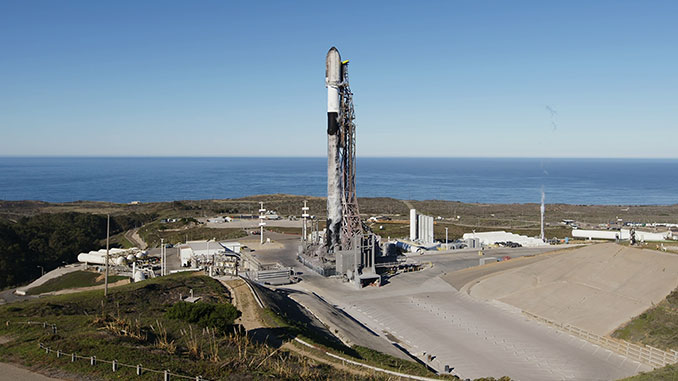
Nasdaq-இல் தனது பொது வர்த்தக அறிமுகத்தைச் செய்ததிலிருந்து SpaceX தனது முதல் Falcon 9 பணியை ஏவத் தயாராகி வருகிறது; இதனால் ஏற்கெனவே பரிச்சயமான Starlink பணிநியமனத்திற்கு சந்தை கவனத்தின் ஒரு அடுக்கு கூடுகிறது. வழங்கப்பட்ட மூலத்தின்படி, Starlink 17-54 பணி திங்கட்கிழமை காலை 7 மணிக்கு PDT நேரத்தில் தொடங்கும் ஏவல் சாளரத்தில், Vandenberg Space Force Base-இல் உள்ள Space Launch Complex 4 East-இலிருந்து புறப்படத் திட்டமிடப்பட்டுள்ளது.
இந்த பணி 24 பிராட்பேண்ட் செயற்கைக்கோள்களை குறைந்த புவிவட்டப் பாதைக்குக் கொண்டு செல்லும்; இது தனது Starlink வலையமைப்பை விரிவுபடுத்த SpaceX மேற்கொண்டு வரும் உயர்-அதிர்வெண் முயற்சியைத் தொடர்கிறது. இந்த தொகுப்பில் 2026-இல் இதுவரை ஏவப்பட்ட 1,500வது Starlink செயற்கைக்கோளும் அடங்கியுள்ளது எனக் கட்டுரை குறிப்பிடுகிறது; இது SpaceX-இன் ஏவும்-நிறுவும் நடைமுறை எவ்வளவு தொழில்மயமாகியுள்ளது என்பதை எடுத்துக்காட்டும் ஒரு குறியீடு. நிறுவனத்தின் சொந்த தரநிலைகளின்படி கூட, அந்த அளவிலான பணிநிறைவேற்றம் மிகச் சில விண்வெளி இயக்குநர்களால் மட்டுமே போட்டியிடக்கூடிய செயல்பாட்டு அளவை பிரதிபலிக்கிறது.
ஆனால் இந்த ஏவுதலை இன்னொரு வழக்கமான விண்மீன் குழும விரிவாக்கத்தைக் காட்டிலும் மேலே உயர்த்துவது அதன் நேரமிடலே. வெள்ளிக்கிழமை Nasdaq அறிமுகத்திற்குப் பிறகு, அடுத்த Falcon 9 பறப்பு SpaceX ஒரே நேரத்தில் சந்தைச் செய்தியும் ஏவல் இயந்திரமும் என்பதைக் கூறும் கதைக்கான ஆரம்ப செயல்பாட்டு சோதனையாகிறது. முதலீட்டாளர்கள் லாபவிகிதம், வளர்ச்சி, பொது மதிப்பீடு ஆகியவற்றைப் பற்றி கவலைப்படலாம்; ஆனால் நிறுவனத்தின் நம்பகத்தன்மை இன்னும் செயல்பாட்டில்தான் அடிப்படையைக் கொண்டுள்ளது. ராக்கெட்டுகள் பறக்க வேண்டும், மீள்பயன்பாட்டு பூஸ்டர்கள் தரையிறங்க வேண்டும், செயற்கைக்கோள்கள் திட்டமிட்டபடி புவிவட்டப் பாதையை அடைய வேண்டும்.
ยุத்தி முக்கியத்துவம் கொண்ட ஒரு வழக்கமான பணி
காகிதத்தில், பணியின் சுயவிவரம் நேர்த்தியானது. மேடையை விட்டு புறப்பட்ட பிறகு ராக்கெட் தெற்கு-தென்மேற்குத் திசை நோக்கிச் செல்லும். இந்த பறப்புக்கு ஒதுக்கப்பட்ட முதல் கட்ட பூஸ்டர் B1093; இது அதன் 14வது பணி என மூலத்தில் கூறப்பட்டுள்ளது. அதன் முந்தைய பணிகளில் Transporter-14, SDA T1TL-B, SDA T1TL-C, மற்றும் Starlink செயற்கைக்கோள்களின் பத்து தொகுதிகள் அடங்குகின்றன.
அந்த மீள்பயன்பாட்டு பதிவு ஒரு பொறியியல் விவரத்தை விட அதிகம். இது முதலில் SpaceX-ஐ மாற்றத்திற்குள்ளாக்கிய செயல்பாட்டு மாதிரியைப் பிரதிபலிக்கிறது. ஏற்கெனவே நிரூபிக்கப்பட்ட பூஸ்டரின் ஒவ்வொரு கூடுதல் பறப்பும் ஏவுதல் மீளமுடியும், மீட்கக்கூடியது, வணிக ரீதியாகப் பரவலாக்கக்கூடியது என்ற நிறுவனத்தின் வாதத்தை மேலும் உறுதிப்படுத்துகிறது. 14வது பறப்பு இப்போது ஒரு இயல்பான புள்ளிவிவரமாகவே கருதப்படுகிறது; இதுவே மீள்பயன்பாட்டு புவிவட்ட ஏவுதல் புதுமையிலிருந்து வழக்கமான நடைமுறைக்கு எவ்வளவு தூரம் வந்துள்ளது என்பதற்கான சாட்சியாகும்.
புறப்பட்டு சுமார் எட்டு நிமிடங்களுக்குப் பிறகு, B1093 பசிபிக்கில் உள்ள droneship Of Course I Still Love You-இல் தரையிறங்கும் என எதிர்பார்க்கப்படுகிறது. அது வெற்றியடைந்தால், அந்த கப்பலில் நிகழும் 203வது தரையிறக்கம் மற்றும் மொத்தமாக SpaceX-க்கு 624வது பூஸ்டர் தரையிறக்கம் ஆகும் என்று மூலத்தில் கூறப்பட்டுள்ளது. இந்த எண்ணிக்கைகள் மீட்பு நிறுவனத்தின் அடையாளத்திலிருந்து பிரிக்க முடியாத ஒன்றாக மாறிவிட்டதை வெளிப்படுத்துகின்றன. பொதுமக்கள் இன்னும் அந்த நாடகத்தன்மை கொண்ட காணொளிக் காட்சிகளைப் பார்க்கலாம்; ஆனால் செயல்பாட்டில், தரையிறக்கம் இப்போது ஒரு உற்பத்தி அமைப்பின் பகுதியாகவே உள்ளது.

Starlink இன்னும் அதிர்வெண் இயந்திரமாக உள்ளது
SpaceX பலவகை பணிகளைச் செய்தாலும், அதன் ஏவல் வேகத்தின் பெரும்பகுதியை இன்னமும் Starlink தான் இயக்குகிறது. ஒவ்வொரு செயற்கைக்கோள் தொகுப்பும் குறைந்த புவிவட்டப் பாதையிலிருந்து பிராட்பேண்ட் சேவை வழங்கும் நோக்கத்துடன் உள்ள விண்மீன் குழுமத்தில் மேலும் ஒரு வளர்ச்சிப் படியாகும்; மேலும் அடிக்கடி நடைபெறும் பணிகளை சாதாரணமென உணரச் செய்யும் வேகத்தில் ஏவத் தயாராக இருப்பதை நிறுவனம் காட்டியுள்ளது.
2026-இல் ஏவப்பட்ட 1,500வது Starlink செயற்கைக்கோளைச் சுட்டும் மூலக் குறிப்பே குறிப்பாக முக்கியமானது; ஏனெனில் அது வாழ்நாள் மொத்த எண்ணிக்கையைக் கடந்தும் ஆண்டிற்கான உற்பத்தித் திறனைச் சுட்டுகிறது. இது நிறுவனம் பெரிய விண்மீன் குழுமத்தைப் பராமரிப்பதோடு மட்டுமல்ல, அதைப் புதுப்பித்து விரிவாக்குவதையும் மூலோபாய விளைவுகளைக் கொண்ட வேகத்தில் செய்கிறது என்பதைக் குறிக்கிறது. ஏவல் அதிர்வெண் வலையமைப்பு உறுதிய்மை, திறன் திட்டமிடல், மற்றும் செயற்கைக்கோள் தொடர்பு துறையில் போட்டி நிலைப்பாடு ஆகியவற்றை பாதிக்கிறது.
போட்டியாளர்களுக்கு அந்த வேகம் அச்சுறுத்துவதாகும். ஒழுங்குபடுத்துநர்கள் மற்றும் கொள்கையமைப்பாளர்களுக்கு, அது ககனக் கூட்ட நெரிசல், அலைவரிசை பயன்பாடு, மற்றும் மெகா-கூட்டங்களின் நிர்வாகம் குறித்த கேள்விகளின் மீது கவனத்தை நிலைநிறுத்துகிறது. ஆனால் வாடிக்கையாளர்களுக்குப் பார்ப்பதில், நடைமுறை அர்த்தம் எளிமையானது: Starlink-ன் பரவல்திறனைத் தாங்கும் பணிநிறைவேற்ற மாதிரியை SpaceX இன்னும் செயல்படுத்திக் கொண்டிருக்கிறது.
பொது சந்தைகள் செயல்பாட்டைக் கவனிக்கும்
பொது பட்டியலிடல் தொடர்பான அம்சம் முக்கியமானது, ஏனெனில் பொது-சந்தை கதைகள் அருகிலான கால நிகழ்வுகளின் முக்கியத்துவத்தை பெருக்கக்கூடும். Nasdaq-இல் இப்போது தான் அறிமுகமான ஒரு நிறுவனம் திட்டமிட்டபடி வழங்கும் திறன் குறித்து இயல்பாகவே அதிகமான கண்காணிப்பை எதிர்கொள்ளும். SpaceX-இன் விஷயத்தில், ஏவல் செயல்பாடு துணை அளவுகோல் அல்ல. அது மையமானது.
அதனால் ஒரு தனிப் பணி மட்டுமே அறிமுகத்திற்குப் பிந்தைய கதையை நிர்ணயிக்கும் என்பதில்லை. SpaceX-இன் செயல்பாட்டு வரலாறு ஏற்கெனவே பெரிதும் விரிந்துள்ளது, மேலும் Falcon 9 புவிவட்ட ஏவுதலில் மிகவும் நிறுவப்பட்ட வாகனங்களில் ஒன்றாகும். ஆனால் ஒரு முக்கிய நிதி மைல்கல்லுக்குப் பிறகான முதல் நிகழ்வுகள் பெரும்பாலும் சின்னார்த்தச் செழுமையைப் பெறும். ஒரு மென்மையான ஏவல் மற்றும் தரையிறக்கம் தொடர்ச்சியைக் உறுதிப்படுத்தும்: பொது பட்டியலிடல் இருந்தாலும் இல்லாவிட்டாலும், நிறுவனம் தொழில்மயமான வேகத்தில் தொடர்ந்து இயங்குகிறது.
கோட்பாட்டிலாவது எதிர்மாறும் உண்மையே. எந்த தாமதம், அசாதாரணம், அல்லது தவறிய மீட்பு முயற்சியும், இந்த நேரமிடலால் மட்டும், வழக்கத்தைவிட அதிக கவனத்தை ஈர்க்கக் கூடும். அது தான் பொது வெளிப்பாட்டின் சுமை. ஒரு நிறுவனம் பொறியியல் நிறுவனமாக மட்டுமல்ல, சந்தைச் செயற்பாடாகவும் மாறியவுடன், வழக்கமான செயல்பாடுகளே பெரிதாக்கப்பட்ட விளக்கப் பாரத்தை ஏற்கின்றன.

ஏவுதல் இன்னும் பழைய முறையில்தான் மதிப்பிடப்படும்
சந்தைச் சின்னார்த்தம் அனைத்தையும் பொருட்படுத்தாமல், வெற்றிக்கான உண்மை அளவுகோல்கள் எப்போதும் போலவே இருந்து வருகின்றன. Falcon 9 தனது சாளரத்திற்குள் புறப்பட வேண்டும், தனது 24 செயற்கைக்கோள்களையும் நிறுவ வேண்டும், சூழ்நிலை அனுமதித்தால் பூஸ்டரை பாதுகாப்பாகத் திருப்பி மீட்க வேண்டும். SpaceX-இன் நற்பெயரை எந்த Nasdaq அறிமுகத்துக்கும் முன்பே கட்டியெழுப்பிய அடிப்படைகள் இவையே.
அந்த அர்த்தத்தில், இந்த பணி விண்வெளி வணிகத்தின் அடிப்படையான ஒன்றை நினைவூட்டுகிறது. மதிப்பீட்டு கதைகள் வேகமாக மாறக்கூடும், ஆனால் ஏவல் நம்பகத்தன்மை தொடர்ந்து சம்பாதிக்கப்பட வேண்டியது. Starlink 17-54 வெறும் அட்டவணையில் உள்ள இன்னொரு பணிநியமனமாக இருக்கலாம்; ஆனால் அதன் காலண்டர் இடம், பொதுக் காட்சியில் SpaceX-இன் அடுத்த அத்தியாயத்தின் முதல் செயல்பாட்டு சான்றாக இதை மாற்றுகிறது.
இந்தக் கட்டுரை Spaceflight Now-இன் செய்திப் பதிவின் அடிப்படையில் தயாரிக்கப்பட்டது. மூலக் கட்டுரையைப் படிக்கவும்.
Originally published on spaceflightnow.com