ராக்கெட் ஏவுவதற்கு முன்பு சந்திர பயணத்தை சிமுலேட் செய்தல்
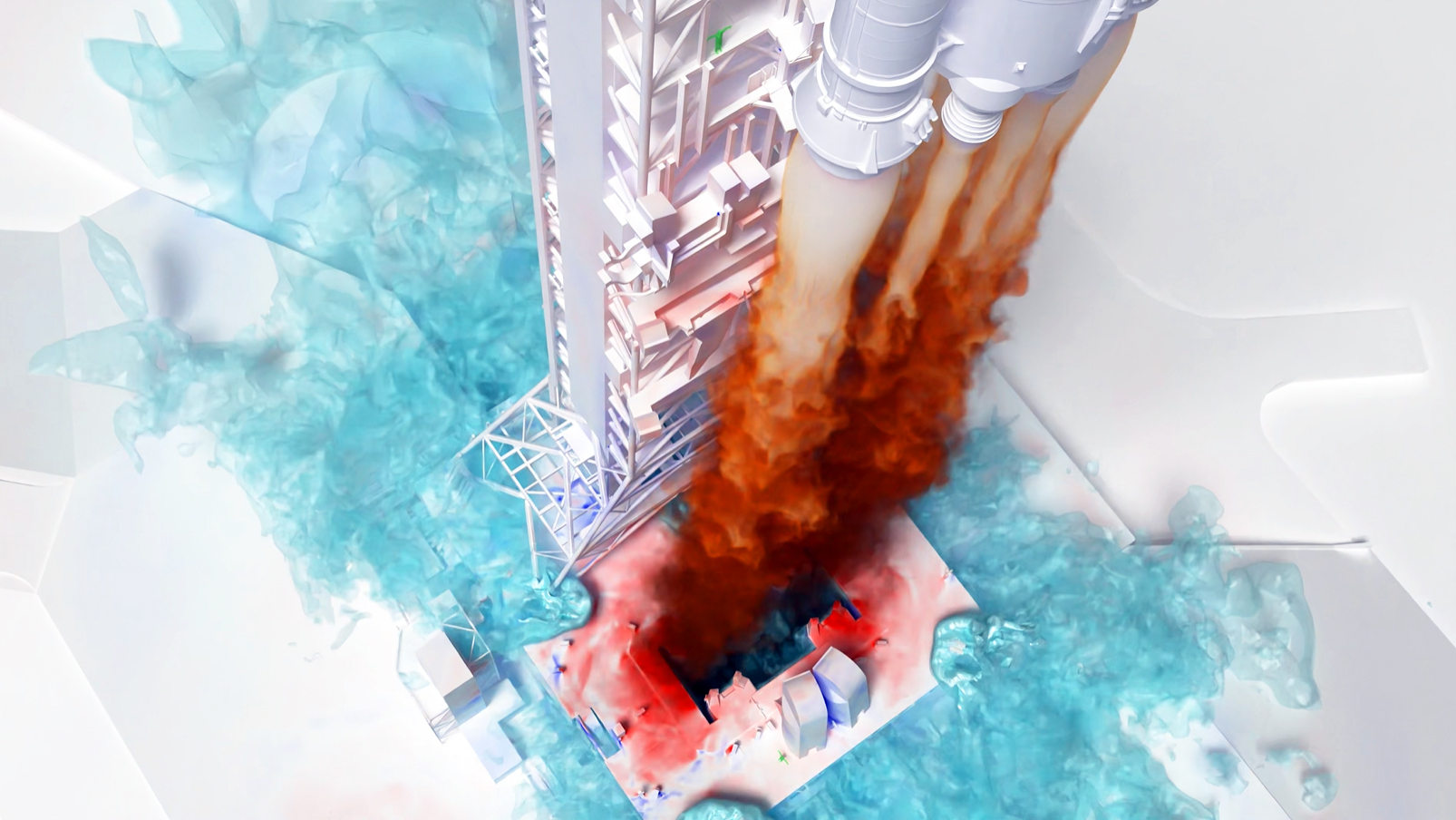
NASA தன்னுடைய Launch, Ascent, and Vehicle Aerodynamics (LAVA) கணக்கீட்டு கাঠமைப்பு Artemis II ஏவுதல் சூழ்நிலையைத் தெரிந்துகொள்வதில் ஒரு முக்கிய பாத்திரம் எவ்வாறு வகித்தது என்பதை விவரித்துள்ளது — முகமையின் முதல் மனித நிர்வহிக்கப்பட்ட Artemis பயணம், இது நான்கு விண்வெளி வீரர்களை சந்திரனின் சுற்றளவில் அனுப்பும். 2022 இல் மனிதரைக் கொண்டிராத Artemis I ஏவுதல் மூலம் சேகரிக்கப்பட்ட தகவலைப் பயன்படுத்தி, NASA இன் Ames Research Center ஆக்க ஆய்வாளர்கள் சிமுலேशன்களை இயக்கினர் Space Launch System ராக்கெட்டின் வெளியேற்றப் பொந்தணிகள் மற்றும் ஏவுதளப் நீர் ஒலி அடக்கு கட்டமைப்பிற்கிடையிலான முந்தைய தெரிந்துகொள்ளாத உடன்செயல்பாடுகளை பாதிக்க வெளிப்படுத்துகிறது.
சிமுலேशன்கள் ஒரு எதிர்பாராத விளைவை அறிவுறுத்தியது: ஒலி அடக்கு கட்டமைப்புக்கு நீர் ஒலி அழுத்த அலைகளை திறம்படக் குறைக்கிறது, இது வாகனத்தை சேதம் விளைவிக்கக் கூடிய விளைவுகளைக் குறைக்கிறது, ராக்கெட் வெளியேற்றம் வாயு நீர் தோட்டங்களைத் திசைத்திருப்ப முடியும், இது மொபைல் ஏவுமேடை தளத்தின் குறிப்பிட்ட பிரதேசங்களில் கணிசமான அழுத்த அதிகரிப்பை உত்பாதிப்பது. தலையீடு இல்லாமல், இந்த அழுத்த விளிம்புகள் ஏவுதளப் பகுதிகளின் கட்டமைப்பு சகிப்புத்தன்மை அதிகரிப்பிற்கு வெற்றிகரம் கூடும்.
LAVA எப்படி வேலை செய்கிறது
LAVA கட்டமைப்பு கணக்கீட்டு திரவ இயக்கவிஞ்ஞாரம் பற்றி கூறுகிறது — வாயு மற்றும் திரவங்களின் நடத்தை பற்றிய கணிதத் திட்டமுறை. ஒரு ராக்கெட் ஏவுதலில், தொடர்புடைய இயற்பியல் অসாதாரணமாக சிக்கலானது: மூளைவெறி வெளியேற்றம் வாயு 3,000 டிகிரி செல்சியசுக்கு மேல் வெப்பநிலায் ஆச்சேதிப்பொறிகளிலிருந்து மேல் வரும், உலோக்குமாননாய் மற்றும் ஏவுதளப் நீர் வெளிவரும் கட்டமைப்புடன் பழக்கம் கொள்ளும், ஒலி வேகத்தில் பரவும் அழுத்த அலைகளை உத்பாதிப்பும், குறைவாக ஆட்டங்களை தூண்டும் இது சரியாகச் சிமுலேट் செய்ய பிரத்யேக வழிமுறைகளை அவசியமாக்குகிறது.
ஒலி அடக்கு கட்டமைப்பு செயல்பாட்டாய் இயங்குதல் மற்றும் செயல்படாமையில் இயங்குதல் சிமுலேशன்களிலிருந்து ஒப்பீடு செய்தல் ஆய்வாளர்களை அதன் விளைவுகளை சரியாகப் பிரிந்துகொள்ள அனுமதித்ததாக. நீர் வாகனத்தில் அமைப்பு ஒலி பரிமாணத்தை கணிசமாகக் குறைக்கிறது, ஆனால் வெளியேற்றம்-நீர் உடன்செயல்பாட்டிலிருந்து அழுத்த மறுநிர்ணயம் மொபைல் ஏவுமேடையில் குறிப்பிட்ட உடன்பாடுகளை அறிவுறுத்தியது இந்த இடங்களில் கூட்டாட்சி அல்லது வடிவமைப்பு திருத்தம் தேவையாக இருக்கலாம்.
சிமுலேশன் மூலம் வன்பொருள் திருத்தம் வரை
LAVA சிமுலेशன்களிலிருந்து பெறப்பட்ட அந்தர்ज्ञान கல்வியாய் மட்டுமல்ல. Kennedy Space Center பொறியியலாளர்கள் LAVA சிமுலेशன் பலனைப் பயன்படுத்தி Artemis II மொபைல் ஏவுமேடை தளத்தின் நிர்দिட்ட பகுதிகளை அறிவுறுத்தப்பட்ட அழுத்த அதிகரிப்பை கணக்கீட்ட மூலம் மீண்டும் வடிவமைத்துள்ளனர். இது கணக்கீட்டு மாதிரியிலிருந்து உண்மையான வன்பொருள் திருத்தத்திற்கு நேரடி மொழிபெயர்ப்பு குறிப்பிடுவதாய் சொல்லலாம், இது மனிதஇயல்பு பயணத்தை மேலாக பாதுகாப்பாக்கும்.
இந்த செயல்முறை NASA வெறுமனமாக அனுசரணீய சோதனையை சார்புகாமல் சிமुলेशन திறனைக் கடைப்பிடித்து முதுக பெறும் முதுகளை விளக்குகிறது. ராக்கெட் ஏவுதலின் உண்மையான சோதனை மிகவும் விஷமயுக்தமாய் இருக்கிறது மற்றும் எக்கொண்டை ஒரு ஆயுதமாக பயன்படுத்த முடியும் என்பதில் குறைக்கப்பட்டுள்ளது; கணக்கீட்டு சிमुलेशन ஆய்வாளர்களை ஆயிரங்களைப் பல் எண் மாறிமாறுமை ஆராய்ந்து, விளிம்புச் செயல்பாடுகளை அறிந்து, மற்றும் உண்மையான சோதனைகள் செய்ய முடியாத காரணங்களையே இயங்கக் கூடுமை அனுமதிக்கிறது.
விமான ஆய்வு சমூகத்திற்கு பிறப்பு
NASA வரக்கூடிய வாரங்களில் LAVA விரிவான விமான ஆய்வு சமூகத்திற்கு பிறப்புறுத்த திட்டமிடுவதாக உள்ளது, அதன் உபயோகத்தை NASA இன் ஆஸ்தி கூட்டமைப்பிலிருந்து நிறுவன ஏவுதல் கொடிகளுக்கு, விமான உற்பத்திக்கு, மற்றும் ஆய்வு ஆய்வாளர்களுக்குப் பரிணாம செய்யும்போது. இந்த கருவி NASA இன் Advanced Supercomputing வசதி ஆகிய இருக்கை மாத்திரை பொதுவாக வெளிப்படுத்தப்பட்டுள்ளதாய் உள்ளது.
சমபരிமாண சிมुलेशन கட்டமைப்பு உள்ளூரில் விளங்க கொணியையும் தாங்களுக்காக சொத்தற்ற நிறுவன ஏவுதல் பொருட்டின்களுக்கு, LAVA பெற விஷயத்திற்குப் ஏற்றத்தாக ஒரு பெரிய திறன் மேம்பாட்டைக் சூచிப்பிக்கிறது. இந்த கருவி அதிக நம்பிக்கை சாலை சோதனைக் கணிப்பை திறம் செய்யல் மூலம் தரவரும் தலைமுறை ஏவுதல் வாகனத்திற்கு உயிர்களை ত்বரணம் செய்ய முடியும் மற்றும் விஷமய உண்மையான சோதனை முயன்றல் அதிர்வெண்ணைக் குறையுமாவாக்க முடியும்.
இந்தக் கட்டுரை NASA இன் தகவல் மூலம் அடிப்படையாக உள்ளது. குரலோ கட்டுரை வாசை.

Originally published on nasa.gov