அறிவியல் புனைகதை அறிவியல் உண்மையை சந்திக்கும் போது
Artemis II ஏவுதலின் முன்னிரவில், NASA ஒரு அபூர்வமான பண்பாட்டு இணைவைக் காண்கிறது: Apollo 17க்குப் பிறகு குறைந்த புவிவட்டத்துக்கு அப்பால் செல்லும் முதல் மனிதக் குழு பயணத்துக்கான தயாரிப்புகளை அந்த நிறுவனம் ஒரே நேரத்தில் மேற்கொண்டு கொண்டிருக்கிறது, மேலும் சமீப ஆண்டுகளில் மிகவும் எதிர்பார்க்கப்பட்ட அறிவியல் புனைகதைப் படங்களில் ஒன்றுக்கு அறிவியல் ஆலோசகராகவும் செயல்படுகிறது. Andy Weir இன் 2021 நாவலை அடிப்படையாகக் கொண்ட "Project Hail Mary" இந்த வாரம் வெளியாகிறது, மேலும் தயாரிப்பின் முழுவதும் NASA-வின் தடங்கள் தெளிவாகக் காணப்படுகின்றன — அதன் விண்வெளி காட்சிகளின் தொழில்நுட்ப துல்லியத்திலிருந்து, படத்தின் கிரெடிட்களில் நிறுவத்தின் லோகோக்கள் தோன்றுவது வரை.
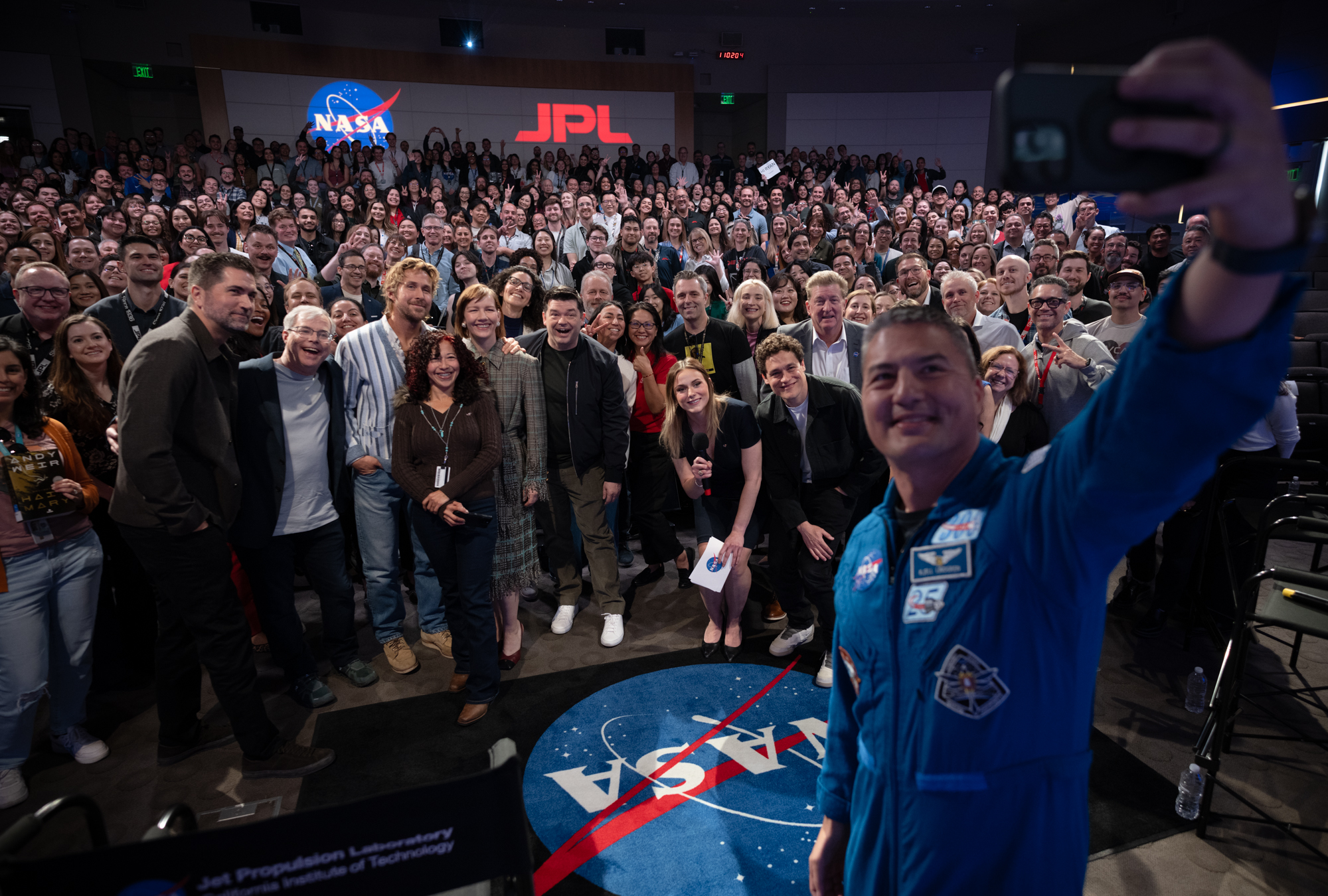
பல ஆண்டுகளாக நடைபெற்ற படப்பிடிப்பு காலம் முழுவதும் NASA-வின் தொடர்பாடல் அலுவலகம் தயாரிப்பிற்கு அநியமமான ஆலோசனைகளை வழங்கியது. உயிரியல் விண்வெளியியல் (astrobiology) மற்றும் விண்மீன் இயற்பியல் (astrophysics) ஆகிய துறைகளில் நிபுணத்துவம் பெற்ற விஞ்ஞானிகள் — படத்தின் கதைக்களத்திற்கு மிக முக்கியமான இரு துறைகள் — சாத்தியமான அப்புற உலக உயிரின செயல்முறைகள், நட்சத்திர இயற்பியல், மற்றும் நீண்டகால விண்வெளிப் பயணத்தின் யதார்த்தங்கள் குறித்து கேள்விகளுக்கு பதிலளித்தனர். விண்வெளி வீரர் Kjell Lindgren, படத்தில் தனிமையாக இருக்கும் ஒரு விண்வெளி வீரரை நடித்த Ryan Gosling உடனான நேரில் ஆலோசனையில் பங்கேற்றார்; எந்த தொழில்நுட்ப ஆலோசகரும் முழுமையாக மாற்ற முடியாத, நேரடி மனநிலைப் பார்வையை அவர் வழங்கினார்.
Artemis II: கற்பனைக்குப் பக்கத்தில் உண்மையை உணர்த்தும் பணி
இந்த காலக்கட்டம் ஒரு அசாதாரணமான பண்பாட்டு தருணத்தை உருவாக்குகிறது. Artemis II பணி நான்கு விண்வெளி வீரர்களை — NASA-வின் Reid Wiseman, Victor Glover, Christina Koch, மற்றும் Canadian Space Agency விண்வெளி வீரர் Jeremy Hansen — சந்திரனின் சுற்று ஒரு free-return பாதையில் அனுப்பும். 1972ஆம் ஆண்டு Eugene Cernan மற்றும் Jack Schmitt சந்திர மேற்பரப்பை விட்டு சென்றதிலிருந்து, அரை நூற்றாண்டுக்கும் மேலாக, மனிதர்கள் முதன்முறையாக குறைந்த புவிவட்டத்திற்கு அப்பால் பயணிப்பது இதுவாகும்.
Artemis II ஒரு தரையிறக்கம் பணி அல்ல — குழு சுற்றிவந்து கவனிக்கும், ஆனால் தரையிறங்காது. ஆனால் அது ஒரு முக்கியமான மைல்கல்லை குறிக்கிறது: Space Launch System, Orion capsule, மற்றும் ஆழ்விண்வெளிப் பயணத்தின் மனிதக் காரணிகள் எதிர்பார்த்தபடி செயல்படுகின்றன என்பதை உறுதிப்படுத்தி, சந்திரனில் தரையிறங்கும் முயற்சிக்காக விண்வெளி வீரர்களை அனுப்புவதற்கு முன் சரிபார்ப்பது. இந்த பணி Artemis திட்டத்தின் சர்வதேச தன்மையையும் காட்டுகிறது; Canada's Hansen குறைந்த புவிவட்டத்துக்கு அப்பால் பயணிக்கும் முதல் அமெரிக்கர் அல்லாதவராகிறார்.
கலையைக் குறித்து அறிவியல், அறிவியலைக் குறித்து கலை
NASA மற்றும் "Project Hail Mary" இடையிலான உறவு இருவழிப்பட்டது. படத்தின் உருவாக்குநர்கள் அறிவியல் சாத்தியத்தன்மையை உறுதிப்படுத்த நிறுவனத்தின் கருத்தை நாடினர்; அதே நேரத்தில் NASA, பொதுமக்களின் விண்வெளி ஆய்வு பற்றிய கற்பனையுடன் தனது உண்மையான பணிகளை இணைக்கும் வகையில், படத்தின் விளம்பர நடவடிக்கைகளில் பங்கேற்கிறது. இந்த அறிவியல்-பொழுதுபோக்கு கூட்டாண்மைக்கு NASA-வில் நீண்ட வரலாறு உள்ளது; "2001: A Space Odyssey" படத்திற்கான தொழில்நுட்ப ஆலோசனையிலிருந்து தொடங்கி, Andy Weir-இன் முந்தைய நாவலான "The Martian"-ஐ பெரிய படமாக மாற்ற உதவிய ஒத்துழைப்பு வரை இது நீள்கிறது.
NASA-க்கு கிடைக்கும் மதிப்பு வணிக சார்ந்தது அல்ல. நிறுவனம் உதவித் தரும் படங்களில் இருந்து லாபம் ஈட்டுவதில்லை. மதிப்பு பொது ஈடுபாட்டில்தான் உள்ளது: "Project Hail Mary"-ஐ பார்த்து, பிரபஞ்சத்தில் வேறு எங்காவது உயிர் இருக்கலாம் என்ற சாத்தியத்தை தீவிரமாக சிந்திக்கும் ஒவ்வொருவரும், NASA செயல்படுத்தி வரும் உண்மை ஆய்வு பணிகளுக்கு ஒரு சாத்தியமான ஆதரவாளராக இருக்கலாம். வருடந்தோறும் காங்கிரஸ் அங்கீகாரம் தேவைப்படும் நிதி சூழலில், பண்பாட்டில் ஈடுபட்ட பொதுமக்கள் ஒரு உண்மையான ஆதாரமாகின்றனர்.
ISS குழுவின் வட்டப்பாதை முன்னோட்டம்
படமும் உண்மையான விண்வெளிப் பயணமும் இடையிலான இணைப்பு வெறும் உவமை மட்டுமல்ல. International Space Station-இல் இருக்கும் Expedition 74 குழு உறுப்பினர்கள் — NASA விண்வெளி வீரர்கள் Chris Williams, Jessica Meir, மற்றும் Jack Hathaway உட்பட — விண்வெளியில் இருக்கும் போது "Project Hail Mary"-யை பார்த்தனர்; இதனால் அவர்கள் படத்தை விண்வெளியில் இருந்து பார்த்த முதல் பார்வையாளர்களாகினர். Artemis II குழு உறுப்பினர்களும் ஏவுதலுக்கு முன் தனிமைப்படுத்தப்பட்ட காலத்தில் இந்தப் படத்தைப் பார்ப்பார்கள் என்று எதிர்பார்க்கப்படுகிறது; அதாவது, அரை நூற்றாண்டில் மனிதர்கள் மேற்கொள்ளும் மிக ஆழமான விண்வெளிப் பயணத்திற்குத் தயாராகும் போதே, ஆழ்விண்வெளி ஆய்வைப் பற்றிய ஒரு கதையை அவர்கள் பார்ப்பார்கள்.
அந்த அடுக்கமைப்பு — தனியாக ஆழ்விண்வெளியில் இருக்கும் ஒரு விண்வெளி வீரரைப் பற்றிய படத்தை ISS குழு பார்ப்பது, சந்திரனுக்குப் புறப்படுவதற்கு முன் Artemis குழு அதைப் பார்ப்பது — NASA-வின் தொடர்பாடல் குழு தெளிவாக உணர்ந்து, அதைப் பயன்படுத்திய ஒரு பண்பாட்டு ஒத்திசைவைக் உருவாக்குகிறது. "Project Hail Mary" மற்றும் Artemis II இணைந்து விண்வெளி ஆய்வுக்கான பொதுமக்களின் உற்சாகத்தை பொருத்தமான அளவில் அதிகரிக்குமா என்பது இன்னும் பார்க்க வேண்டியதுதான். ஆனால் இந்தத் தருணம் சமீப கால நினைவில் அறிவியல் மற்றும் கதைசொல்லல் ஒன்றிணையும் மிக சுவாரசியமான சந்திப்புகளில் ஒன்றைக் குறிக்கிறது — அதே நட்சத்திரங்களை நோக்கிச் சுட்டப்பட்ட இரண்டு வேறுபட்ட கற்பனை வடிவங்கள்.
இந்தக் கட்டுரை NASA வெளியிட்ட செய்தியை அடிப்படையாகக் கொண்டது. மூலக் கட்டுரையைப் படிக்கவும்.

Originally published on nasa.gov