எதிர்பாராத இடங்களில் சூப்பர்கண்டக்டிவிட்டி
சூப்பர்கண்டக்டிவிட்டி — ஒரு பொருள் முற்றிலும் பூஜ்ய எதிர்ப்புடன் மின்சாரத்தை நடத்தும் நிகழ்வு — 1911 ஆம் ஆண்டில் கண்டறியப்பட்டதிலிருந்து இயற்பியலாளர்களை கவர்ந்து வருகிறது. அதன் அறிவியல் வரலாற்றின் பெரும்பகுதியில், சூப்பர்கண்டக்டிவிட்டி குறைந்த வெப்பநிலை நிகழ்வாகவே புரிந்துகொள்ளப்பட்டது: சில பொருட்களை முழு பூஜ்யத்துக்கு அருகில் குளிர்வித்தால், அவற்றின் எலக்ட்ரான்கள் ஒருங்கிணைந்த ஜோடிகளாக அமைந்து, பொருளின் லாட்டிஸ் அமைப்பின் வழியாக சிதறாமல் அல்லது ஆற்றலை இழக்காமல் நகர்கின்றன. இந்த நடத்தையை விளக்கும் கோட்பாட்டு கட்டமைப்பு, அதன் உருவாக்குநர்கள் பார்டீன், கூப்பர், மற்றும் ஷ்ரீஃபர் ஆகியோரின் பெயரைத் தொடர்ந்து BCS கோட்பாடு என அழைக்கப்படுகிறது; அது வழக்கமான சூப்பர்கண்டக்டர்களை விளக்குவதில் அபார வெற்றியைப் பெற்றுள்ளது.
ஆனால் இயற்கை எப்போதும் தனது வசதியான விளக்கங்களுக்குள் மட்டுமே அடங்கிக் கிடப்பதில்லை. ஒரு புதிய ஆய்வு, ஸ்பைனல் கிரிஸ்டல் அமைப்பைக் கொண்ட ஒரு பொருளில் அழுத்தம் தூண்டிய சூப்பர்கண்டக்டிவிட்டியின் கணிசமான உதாரணத்தை பதிவு செய்துள்ளது — இது கனிமங்கள் மற்றும் செயற்கை சேர்மங்களின் பரந்த குடும்பத்தில் காணப்படும் அணுக்கட்டமைப்பு — மற்றும் இது BCS கோட்பாடு நேரடியாக கணிக்காத விதத்தில் நடக்கிறது. இந்தப் பொருளில் சூப்பர்கண்டக்டிவிட்டி வெறும் குளிர்விப்பால் மட்டும் அல்ல, அதிக அழுத்தத்தைப் பயன்படுத்துவதன் மூலம் உருவாகிறது; மேலும் இதில் அசாதாரண மின்னியல் செயல்முறை செயல்படுகிறது என்பதைக் காட்டும் விதத்தில் அது நிகழ்கிறது.
இந்தக் கண்டுபிடிப்பு ஏன் முக்கியம்
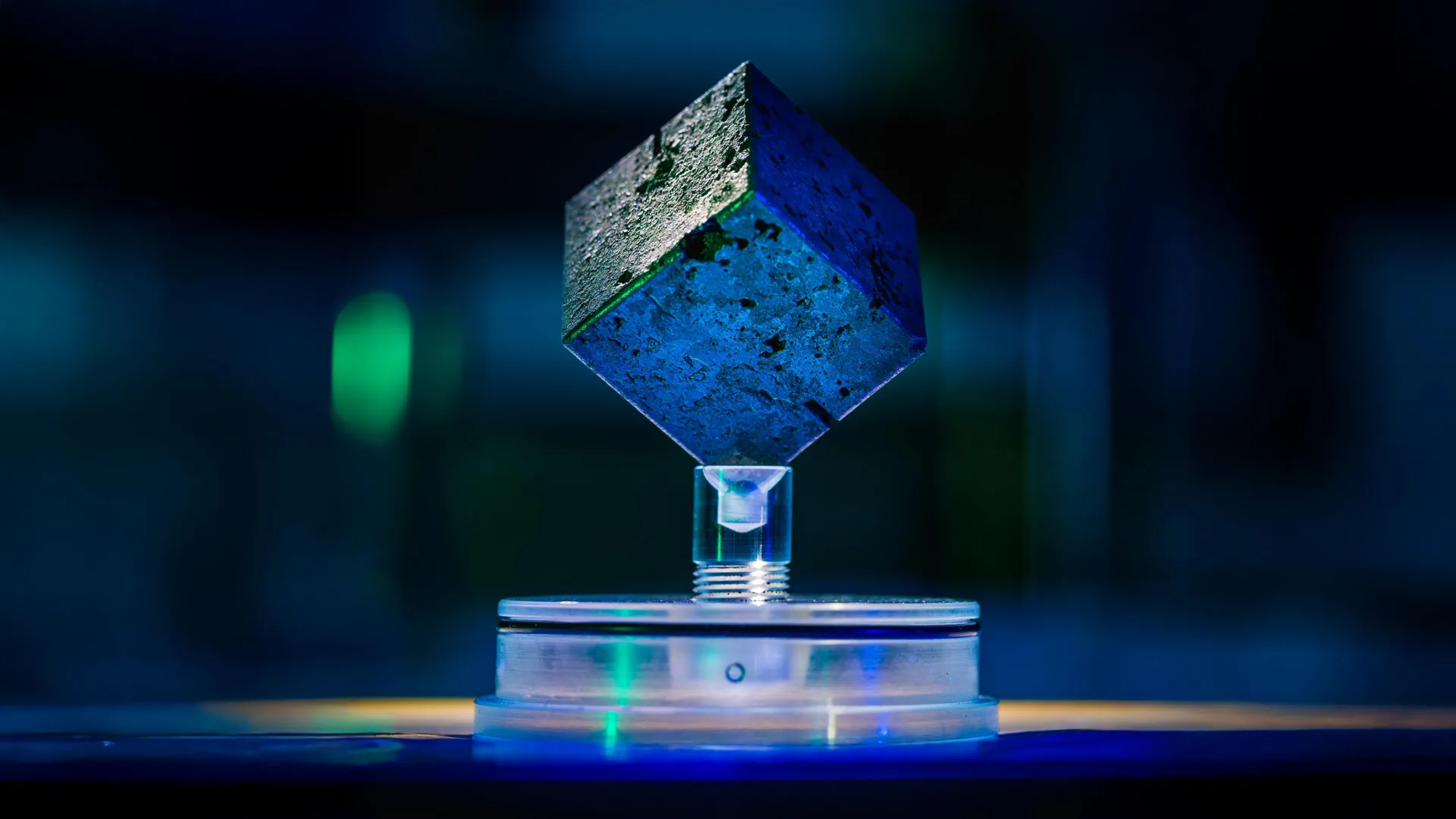
ஸ்பைனல் அமைப்புகள் AB2X4 என்ற பொதுச் சூத்திரம் கொண்ட சேர்மங்களின் ஒரு வகை; இதில் A மற்றும் B உலோக கேஷன்கள், X பொதுவாக ஆக்சிஜன் அல்லது சல்பர். இவை இயற்கையில் பொதுவாகக் காணப்படுகின்றன — ஸ்பைனல் என்ற ரத்தினக் கல் தானும், மேக்னடைட் மற்றும் க்ரோமைட் ஆகியவையும் இந்த குடும்பத்தைச் சேர்ந்தவை — மேலும் அவற்றின் காந்த மற்றும் மின்னியல் பண்புகளுக்காக பரவலாக ஆய்வு செய்யப்படுகின்றன. அழுத்தத்தின் கீழ் ஒரு ஸ்பைனல் சேர்மத்தில் சூப்பர்கண்டக்டிவிட்டி காணப்படுவது, அந்த நிகழ்வின் இருப்பு காரணமாக மட்டுமல்ல, அது வெளிப்படும் குறிப்பிட்ட விதத்தினாலும் குறிப்பிடத்தக்கது.
வழக்கமான அழுத்தம் தூண்டிய சூப்பர்கண்டக்டர்களில், அழுத்தம் பொதுவாக கிரிஸ்டல் லாட்டிஸ் வடிவியலை மாற்றுவதன் மூலம் செயல்படுகிறது — அணுக்களை மேலும் நெருக்கமாக அழுத்தி, கூப்பர் ஜோடிகள் உருவாகும் எலக்ட்ரான்-போனான் இணைப்பை மாற்றுகிறது. ஆராய்ச்சியாளர்கள் இந்த ஸ்பைனல் சேர்மத்தில் கண்டது அந்த கட்டமைப்பில் தெளிவாக பொருந்தவில்லை. அழுத்தம் இன்னும் சிக்கலான மின்னியல் மறுசீரமைப்பைத் தூண்டுகிறது போலத் தெரிகிறது; இதில் ஆர்பிட்டல் சுதந்திர அலகுகள் அல்லது நிலையான BCS கோட்பாடு பிடிக்காத போட்டி காந்த மற்றும் சூப்பர்கண்டக்டிங் ஒழுங்கு அளவுருக்கள் இருக்கலாம்.
இந்த வகையான அசாதாரண சூப்பர்கண்டக்டிவிட்டி, உயர்ந்த வெப்பநிலை சூப்பர்கண்டக்டிவிட்டியின் இன்னும் தீராத மர்மத்திற்கு தடயங்களை வழங்கக்கூடும் என்பதால், தீவிரமான ஆராய்ச்சி ஆர்வத்தின் பொருளாக உள்ளது. சில பொருட்கள் மிகுந்த குளிர்ச்சி தேவையில்லாத இயந்திரங்களால் எவ்வாறு சூப்பர்கண்டக்டிங் ஆகின்றன என்பதை இயற்பியலாளர்கள் புரிந்துகொள்ள முடிந்தால், அறை வெப்பநிலையிலோ அதற்கு அருகிலோ சூப்பர்கண்டக்டிங் ஆகும் பொருட்களை வடிவமைப்பதற்கான கதவு திறக்கிறது — இது ஆற்றல் பரிமாற்றம், மருத்துவப் படமெடுப்பு, குவாண்டம் கணினி, மற்றும் எண்ணற்ற பிற தொழில்நுட்பங்களுக்கு மாற்றத்தை ஏற்படுத்தும்.
உயர் அழுத்த இயற்பியலின் பரிசோதனைச் சவால்
இந்த வகையான சூப்பர்கண்டக்டிவிட்டியைத் தூண்டும் அளவுக்கு தேவையான மிகுந்த அழுத்தத்தில் பொருட்களை ஆய்வு செய்வது தொழில்நுட்ப ரீதியாக கடினமானது. ஆராய்ச்சியாளர்கள் பொதுவாக வைர அன்வில் செல்ல்களைப் பயன்படுத்துகிறார்கள் — இரண்டு ரத்தினத் தரம் கொண்ட வைரங்களுக்கிடையில் ஒரு மிகச் சிறிய மாதிரியை வைத்து, கிகாபாஸ்கல்கள் அளவில் அளக்கப்படும் அழுத்தத்திற்கு நெருக்கி, கோள்களின் உள்பகுதிகளில் காணப்படும் நிலைகளை ஒத்திருப்பவை. இந்நிலைகளில் மின்னியல் பண்புகள், குறிப்பாக சூப்பர்கண்டக்டிங் மாற்றங்கள், அளவிடுவதற்கு மிக நுணுக்கமான கருவிகள் தேவை.
ஆராய்ச்சியாளர்கள் மின்னியல் எதிர்ப்பு அளவீடுகளுடன் X-கதிர் விரிதல் மற்றும் பிற அமைப்பு ஆய்வுகளை இணைத்து, பல்வேறு அழுத்தங்களும் வெப்பநிலைகளும் தழுவி மின்னியல் நடத்தை மற்றும் கிரிஸ்டல் அமைப்பைத் தொடர்ந்து கண்காணித்தனர். ஒரு குறிப்பிட்ட அழுத்த வரம்பில் சூப்பர்கண்டக்டிவிட்டி தொடங்கும் தருணத்தை அவர்கள் அடையாளம் கண்டனர்; மேலும் கூடுதல் அழுத்த மாற்றங்களுடன் மாற்ற வெப்பநிலை எவ்வாறு மாறுகிறது என்பதையும் விவரித்தனர். இதனால் உருவான நிலை வரைபடம், போட்டியிடும் மின்னியல் நிலைகளின் கதையைக் கூறுகிறது; இதை இப்போது கோட்பாட்டு இயற்பியலாளர்கள் விளக்க வேண்டும்.
பொருள் கண்டுபிடிப்புக்கான விளைவுகள்
இந்த பணியின் பரந்த முக்கியத்துவங்களில் ஒன்று, சாத்தியமான சூப்பர்கண்டக்டிங் பொருட்களின் பரப்பளவைப் பற்றி அது சொல்வதுதான். 1986 ஆம் ஆண்டில் காப்பர் ஆக்சைடு சேர்மங்களில் உயர் வெப்பநிலை சூப்பர்கண்டக்டிவிட்டி கண்டறியப்பட்டதிலிருந்து, புதிய சூப்பர்கண்டக்டர்களைத் தேடுவது பெரும்பாலும் அனுபவ அடிப்படையிலேயே இருந்தது — ஒரு புதிய சேர்மத்தை முயற்சி செய், அதை குளிர்வி, எதிர்ப்பு பூஜ்யமாகிறதா எனப் பார். சாதாரண சூழ்நிலைகளில் எந்த அறிகுறியும் காட்டாத பொருட்களில் அழுத்தம் சூப்பர்கண்டக்டிவிட்டியைத் திறக்க முடியும் என்பதைக் கவனித்தல், தேடல் பரப்பை கணிசமாக விரிவாக்குகிறது.
ஸ்பைனல் குடும்பம் மட்டும் பல்வேறு மூலக்கூறு அமைப்புகளுடன் நூற்றுக்கணக்கான சேர்மங்களை உள்ளடக்கியது. இந்த குறிப்பிட்ட ஸ்பைனலில் சூப்பர்கண்டக்டிவிட்டியை இயக்கும் செயல்முறையை கோட்பாட்டு ரீதியாகப் புரிந்து, கணினி மாதிரியாக்கம் செய்ய முடிந்தால், பிற ஸ்பைனல் சேர்மங்களையும் — மற்றும் சாத்தியமான பிற கட்டமைப்பு குடும்பங்களையும் — இதே போன்ற வாய்ப்புக்காக, முயற்சி-பிழை முறைக்கு பதிலாக, தர்க்கரீதியாக筛ய筛ய செய்ய முடியும். மெஷின் லெர்னிங்கைப் பயன்படுத்தி பொருள் கண்டுபிடிப்புக்கான மெட்டீரியல்ஸ் இன்ஃபர்மேடிக்ஸ் கருவிகள் ஏற்கனவே அழுத்தத்தில் அசாதாரண சூப்பர்கண்டக்டிவிட்டி காட்டக்கூடிய சேர்மங்களை கணிக்கத் தகுந்தவையாக மாற்றப்பட்டு வருகின்றன; இந்த ஸ்பைனல் முடிவின் பரிசோதனை உறுதிப்பாடு, அந்த அணுகுமுறைகளை அளவுத்திருத்தம் செய்ய புதிய தரவு புள்ளியை வழங்குகிறது.
பயன்பாட்டுக்கான நீண்ட பாதை
அழுத்தம் தூண்டிய சூப்பர்கண்டக்டிவிட்டியின் ஆய்வக கண்டுபிடிப்புக்கும் அதன் நடைமுறை பயன்பாட்டுக்கும் இடையிலான தூரத்தைத் தெளிவாகப் பார்க்க வேண்டும். உயர் அழுத்த சூப்பர்கண்டக்டிவிட்டி, வரையறைபடி, உண்மையான சாதனங்களில் பராமரிக்க கடினமான நிலைகளைத் தேவைப்படுத்துகிறது. இந்த ஆராய்ச்சியின் உடனடி மிக மதிப்புள்ள விளைவு கோட்பாட்டு ஒன்றே — இது அசாதாரண சூப்பர்கண்டக்டிவிட்டி என்ற புதிரில் ஒரு புதிய துண்டைச் சேர்க்கிறது, மேலும் சாதாரண சூழ்நிலைகளில் இதே போன்ற மின்னியல் நிலைகளை அடையும் பொருட்களின் வடிவமைப்பை நோக்கி சுட்டிக்காட்டலாம்.
சூப்பர்கண்டக்டிவிட்டி ஆராய்ச்சியின் வரலாறு, பல பொருட்களில் பரிசோதனை மற்றும் கோட்பாட்டு புரிதல் பொறுமையாகச் சேர்ந்து வந்ததும், அவ்வப்போது புதிய சேர்ம வகை எதிர்பாராத விதமாக அதிக வெப்பநிலைகளிலும் குறைந்த அழுத்தங்களிலும் வெளிப்படும் திடப் பாய்ச்சல்களும் கொண்ட ஒன்று. புதிய அசாதாரண செயல்முறையின் ஒவ்வொரு கண்டுபிடிப்பும், கவனமாகப் பதிவு செய்யப்பட்டு ஆழமாகப் புரிந்துகொள்ளப்பட்டால், அந்த பாய்ச்சல்களை நோக்கிய ஒரு படியாகும். அழுத்தம் தூண்டிய சூப்பர்கண்டக்டராக ஸ்பைனல் கிரிஸ்டலின் ரகசிய வாழ்க்கையும் அத்தகைய ஒரு படியே.
இந்தக் கட்டுரை Phys.org செய்திக்குறிப்பை அடிப்படையாகக் கொண்டது. மூலக் கட்டுரையைப் படிக்கவும்.
Originally published on phys.org