Warsaw Eyes the Sixth-Generation Market
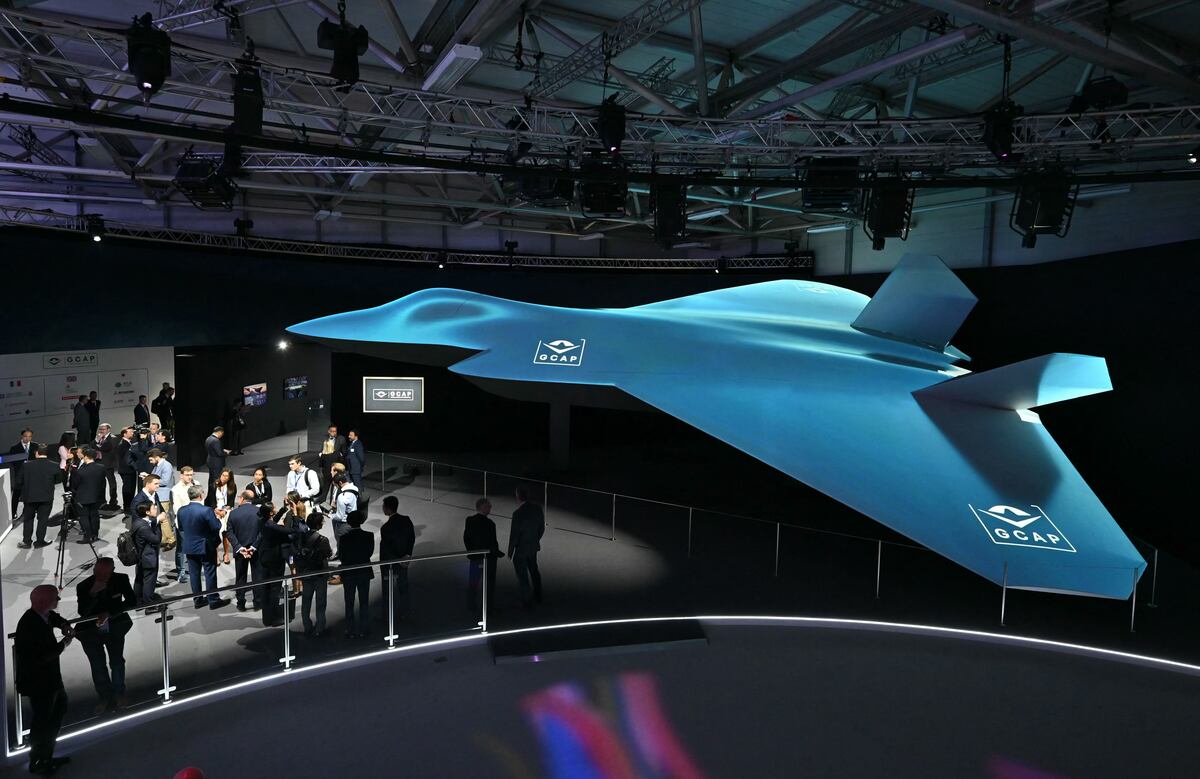
Poland's Deputy State Assets Minister Konrad Gołota has announced that the Polish government is actively exploring participation in the Global Combat Air Programme, the three-nation initiative led by Italy, Japan, and the United Kingdom to develop a next-generation fighter jet. The announcement, made on public broadcaster TVP Info, represents Warsaw's clearest signal yet that Poland intends to move beyond its current fleet of American-designed fighters toward a role in shaping European air power for the mid-21st century.
GCAP is one of two competing European sixth-generation fighter programs. The other, the Future Combat Air System, is being developed by France, Germany, and Spain. Together, the two programs represent the most ambitious and expensive defense procurement efforts in European history, with combined development costs expected to exceed €100 billion. Poland's interest suggests the country's defense leadership sees participation in a next-generation development program as strategically valuable beyond simply acquiring finished aircraft.
Industrial and Strategic Motivations
Gołota was explicit about Poland's motivations. The government's interest centers primarily on involving Polish defense industry companies in the program, building aerospace capabilities the sector has not had opportunity to develop in recent decades. "Today, we need to make up for some delays in this area, because, over the past decades, we have not produced aircraft in Poland, so our aviation industry requires development," he told the broadcaster.
Poland has been one of NATO's most aggressive defense spenders since Russia's invasion of Ukraine in 2022, tracking toward 4 percent of GDP — roughly double the NATO target. Its procurement agenda includes additional F-35s, Korean K2 tanks, FA-50 light combat aircraft, and advanced missile defense systems. Joining GCAP would add a long-duration industrial partnership to that list, with the potential to build Polish aerospace manufacturing capabilities over the program's multi-decade development timeline.
Diplomatic Groundwork Already Laid
The deputy minister disclosed that Polish officials have already held discussions with Italian and Japanese defense industry representatives. "They are showing an understanding of our proposal, and willingness to have further talks," he said, though he declined to characterize the status of any government-to-government discussions that may have accompanied the industry contacts.
The timing is complicated by delays in GCAP itself. The three founding nations have not yet finalized a contract between the GCAP International Government Organisation and the Edgewing joint venture representing national prime contractors Leonardo, BAE Systems, and Japan Aircraft Industrial Enhancement Co. Adding a new partner nation to a program that hasn't resolved its own internal contracts introduces additional complexity at a fraught moment.
The Broader Competition for European Partners
Poland is not alone in eyeing one of the two programs. Reports indicate India is also exploring joining either GCAP or FCAS, adding another potential partner to an already complex geopolitical calculation. Both programs face pressure from existing members to keep partner circles manageable, while recognizing that additional participants could help spread development costs and expand export markets.
Warsaw's decision on additional fighter acquisitions — whether F-35s, Eurofighters, or a stake in a sixth-generation program — will be one of the defining defense procurement choices of the decade for a country that has transformed itself into one of NATO's most capable military powers in less than four years. With Germany reportedly setting an April deadline to rescue the competing FCAS program from collapse, the landscape of European sixth-generation fighter development is shifting rapidly, and Poland is moving to position itself advantageously before those structures solidify.
This article is based on reporting by Defense News. Read the original article.