From Battlefield Innovation to Pentagon Procurement
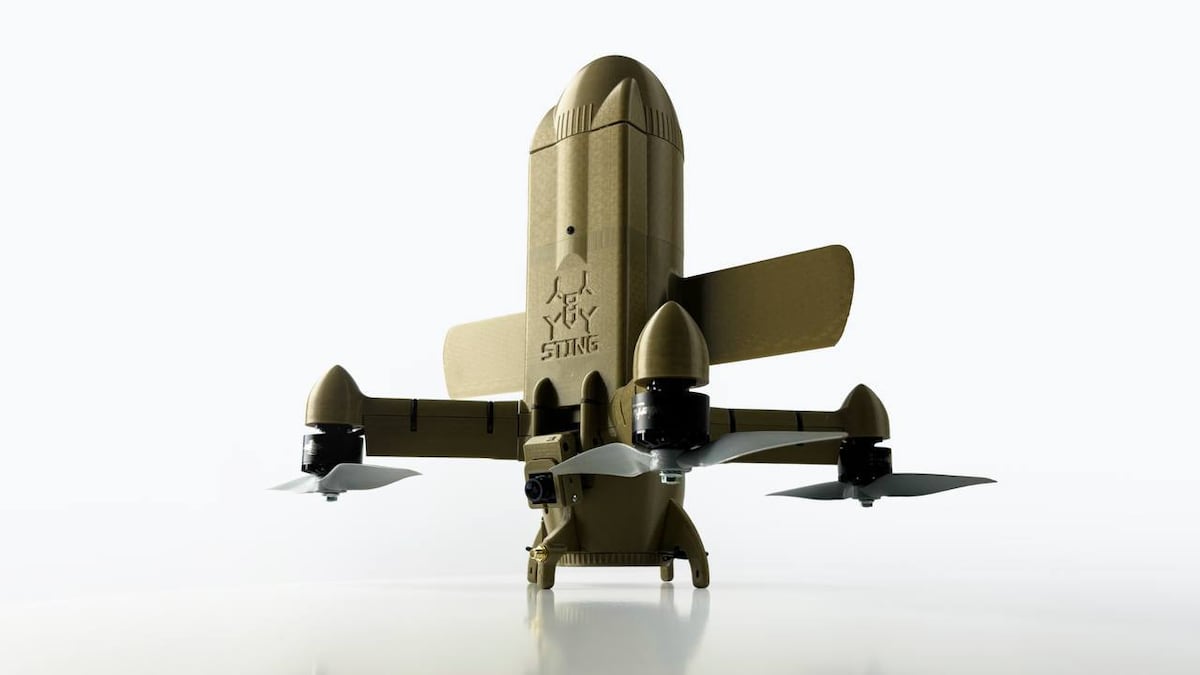
Ukraine spent years perfecting cheap drone killers on the front lines of its war with Russia. Now, after the US and its allies burned through billions of dollars in conventional missiles during just three days of operations, the Pentagon is asking Ukraine for help. The American military wants to buy Ukraine's battle-tested interceptor drones, which cost roughly $1,000 each, a fraction of the price of the missiles currently used to shoot down enemy unmanned aircraft.
The interest represents a striking reversal in the traditional flow of military technology, with the world's most powerful military turning to a smaller ally for solutions to a problem that conventional defense industry approaches have failed to solve affordably.
The Cost Problem in Modern Air Defense
The fundamental issue driving the Pentagon's interest is a dramatic cost asymmetry in modern air defense. When adversaries deploy swarms of small, inexpensive drones costing a few hundred to a few thousand dollars each, the defending side currently responds with missiles that cost anywhere from $100,000 to over $3 million per shot.
This equation is unsustainable. A nation or group with modest resources can exhaust a defender's missile stocks by launching enough cheap drones to drain the expensive interceptors. The recent three-day operation in which the US and allies expended billions in missiles made this vulnerability viscerally real for Pentagon planners.
The problem has been recognized for years, but the US defense industry's response has been slow. Traditional defense contractors are structured around high-cost, high-margin programs that take years to develop. The idea of building a $1,000 interceptor runs counter to the incentive structures of an industry accustomed to multi-billion-dollar contracts.
What Ukraine Built
Ukraine's interceptor drones emerged from battlefield necessity rather than formal procurement programs. Ukrainian forces faced relentless drone attacks from Russian Shahed-type kamikaze drones and smaller reconnaissance and strike UAVs. With limited supplies of Western-provided air defense missiles and a need to conserve them for higher-value targets like cruise missiles and manned aircraft, Ukrainian units began developing low-cost drone-on-drone solutions.
The resulting interceptor drones are remarkably simple by Western military standards. They use commercial off-the-shelf components, including motors, flight controllers, and cameras adapted from the civilian drone market. What makes them effective is not hardware sophistication but the software, tactics, and operational experience that Ukrainian drone units have refined through thousands of actual engagements.
The interceptor drones are designed to fly directly into incoming enemy drones, destroying both in the collision. With a unit cost around $1,000, sacrificing the interceptor to destroy an incoming threat that might cost $20,000 to $50,000 is economically efficient. And compared to using a $500,000 missile to shoot down the same target, the savings are transformative.
Battle-Tested Performance
Ukraine's interceptor drone units have accumulated operational experience that cannot be replicated in testing ranges or simulations. They have engaged enemy drones in all weather conditions, at night, in electronic warfare environments where GPS and communications are jammed, and against targets employing evasive maneuvers.
This real-world proving ground has produced not just hardware but an entire ecosystem of tactics, training methods, and operational procedures. Ukrainian operators have learned how to position interceptor teams, how to coordinate with radar and acoustic detection systems, and how to manage the rapid decision-making required when multiple incoming threats must be prioritized.
The Pentagon's interest extends beyond just buying the drones themselves. US military officials want access to the operational knowledge and tactical frameworks that Ukrainian units have developed, viewing them as equally valuable as the hardware.
Ukraine's Drone Experts Head to Washington
Some of Ukraine's best-known drone military commanders and experts are visiting Washington later this month to brief policymakers and defense leaders on their capabilities and lessons learned. The visit underscores how seriously the Pentagon is taking the Ukrainian approach and how urgently it views the need to develop affordable counter-drone capabilities.
The briefings are expected to cover not only interceptor drone technology but broader lessons about drone warfare that Ukraine has learned through years of intense combat. These include tactics for using commercial drones for reconnaissance and strike missions, methods for operating in GPS-denied environments, and strategies for rapidly adapting to enemy countermeasures.
Implications for US Defense
Adopting Ukrainian-style interceptor drones would represent a significant cultural shift for the US military. The American defense establishment has historically favored technologically sophisticated, expensive systems developed by large contractors over simple, cheap solutions developed by small teams. The Pentagon's procurement bureaucracy is designed for multi-year programs with extensive testing and documentation requirements, not for rapidly fielding $1,000 disposable drones.
However, the urgency of the counter-drone challenge may be forcing a change in mindset. Senior military leaders have publicly acknowledged that the current approach to drone defense is economically unsustainable. The success of Ukraine's low-cost solutions provides both a proof of concept and political cover for pursuing unconventional procurement approaches.
Several US companies are already developing their own interceptor drone systems, and the Ukrainian technology could serve as a benchmark and accelerator for these domestic programs. The combination of Ukrainian operational expertise with US manufacturing scale and resources could produce a counter-drone capability that neither could achieve alone.
A Broader Shift in Warfare
The Pentagon's interest in Ukraine's interceptor drones reflects a broader recognition that modern warfare is being transformed by cheap, expendable unmanned systems. The traditional model of expensive, reusable military platforms, whether aircraft, ships, or ground vehicles, is being challenged by swarms of low-cost drones that can be mass-produced and freely expended.
Adapting to this reality requires not just new technology but new ways of thinking about military capability, procurement, and industrial strategy. Ukraine, forced by necessity to innovate rapidly with limited resources, has provided a template that the world's most powerful military is now seeking to emulate.
This article is based on reporting by Defense News. Read the original article.
Originally published on defensenews.com