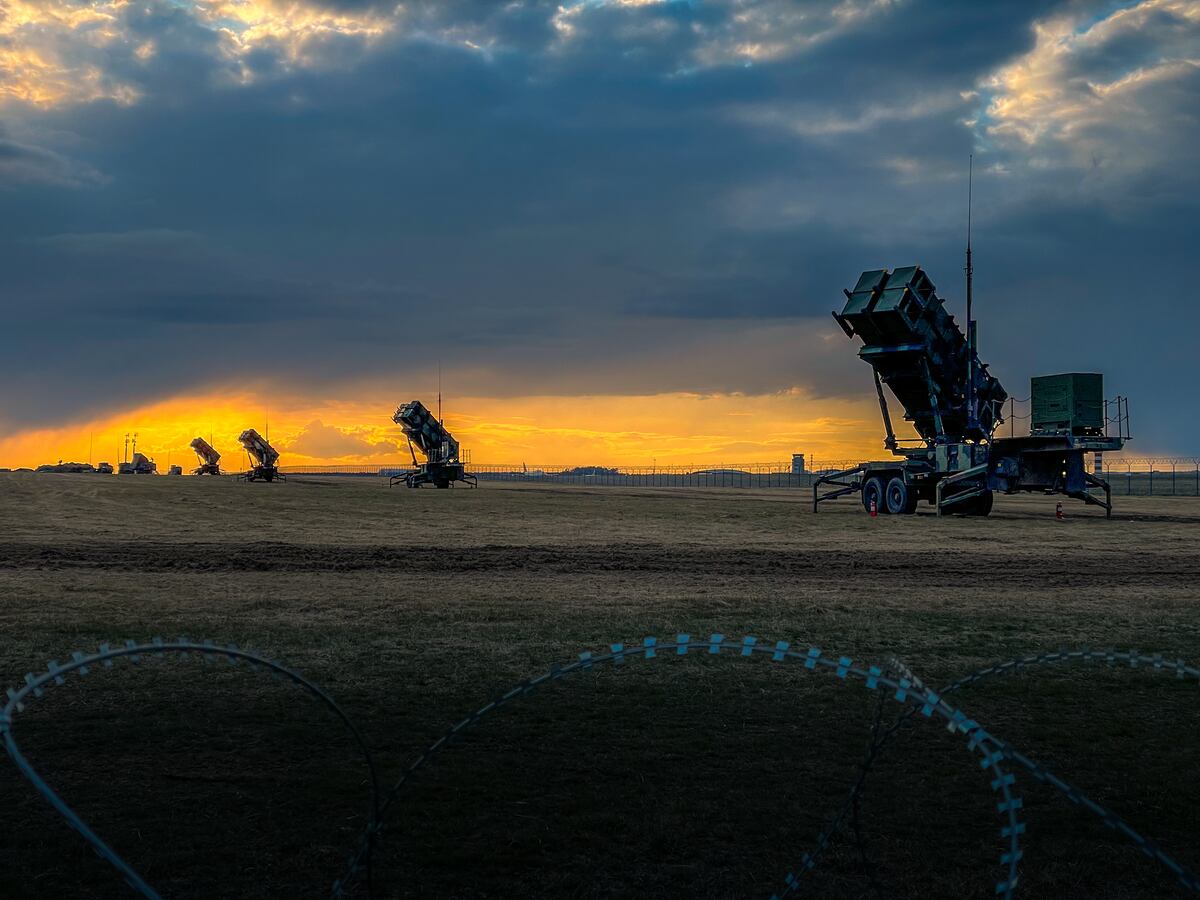
புதிய Patriot வாங்குவதற்காக நெதர்லாந்து நேரத்துடன் போட்டியிடுகிறது
கூடுதல் Patriot வான்பாதுகாப்பு அமைப்பை விரைவாக முன்னெடுக்கத் திட்டமிட்டுள்ளதாக டச்சு அரசு கூறுகிறது. சாதாரணமாக பட்ஜெட் விவாதமாக இருக்கக்கூடிய விஷயம், குறுகிய ஒப்பந்தச் சாளரம் காரணமாக அவசர கொள்முதல் முடிவாக மாறியுள்ளது என்று அரசு வாதிடுகிறது. திங்கள்கிழமை தேதியிட்ட பாராளுமன்றத்துக்கான கடிதத்தில், பாதுகாப்பு அமைச்சர் Dilan Yesilgoz-Zegerius, இந்த அமைப்புக்கான உறுதியான விலை முன்மொழிவில் கையெழுத்திட நாட்டிற்கு மார்ச் 31, 2026 வரை அவகாசம் உள்ளதாக தெரிவித்தார். அந்த காலக்கெடு கடந்துவிட்டால், உற்பத்தி இடத்தை Raytheon மற்றொரு வாங்குபவருக்கு வழங்கும் என எதிர்பார்க்கப்படுகிறது.
அமைச்சரின் கூற்றுப்படி, அதன் விளைவு வெறும் ஆவணத் தாமதம் மட்டுமல்ல. நெதர்லாந்து சர்வதேச காத்திருப்பு பட்டியலில் பின்தள்ளப்படும், மேலும் டெலிவரி 2033 வரை தள்ளிப் போகலாம். தாமதமான ஆர்டர் கணிசமான விலை உயர்வோடும் வரும் என்று அரசும் எச்சரித்தது.
கால அழுத்தம், உற்பத்தி பற்றாக்குறை, அதிகரிக்கும் தேவை ஆகியவற்றின் கலவையே ஐரோப்பாவின் வான்பாதுகாப்பு சந்தையின் நிலையை காட்டுகிறது. Patriot batteryகள் இனி எதிர்காலத்தின் அப்ஸ்ட்ராக்ட் திறன்களாகப் பேசப்படவில்லை. உற்பத்தி சாளரம் கிடைக்கும் போதே அரசுகள் பெற்றுக்கொள்ள வேண்டிய அரிதான, உயர்ந்த முன்னுரிமை அமைப்புகளாக அவை கருதப்படுகின்றன.
அவசரம் ஏன் அதிகரித்தது என்று தி ஹேக் கூறுகிறது
டச்சு அரசு வேகமான அட்டவணையை நேரடியாக பாதுகாப்பு சூழலுடன் இணைத்தது. உக்ரைன் மற்றும் மத்திய கிழக்கில் நடக்கும் போர்கள் வலுவான வான்பாதுகாப்பின் முக்கியத்துவத்தை வெளிப்படுத்துகின்றன என்று Yesilgoz-Zegerius எழுதியுள்ளார். இந்த துறைக்கு கூட்டாளிகள் முன்னுரிமை அளிக்க வேண்டும் என்று NATO கேட்டுக்கொண்டுள்ளதாகவும் அவர் கூறினார்.
அது முக்கியம், ஏனெனில் டச்சு நிலைப்பாடு தனிப்பட்ட தேசிய கொள்முதல் முடிவாக காட்டப்படவில்லை. ஒருங்கிணைந்த வான் மற்றும் ஏவுகணை பாதுகாப்புக்கான பரந்த கூட்டணி தேவையின் ஒரு பகுதியாக அது முன்வைக்கப்பட்டுள்ளது. அந்த பார்வையில், இன்னொரு Patriot அமைப்பை வாங்குவது தேசிய பாதுகாப்பு மேம்பாடும், NATO-வின் பொறுப்புப் பகிர்வுக்கும் பங்களிப்புமாகும்.
பாராளுமன்றம் கூடுதல் பட்ஜெட்டை விவாதிக்க தேவையான அளவு நேரம் கிடைக்க விலை முன்மொழிவை நீட்டிக்க அரசு எதிர்பார்த்திருந்ததாக அமைச்சர் கூறினார். ஆனால், மார்ச் நடுப்பகுதியில் Raytheon அந்த விருப்பத்தை நீட்டிக்க முடியாது என்று கூறியதும் அந்தத் திட்டம் முறிந்தது. நிலவும் மோதல்களுடன் தொடர்புடைய Patriot அமைப்புகளுக்கான தேவை வெடித்தளவில் அதிகரித்ததே காரணம் என கூறப்பட்டது.
இதன் விளைவாக, அரசியல் ரீதியாக சிக்கலான ஆனால் தந்திர ரீதியாக பரிச்சயமான நிலை உருவானது: ஒப்பந்தமே ஆபத்தில் சிக்காமல் இருக்க, முழுமையான சாதாரண பட்ஜெட் செயல்முறைக்காக காத்திருக்க முடியாது என்று அரசு கூறுகிறது. அதனால் மார்ச் 31 இறுதிக் காலக்கெடு இந்தக் கதையின் மைய உண்மையாகிறது.
நெதர்லாந்திடம் ஏற்கனவே என்ன உள்ளது
நெதர்லாந்து Patriot-இன் புதிய இயக்குநர் அல்ல. 1987-ல் இந்த அமைப்பை ஏற்றுக்கொண்ட முதல் ஐரோப்பிய நாடுகளில் அது ஒன்றாகும். ஏவுகணை அடிப்படையிலான இந்த வான்பாதுகாப்பு அமைப்பின் ஒரே தயாரிப்பாளர் Raytheon தான், மேலும் ஒரு fire unit-இல் பொதுவாக ஒரு radar, launchers, command-and-control stations அடங்கும்.
2022 நிலவரப்படி, நெதர்லாந்திடம் மூன்று fire units இருந்தன; நான்காவது அமைப்பிற்கான கூறுகளும் கையிருப்பில் இருந்தன. ஏற்கனவே உள்ள இந்த படைத் தொகுப்பு, திட்டமிட்ட வாங்குதலுக்கு முதல் முறையிலான கொள்முதலிலிருந்து மாறுபட்ட அர்த்தத்தை அளிக்கிறது. டச்சு ராணுவம் புதிதாக வான்பாதுகாப்பு அமைப்பை உருவாக்கவில்லை. ஏற்கெனவே நிறுவப்பட்டதையே இன்னொரு முழு அமைப்பால் மேலும் ஆழப்படுத்த முயல்கிறது.
ஜனவரி 2025-ல் Patriot கூறுகள், அதில் ஒரு radar unit மற்றும் பல launchers சேர்ந்து, $529 மில்லியன் ஒப்பந்தத்தில் ஆர்டர் செய்யப்பட்டதாகவும் அரசு குறிப்பிட்டது. இக்கூறுகள் உக்ரைனுக்கு நன்கொடையாக வழங்கப்பட்ட உபகரணங்களை மாற்றுவதற்காக இருந்தன, டெலிவரி 2029-இல் எதிர்பார்க்கப்பட்டது.
2025-இல் செய்யப்பட்ட replenishment order மற்றும் புதிதாக முன்மொழியப்பட்ட 2026 rush order ஆகியவற்றை ஒன்றாகப் பார்க்கும்போது, இரண்டு ஒன்றோடொன்று மோதும் அழுத்தங்கள் தெளிவாகின்றன: நன்கொடையாக வழங்கப்பட்ட திறனை மீட்டெடுப்பதும், மொத்த திறனை விரிவுபடுத்துவதும். புதிய வாங்குதல் NATO-வின் ஒருங்கிணைந்த வான் மற்றும் ஏவுகணை பாதுகாப்பு தேவைகளை பூர்த்தி செய்யும் முக்கியமான படியாக அரசு விவரிக்கிறது.
போர் மற்றும் கூட்டணி தேவை உருவாக்கிய உற்பத்தி வரிசை
டச்சு விளக்கத்தில் மிகவும் வெளிப்படையான பகுதி தொழில்துறை கட்டுப்பாடுகளைப் பற்றியது. Patriot தேவை இவ்வளவு அதிகரித்திருக்கிறது என்பதால், உற்பத்தி சாளரமே ஒரு தந்திரச் சொத்தாக மாறியுள்ளது. அரசுகள் இப்போது வாங்க வேண்டுமா வேண்டாமா என்று மட்டும் முடிவெடுக்கவில்லை. நெரிசலான வரிசையில் டெலிவரி இடத்துக்காக போட்டியிடுகின்றன.
இது ஐரோப்பாவுக்கு பரந்த விளைவுகளை ஏற்படுத்துகிறது. உக்ரைன் போர், கண்டம் முழுவதும் வெடிமருந்து, ஏவுகணை பாதுகாப்பு, பீரங்கி, தயார் நிலை ஆகியவற்றின் மறுஆய்வைத் தூண்டியுள்ளது. குறிப்பாக வான்பாதுகாப்பு ஒரு பிரீமியம் திறனாக மாறியுள்ளது, ஏனெனில் அது தாய்நாட்டு பாதுகாப்பு, படைப் பாதுகாப்பு, கூட்டணி இடையினையாக்கம் ஆகியவற்றின் சந்திப்பில் அமைகிறது.
டச்சு கடிதம், இந்த அவசரம் கொள்முதல் நடத்தையில் நேரடியாக எவ்வாறு பிரதிபலிக்கிறது என்பதை காட்டுகிறது. நடைமுறை உறுதி கிடைக்க காத்திருப்பது இப்போது ராணுவச் செலவை ஏற்படுத்தலாம். ஒரு நாடு சாளரத்தை தவறவிட்டால், தண்டனை வெறும் ஆவண தாமதம் அல்ல; பல ஆண்டுகள் தள்ளிப்போன திறனாக இருக்கும்.
இந்த அவசரத்தில் ஒரு நிதிச் செய்தியும் உள்ளது. பாராளுமன்றம் தனது சாதாரண பட்ஜெட் ஆய்வை முடிக்குமுன் விரைந்து செயல்படுவது மலிவான தேர்வாக இருக்கலாம் என்று அரசு வாதிடுகிறது. அந்தக் கோணத்தில், தாமதம் அட்டவணை ஆபத்தையும் விலை ஆபத்தையும் உருவாக்குகிறது.
இந்த ஆர்டர் விரிவான நவீனமயமாக்கல் முயற்சியின் ஒரு பகுதி
Patriot திட்டம் இன்னொரு பெரிய திட்டமிட்ட வாங்குதலுடன் சேர்த்து அறிவிக்கப்பட்டது. நெதர்லாந்து கூடுதலாக சக்கரங்களுடன் வரும் Boxer RCT-30 infantry fighting vehicles-ஐ 570 மில்லியன் யூரோ மதிப்பில் ஆர்டர் செய்யவும் திட்டமிட்டுள்ளது. இந்த வாகனங்களில் 30mm cannon உடன் unmanned turret இருக்கும்.
அக்டோபரில், ஜெர்மனியுடன் கூட்டு ஆர்டரின் ஒரு பகுதியாக 222 வாகனங்களில் 72-ஐ வாங்க நெதர்லாந்து ஒப்புக்கொண்டது; அதன் மதிப்பு 4.7 பில்லியன் யூரோ, டெலிவரி 2027 இறுதியில் தொடங்கும். இந்த கூடுதல் வாகனங்கள் டச்சு Medium Infantry Brigade-ஐ வலுப்படுத்தும் என்று அமைச்சர் கூறினார்; இதுவும் ஒரு NATO முன்னுரிமை.
இந்த இணைப்பு முக்கியமானது. வான்பாதுகாப்பை அரசு தனித்தனியாகப் பார்க்கவில்லை என்பதை இது காட்டுகிறது. மாறாக, NATO தேவைகளுடன் இணைந்த பல நவீனமயமாக்கல் பாதைகளை முன்னெடுக்க இந்த தருணத்தை பயன்படுத்துகிறது: ஒருபுறம் ஏவுகணை பாதுகாப்பு, மறுபுறம் விரைவாக நகர்த்தக்கூடிய தரைப்படை போர்திறன்.
அதற்கிடையில், Patriot முடிவு அதன் சுருங்கிய காலக்கெடு காரணமாக தனித்துத் தெரிகிறது. மார்ச் 31 கையொப்ப காலக்கெடு இருப்பதால், இந்த ஆர்டரை கூடுதல் பட்ஜெட்டுக்கான பாராளுமன்ற ஒப்புதலுக்காக காத்திருக்க முடியாது என்று அரசு கூறுகிறது. கொள்முதல் அட்டவணைகளை தொழிற்சாலை அட்டவணைகள் எவ்வாறு முந்திக்கொள்ள முடியும் என்பதை அரிதாக நேரடியாக ஒப்புக்கொண்டுள்ளது இது.
அடுத்து என்ன
உடனடி அடுத்த படி எளிது: சலுகை காலாவதியாகும் முன் நெதர்லாந்து கையெழுத்திடுமா என்பதே. கையெழுத்திட்டால், நாடு தனது உற்பத்தி சாளரத்தைப் பாதுகாத்து, மேற்கோள் விலையில் கூடுதல் Patriot அமைப்புடன் முன்னேறும். இல்லையெனில், அரசின் கூற்றுப்படி, மிக நீண்ட காத்திருப்பு மற்றும் பின்னர் அதிக விலை கொடுத்து வாங்க வேண்டிய நிலை ஏற்படும்.
பெரிய படத்தில், இந்த வழக்கு இப்போது பல NATO உறுப்பினர்கள் எதிர்கொள்ளும் பாதுகாப்பு நிஜத்தை காட்டுகிறது. திறன் முன்னுரிமைகள் இனி அச்சுறுத்தல் மதிப்பீடுகளால் மட்டுமல்ல, தொழில்துறை bottlenecks, வழங்குநர் காலக்கெடுகள், மற்றும் ஒரே சந்தையில் அனைவரும் ஒரே அமைப்பை ஒரே நேரத்தில் விரும்பும் சூழலில் நீண்ட நேரம் காத்திருப்பதின் விளைவுகளாலும் நிர்ணயிக்கப்படுகின்றன.
நெதர்லாந்துக்காக, இது வெறும் கொள்முதல் அறிவிப்பு அல்ல. இது ஐரோப்பிய பாதுகாப்புத் திட்டமிடலில் அவசரம் இப்போது எப்படி தெரிகிறது என்பதற்கான அறிக்கை: கூட்டணியின் அதிகம் விரும்பப்படும் வான்பாதுகாப்பு அமைப்புகளில் ஒன்றுக்காக, மாதங்களில் அல்ல, நாட்களில் சாளரம் மூடப்படலாம் என்று பாராளுமன்றத்துக்கு எச்சரிக்கும் ஒரு அமைச்சர்.
இந்த கட்டுரை Defense News செய்தியறிக்கையை அடிப்படையாகக் கொண்டது. மூலக் கட்டுரையைப் படிக்கவும்.
Originally published on defensenews.com