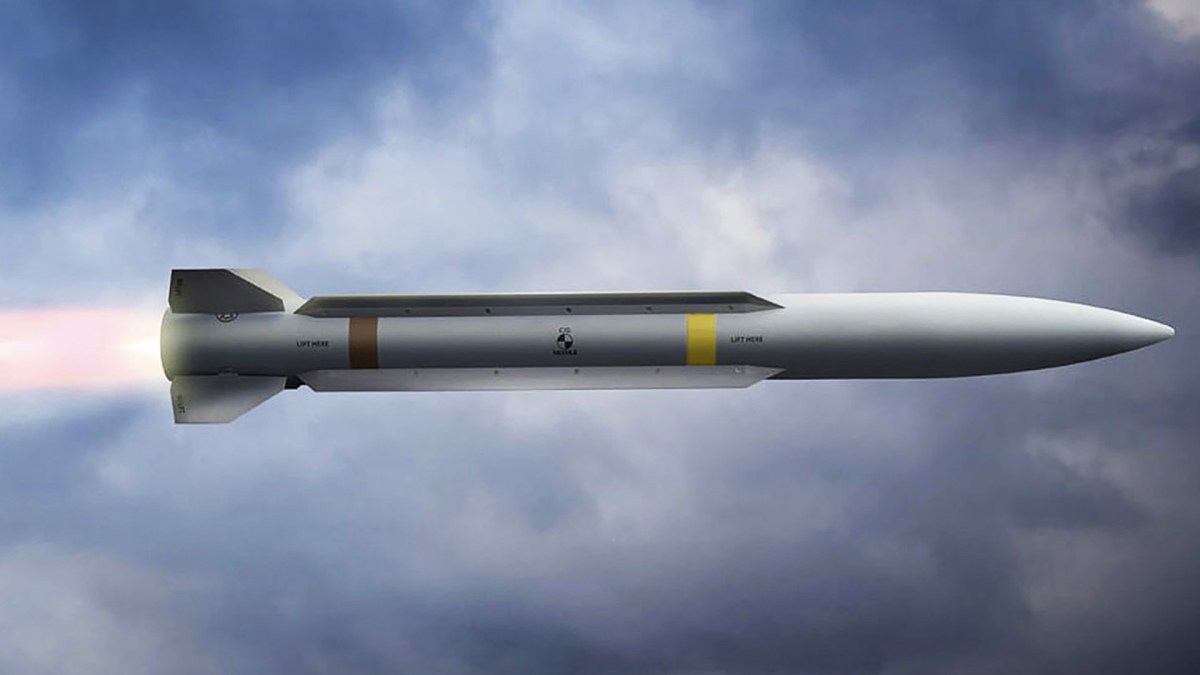
கடல் படை நீண்ட தூர ஏவுகணை இலக்குகளை ஒரு சிறிய ஆயுத கருத்துடன் இணைக்கிறது
அமெரிக்க கடல் படையின் சமீபத்திய ஏவுகணை திட்ட வரைபடம் வெறும் அதிக தூரத்தில் தாக்குவது பற்றியதல்ல. புதிதாக வெளிப்படுத்தப்பட்ட AIM-424 Malice Long-Range Air-to-Air Missile உடன் சேர்த்து, சேவை எதிர்மாறான பிரச்சினையை மையமாகக் கொண்ட இரண்டாவது முயற்சியையும் முன்வைத்துள்ளது: ஸ்டெல்த் விமானங்களின் உள்ளே இன்னும் அதிக குறுகிய தூர பாதுகாப்பு ஆயுதங்களை எப்படி அடுக்குவது என்பதைக் குறித்து.
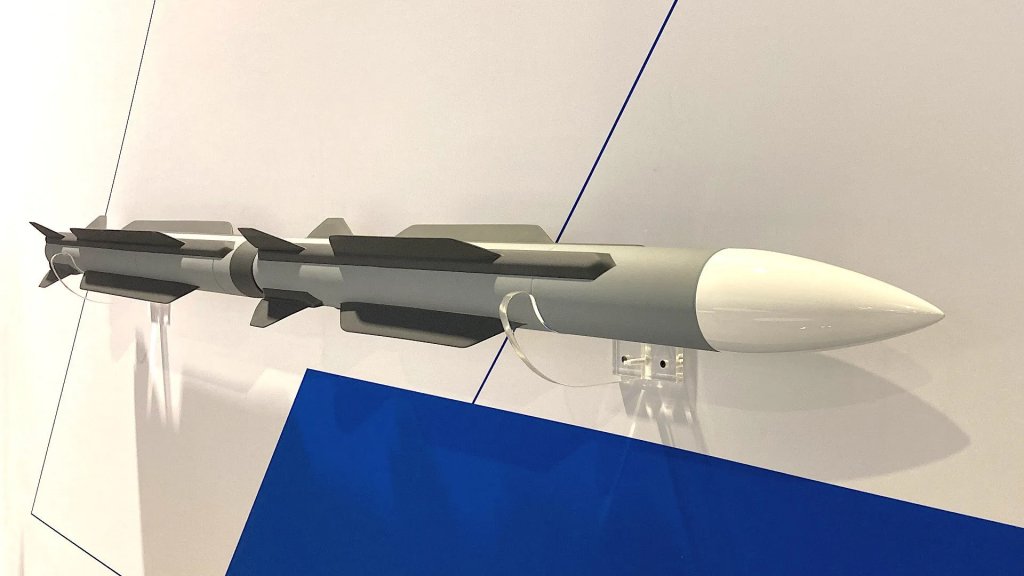
Compact Air-to-Air Missile, அல்லது CAAM, என அழைக்கப்படும் இந்த முயற்சி, குறுகிய தூர மோதல்கள் மற்றும் F-35 போன்ற விமானங்களில் உள் எடுத்துச்செல்லும் பயன்பாடு ஆகியவற்றை இலக்காகக் கொண்டது; எதிர்கால ட்ரோன்களுக்கும் இது பொருந்தக்கூடும். இந்த கருத்து நவீன வான்போர் நடவடிக்கைகளில் பரிச்சயமான ஒரு சமநிலையைச் சுட்டிக்காட்டுகிறது. நீண்ட தூரம் முக்கியம், ஆனால் வெடிகுண்டு சேமிப்பு ஆழமும் அதே அளவு முக்கியம், குறிப்பாக படைகள் கப்பல்தளம் அல்லது பிற உயர்மதிப்பு சொத்துகளை ஏவுகணைகள் மற்றும் ட்ரோன்களின் அடர்த்தியான தாக்குதல்களிலிருந்து காக்க வேண்டியபோது.
மூல அறிக்கையின்படி, கடல் படை முதன்முதலில் AIM-424-ஐ வெளியிட்ட அதே Tailhook Association மாநாட்டு விளக்கத்தில் CAAM குறிப்பிடப்பட்டது. அந்த இணைப்பு முக்கியமானது. இது சேவை தனது எதிர்கால air-to-air சேமிப்பை ஒரே next-generation மாற்றாக அல்ல, பல அடுக்குகளைக் கொண்ட அமைப்பாகப் பார்க்கிறது என்பதைச் சுட்டுகிறது. ஒரு ஆயுதம் தூரத்தை அதிகரிக்க நோக்கமுடையது. மற்றொன்று, அருகிலான சண்டைகளுக்கு ஒரு விமானம் உள்புறமாக எடுத்துச்செல்லக் கூடிய ஆயுதங்களின் எண்ணிக்கையை அதிகரிக்க நோக்கமுடையது.
உள் எடுத்துச்செலும் திறன் கருத்தின் மையம்
இதுவரை விவரிக்கப்பட்டிருக்கும் முதன்மைத் தேவை “inner boundary weapon” க்கான உள் எடுத்துச்செல்லும் திறனை அதிகரிப்பதாகும். அந்த சொற்றொடர் குறைந்தளவு பொது விவரங்களிலேயே மிகவும் வெளிப்படையாக உள்ளது. உள் எடுத்துச்செல்லுதல் ஸ்டெல்த் விமானங்களின் குறைந்த-காண்கூடிய தன்மையை காக்கிறது; அதே நேரத்தில் ஆயுதத்தின் அளவும் எண்ணிக்கையும் கட்டுப்படுகிறது. மேலும் சுருக்கமான ஏவுகணை, ரேடார் கண்காணிப்பை அதிகரிக்கும் வெளிப்புற pylons-க்கு ஆயுதங்களை மாற்றாமல், விமானங்கள் அதிகமான “shots” எடுத்துச்செல்ல உதவும்.
கடற்படை வான்பயன்பாட்டில், இது பல சூழல்களில் முக்கியம். கப்பல்தளத்தில் இயங்கும் போர்விமானங்கள், வரும் cruise missiles, unmanned aircraft, அல்லது saturation attacks ஆகியவற்றிலிருந்து கப்பல் படையை பாதுகாக்க வேண்டியிருக்கலாம், அங்கு அச்சுறுத்தல்களின் எண்ணிக்கையும் அவற்றின் நுட்பத்திற்குச் சமமாக முக்கியம். அத்தகைய சூழலில், ஆழமான உள் magazine கொண்ட போர்விமானம், பின்வாங்குவதற்கு அல்லது மீண்டும் ஆயுதம் ஏற்றுவதற்கு முன் மேலும் பல இலக்குகளை எதிர்கொண்டு, நீண்ட நேரம் ஸ்டெல்த் நிலையில் இருக்க முடியும்.
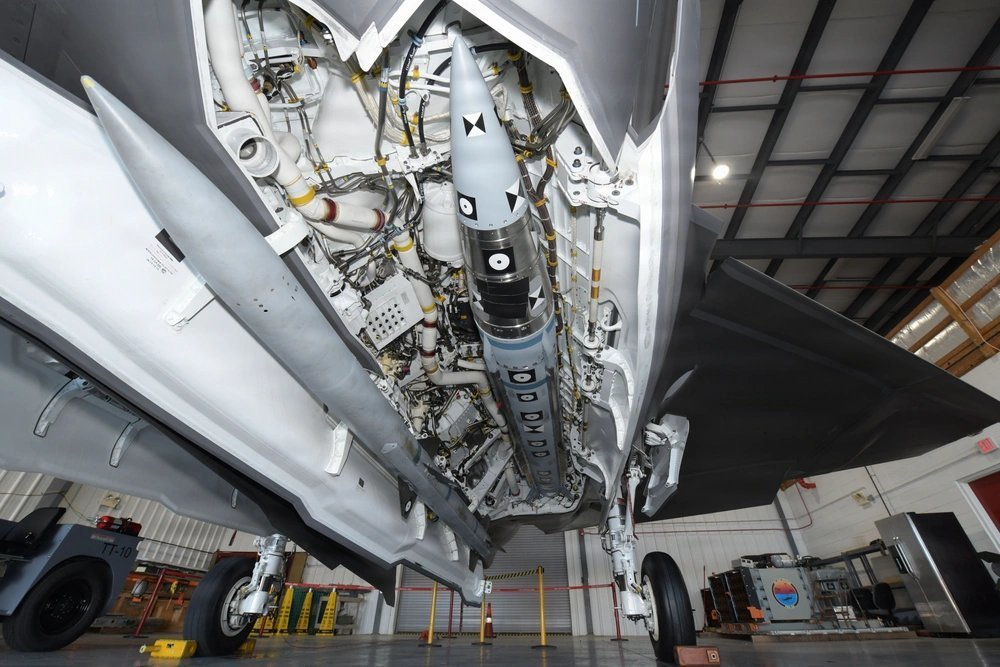
இந்த வகை ஆயுதம், பெரிய அளவிலான ஏவுகணை மற்றும் ட்ரோன் அலைகளிலிருந்து கப்பல்தளங்கள் மற்றும் பிற உயர்மதிப்பு சொத்துகளை உள்ளூர் பாதுகாப்பில் காக்க மிகவும் பயனுள்ளதாக இருக்கலாம் என்று மூல அறிக்கை குறிப்பிடுகிறது. மொத்தத்தில், கடல் படை திறனையே ஒரு போர் மாறிலியாகக் கருதுவது போலத் தெரிகிறது.
அந்த பார்வை இராணுவத் திட்டமிடலில் நிகழும் விரிவான மாற்றத்துடன் ஒத்திருக்கிறது. சேவைகள் இப்போது ஒரு ஏவுகணை தனிப்பட்ட இலக்கை வெல்லுமா என்பதைக் கடந்தும், நீண்டகால அல்லது அடுக்கப்பட்ட மோதல்களில் உயிர்வாழும் அளவுக்கு தளங்கள் போதுமான interceptor-களை எடுத்துச்செல்ல முடியுமா என்பதையும் கவனிக்கின்றன. ஒரு compact missile அந்த கணக்குக்கு ஒரு பதில்.
முந்தைய Compact Sidewinder யோசனையின் ஒலிப்புகள்
கடல் படை விரிவான விவரக்குறிப்புகளை வெளியிடவில்லை என்றாலும், CAAM-இன் மைய இலக்குகள் முன்பு விளக்கப்பட்ட AIM-9X Sidewinder-இன் “Compact Variant”, அதாவது AIM-9X CV, யை மிகவும் ஒத்துள்ளன என்று அறிக்கை கூறுகிறது. அந்த ஒப்பீடு இந்த முயற்சியின் சாத்தியமான திசையைத் தெளிவாகக் காட்டுகிறது. முற்றிலும் புதிய பணி வகையை உருவாக்குவதற்குப் பதிலாக, கடல் படை அறியப்பட்ட குறுகிய தூர போர் பங்குக்காக வடிவமைக்கப்பட்ட சிறிய ஏவுகணையைத் தேடிக்கொண்டிருக்கலாம்.
அந்த தொடர்ச்சி நிலைத்திருந்தால், இந்த திட்டம் பயனுள்ள close-range air-to-air செயல்திறனைப் பாதுகாத்தபடி, ஏவுகணையின் அளவை குறைத்து loadout density-ஐ மேம்படுத்துவதில் கவனம் செலுத்தலாம். இது மனித இயக்கமுள்ள போர்விமானங்களுக்கு மட்டுமல்ல, கட்டுப்படுத்தப்பட்ட இடங்களில் உள்புறமாக ஆயுதங்களை எடுத்துச்செல்ல வேண்டிய கூட்டுறவு அல்லது தானியங்கி விமானங்களுக்கும் பொருந்தும்.
மூல உரையில் மேற்கோள் காட்டப்பட்ட கடல் படை அதிகாரி CAAM-ஐ “a future inner boundary weapon” என்று விவரித்து, தேவைகள் N98, Office of the Chief of Naval Operations-ன் Air Warfare Division, மூலம் மதிப்பாய்வு மற்றும் ஆய்வு செய்யப்படுகின்றன என்று கூறினார். அதே அதிகாரி, செயல்பாட்டு பாதுகாப்பு மற்றும் திட்டத்தின் நுணுக்கத்தால், அங்கீகரிக்கப்பட்ட பொது வெளியீடுகள் தவிர வழக்கமான புதுப்பிப்புகளை சேவை வழங்கத் திட்டமிடவில்லை என்றும் கூறினார்.
அங்கீகாரம் மற்றும் கட்டுப்பாடு சேர்ந்த இந்த சேர்க்கை, இன்னும் தேவைகள் நிலையிலுள்ள ஒரு திட்டத்திற்கு வழக்கமானது. இது முயற்சி உண்மையானது என்றும் அதிகாரப்பூர்வமாக பரிசீலனையில் உள்ளது என்றும், ஆனால் காலக்கெடு, ஒப்பந்ததாரர்கள், அல்லது செயல்திறன் விவரங்களைப் பற்றி கடல் படை இன்னும் பொதுவாகப் பேசத் தயாராக இல்லாத நிலையில் உள்ளது என்றும் காட்டுகிறது.
இந்த திட்டம் இப்போது ஏன் முக்கியம்
இந்த வெளிப்பாடு வான்வழி அச்சுறுத்தல் சூழல்கள் மேலும் நெரிசலாகவும் சமமற்றதாகவும் மாறும் தருணத்தில் வருகிறது. நீண்ட தூர ஏவுகணைகள் மூலதன ரீதியாக ஈர்க்கக்கூடியவையே, ஏனெனில் அவை எதிரியைத் தள்ளி வைக்கவும், ஆதரவு விமானங்களை தொலைவில் அச்சுறுத்தவும் முடியும். ஆனால் மலிவான ட்ரோன்களின் எழுச்சியும் பெருமளவு தாக்குதல்களும் அதிக எண்ணிக்கையில் எடுத்துச்செல்லக்கூடிய ஆயுதங்களின் தேவையையும் உருவாக்குகின்றன. அந்த சூழலில், compact missiles என்பது ஓரங்கட்ட கருத்தல்ல. சுடும் எண்ணிக்கை தீர்மானிப்பாக இருக்கும் மோதல்களில் மேம்பட்ட விமானங்கள் கட்டாயப்படுத்தப்படலாம் என்ற சாத்தியத்துக்கான பதிலாகும்.
ஸ்டெல்த் விமானங்களுக்கு, இந்த பிரச்சினை இன்னும் கூர்மையானது. F-35-இன் உள் bays என்பது ஒரே நேரத்தில் பலமும் வரம்பும். அவை உயிர்வாழ்தலைப் பாதுகாக்கின்றன, ஆனால் ஒவ்வொரு உள் இடமும் மதிப்புடையது. சிறிய ஏவுகணை அதே விமானத்தை, signature management-ஐ தியாகம் செய்யாமல், அதிக interceptor-களை எடுத்துச்செல்ல அனுமதிக்கலாம்.
AIM-424 மற்றும் CAAM இரண்டிற்கும் கடல் படை அளிக்கும் பொது முக்கியத்துவம், air combat modernization-க்கு ஒரு portfolio அணுகுமுறையைச் சுட்டுகிறது. ஒவ்வொரு பிரச்சினைக்கும் ஒரே ஏவுகணை தீர்வாக இருக்கும் என்று சேவை பந்தயம் கட்டவில்லை. அதற்கு பதிலாக, அது பணிகளை outer-boundary மற்றும் inner-boundary அடுக்குகளாகப் பிரித்து, ஒவ்வொன்றுக்கும் தனித்தனி ஆயுதங்களை மேம்படுத்துகிறது போலத் தெரிகிறது. நீண்ட தூரத்தில் உள்ள மேம்பட்ட விமானங்களிலிருந்து, நெருக்கமான ட்ரோன் மற்றும் ஏவுகணை salvo-கள் வரை, பலவகையான அச்சுறுத்தல்களுக்கு இது ஒரு நடைமுறைமான பதில்.
இன்னும் பல பெரிய தெரியாதவை உள்ளன. வழங்கப்பட்ட மூலத்தின் பொது பதிவில் CAAM, AIM-9X derivative ஆக உருவாகுமா, முற்றிலும் புதிய வடிவமைப்பாக மாறுமா, அல்லது விரைவில் acquisition-க்கு செலுமா என்பது தெரியவில்லை. intended platform counts அல்லது deployment schedules-ஐயும் அது குறிப்பிடவில்லை. ஆனால் தேவையே முக்கியமானது. ஸ்டெல்த் விமானங்களுக்கு சிறந்த ஏவுகணைகள் மட்டும் போதாது, அவற்றை எடுத்துச்செல்ல இன்னும் திறமையான வழிகளும் தேவை என்பதைக் கடல் படை உணர்கிறது என்பதை இது காட்டுகிறது.
அந்த அர்த்தத்தில், compact missile முயற்சி இறுதியில் தலைப்புச் செய்தியாகிய AIM-424 போலவே முக்கியமானதாக இருக்கலாம். நீண்ட தூர ஆயுதம் reach-இல் உள்ள பேராசையை வெளிப்படுத்துகிறது. CAAM survivability, quantity, மற்றும் அழுத்தத்தின் கீழ் தொடர்ந்த பாதுகாப்புக்கு கவனம் செலுத்துவதை வெளிப்படுத்துகிறது. சேர்ந்து, அவை missile warfare-ன் இரு முனைகளாலும் வடிவமைக்கப்படும் ஒரு எதிர்கால air wing-ஐ வரைகின்றன: முன்பே தாக்குவது மற்றும் சண்டை நெருங்கும்போது அதிகம் எடுத்துச்செல்வது.
This article is based on reporting by twz.com. Read the original article.
Originally published on twz.com