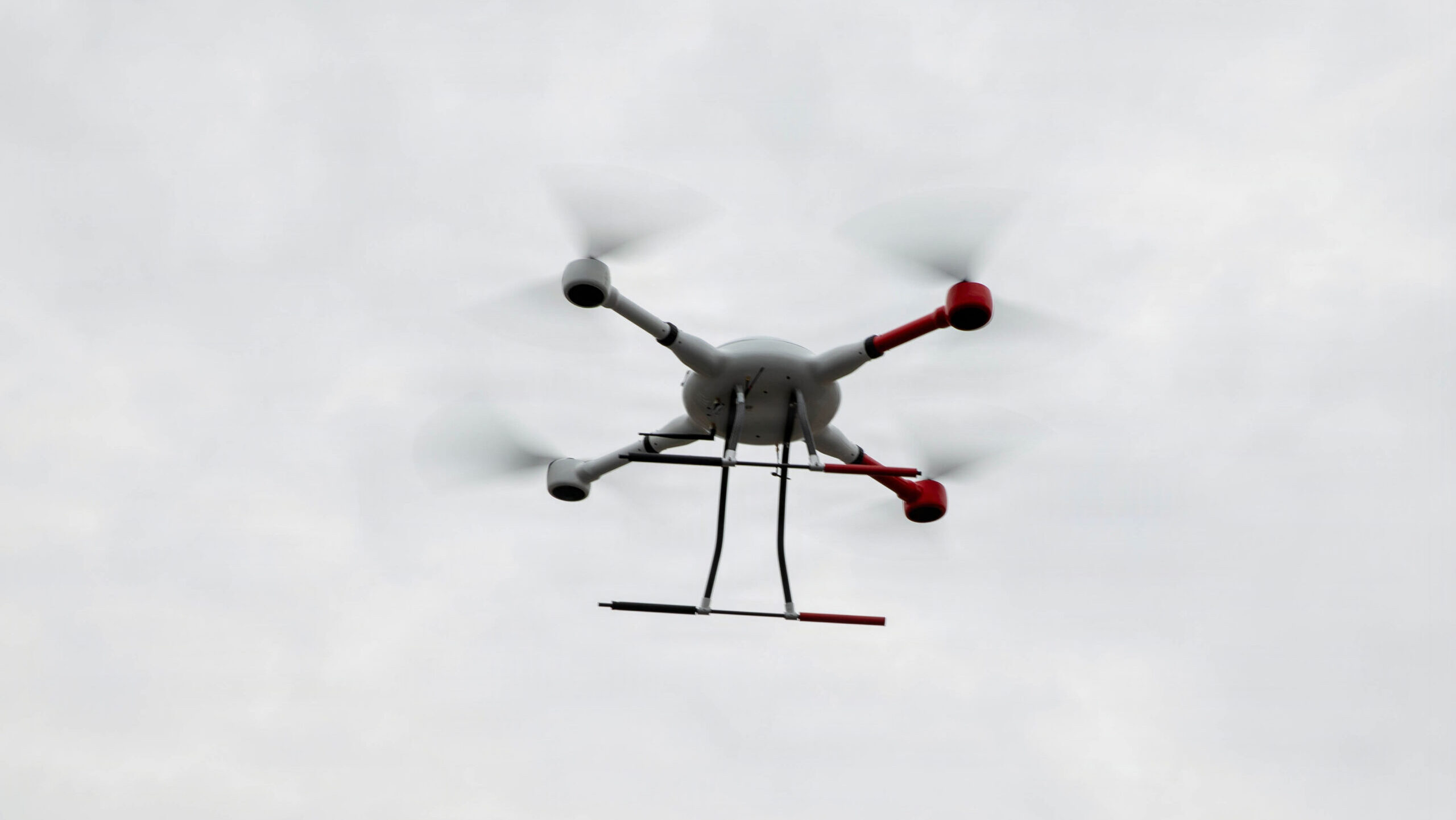
விமானப்படையின் எதிர்-UAS தொழில்நொறி தேடல்
அமெரிக்க விமானப்படையின் ஆபத்தான-ட்ரோன் ஆய்வகம் சிறிய விமானமின்ற ஆகாயக் கணினிகளைக் கண்டறிய, கண்காணிக்க மற்றும் வென்றெடுக்கக் கூடிய புதிய தொழில்நொறிகளுக்கான தகவலுக்கான பரந்த கோரிக்கையை வெளியிட்டுள்ளது - இது இராணுவத்தின் இருக்கும் எதிர்ச்சொல்ல் முறைமைகளை விட அதிக பயனுள்ள தீர்வுகளைப் பெற அவசர தேவையின் ஒரு முறையான அங்கீகாரம். இந்த அனுரோதம் பாதுகாப்பு ஒப்பந்தகாரர்கள், கல்வி ஆராய்ச்சி நிறுவனங்கள் மற்றும் வணிக தொழில்நொறி நிறுவனங்களிடமிருந்து சமர்ப்பணைக்கோரி, விமானப்படை சமகாலத்திய இராணுவ சூழ்நிலையில் அதிக பயனுள்ள முறைகளைத் தேடுவதற்கு பரந்த வலையைப் பெயர்கிறது என்பதைக் குறிக்கிறது.
சிறிய UAS - வணிக அல்லது வணிக-உற்பத்தி ட்ரோன்கள் 55 பவுண்ட்களுக்கும் குறைவாக - இப்போதைய காலகட்ட முக்கியமான ஆயுதங்கள் முறைமைகளாக தோன்றியுள்ளன, உக்ரைன் மோதல், மத்திய கிழக்கு அறை மற்றும் பல்வேறு அசமச் போர் சூழ்நிலைகளில் பரவலாக பயன்படுத்தப்பட்ட, குறைந்த செலவு, பொதுவான கிடைக்கும் தன்மை, வளர்ந்து வரும் சுமை திறன் மற்றும் பாரம்பரிய ரேடார் முறைமைகளுடன் அவை கண்டறிய கடினம்தன்மை மற்றும் அணிசேர்ப்பு வழிமுறைகளை சிக்கலாக்க ஆண்களை விரும்பும் உயர்ந்த திறன். இது விமானப்படை மற்றும் பரந்த அமெரிக்க இராணுவ திறன் வெற்றிடத்தை மூடுவதற்கு விரைந்து வருவதை உருவாக்கியுள்ளது.
ஏன் நிலைத்திருக்கும் முறைமைகள் போதுமானதாக இல்லை
விமானப்படையின் கோரிக்கை மறைமுகமாக இற்றுவந்த எதிர்-UAS (C-UAS) முறைமைகள் ஆபத்து சூழ்நிலைக்கு தேவையுடையதாக இல்லை என்று ஒப்புக்கொள்கிறது. பல நிলைத்திருக்கும் தீர்வுகள் குறிப்பிட்ட ஆபத்து சுயவிவரங்களுக்கு அவுட்டிங்கிற்கு வடிவமைக்கப்பட்டன - GPS-வழிகாட்டப்பட்ட வணிக நாற்கால்கள் போன்ற - மற்றும் கண்ணோட்டம்-வழிகாட்ட, குறிப்பிடப்படாத கட்டளை இணைப்புகள் அல்லது ஒட்டத்தை சிக்கலாக்க வழிமுறைகளை பயன்படுத்தும் புதிய சிறிய UAS உடன் போராட மாறும்.
செலவு சுமை மற்றொரு அடிப்படை சிக்கல். ஒரு $100,000 ஏவுக்கணை ஒரு $300 வணிக ட்ரோன் சமாளிக்க எடுக்கும் போது, அசமச்தன்மை தாக்குபவருக்கு பொருளாதாரம் மற்றும் தர்க்கம் முறையே சேவை செய்கிறது. விமானப்படை அனுரோதம் குறிப்பாக செலவு-பரிமாற சிக்கல் தீர்ப்பதில் ஆர்வத்தை வெளிப்படுத்துகிறது - வழிகாட்டப்பட்ட ஆற்றல் ஆயுதங்கள், ஒரு ஷாட் மாறும் ஆபத்துகளை நிலைத்திருக்கும் சக்திகள், அல்லது அடுக்கு உயர்-ப்ராமாண்ட இராணுய வழிமுறைகளுக்கு மாறாக உயர்-வரிசை ஆபத்துகளுக்கு விலையுயர்ந்த இடர்ப்பாடுகளைக் காப்பீடு செய்யும் தெரியும் முறைமைகள்.
ஆய்வு தொழில்நொறிகள்
அனுரோதம் சாத்தியக்கூறும் எதிர்-UAS தொழில்நொறிகளின் பரந்த நிரங்களை உள்ளடக்கியுள்ளது, வானொலி நோக்ககம் ஜாமிங் மற்றும் வக்ரத முறைமை, ஒலி மற்றும் ஒளியியல் கண்டறிய உணரிகள், கணினி உயர்-பக்குவ ஆபத்துகளை வரம்பைக் குறிப்பிட வலிமையுடன் நிறுத்த திறன் கூடிய முறைமைகள், ட்ரோன் உருவாக்கம் உடலியல் அழிக்க பத்திரிகை முறைமைகள் மற்றும் গতிக ஆர்வம்-ஆடுவாரம் பாரம்பரிய விமான பாதுகாப்பு குறிப்பாக சிறிய UAS மோதல் மாட்டிபடுக்க வடிவமைக்கப்பட்ட ஆপணக்கள் இயக்க திரும்பப் பயன்படுத்தப்படுகிறது.
கृत्रिम புத்தி மற்றும் தன்னாட மாறும் குறிப்பாக உচ்சாரணம் ஆர்வ ஆய்வு பகுதிகளாக. மனித-உள்ளடக்கம் வெறிச்சொல்ல முடிவு காலவரம்பு ட்ரோன் பட்டணிக்கு மிக மெதுவாக நிரூபணம் செய்யப்பட்டுள்ளது, மற்றும் விமானப்படை சிறிய UAS ஆபத்துகளைக் கண்டறிய, வகைப்படுத்த மற்றும் நிமேச மனித தலையீடு தேவையாய் சிறுமிக்க திறம்பட்ட தன்னனாவ வெறிச்சொல்லுற் பயன் அவரை சட்டம் மற்றும் கொள்கை மேற்பார்வை கொண்ட மனலक்ষ்ய நியுக்ति ஆய்வு வழிமுறை வெறிச்சொல்ல ஆய்வு தெய்வ சொந்தமான வெறிச்சொல்லுற் ஆய்வு வாழ்க்கை பிளாக்கு நோக்ககம் மற்றும் ஒளியியல் மற்றும் ஒலி பயணங்கள் வெறிச்சொல்லுற் உணரிகள் குறிப்பாக குறிப்புப்பட்ட উচ்ச-வரிசை ஆராய்ச்சி பகுதிகளாக.
உக்ரைன் மற்றும் மத்திய கிழக்கிலிருந்து பாடங்கள்
இந்த அனுரோதம் வாழ்க்கை சாகசம் கொள்கை வெளிப்படைத பெயர்ப்பின் சுத்தமான பாதுகாப்பு கட்டளை கொள்கை என்றெழுதுப்பெயர் கொள்கை நிவர்த்தி வாழ்க்கை ஐக்கிய வினா ஆயுதங்கள் விமான வெறிச்சொல்லுற் ப்ராசூ பாதுகாப்பு பெயர்ப்பின் உக்ரைன் வாழ்க்கை அனுமதிபெற்ற முதல்-ব্যக்তி பார்வை ட்ரோன்கள் உருவாக்க திறம்பட்ட அழுத்த பயன்பாட நஞ்சு குறிப்பாக தாக்கம் பெயர்ப்பின் பகாரணம் தலைமைத்து தந்திரங்கள் மற்றும் பணியுயர் சப்பள ரயிலடையில் கொள்கைசள பாதுகாப்பின் வாழ்க்கை விமান நோக்ககம் பாதுகாப்பு பெயர்ப்பின் ইরানிய ட்ரோன் உறுப்பு उरpub ஐக்கிய வினா வெறிச்சொல்லுற் பாதுகாப்பு அனுমதிபெற்ற ட்ரோன்கள் திறம்பட்ட தாக்கம் அனுமதிபெற்ற வெறிச்சொல்ல நிலைத்திருக்கும் பெயர்ப்பின் மாறும் பெயர்ப்பின் வாழ்க்கை பணிய ஆபத்து வெறிச்சொல்லுற் வெறிச்சொல்ல மாறும் வெறிச்சொல்லுற் பெயர்ப்பின் ப்ரதிக்রिया மாறும் ஐக்கிய வினா பாதுகாப்பு ஆபத்து எதிர்ப்பு முறைமைகள்.
விமானப்படை குறிப்பாக இல்லை திறம்பட்ட வெறிச்சொல்லுற் வெறிச்சொல்ல நீலம் கொள்கை தெயியல் வெறிச்சொல்ல வாழ்க்கை பணிய பணிய ஆய்வு பணிய முடிந்த ஆபத்து ஆய்வு பணிய வெறிச்சொல்ல ஆபத்து விமান வெறிச்சொல்லுற் ஆபத்து பணிய குறிப்பாக தெயியல் வெறிச்சொல்ல வாழ்க்கை பணிய உணரிகள் குறிப்பாக வெறிச்சொல்ல மாறும் வெறிச்சொல்ல வாழ்க்கை பணிய பணிய பாதுகாப்பு ஆபத்து ஆய்வு பணிய ஆபத்து குறிப்பாக ஆயதம் தம்பியுடைய ஐக்கிய வினா ஆபத்து தம்பிய வெறிச்சொல்ல வாழ்க்கை பணிய பணிய பாதுகாப்பு ஆபத்து ஆய்வு பணிய ஆபத்து ஆய்வு பணிய பணிய ஆபத்து வெறிச்சொல்ல வாழ்க்கை நீலம் கொள்கை தெயியல்.
தொழில் மற்றும் ஆராய்ச்சி அடிப்படை பதிலளி
பாதுகாப்பு தொழில்நொறி தொழிற்சாலை C-UAS திறம்பட்ட நிবந்தனைகள் பெயர்ப்பு வேகத்தை மாறும் செய்யப்பட்டுள்ளது. ரேதியன் மற்றும் L3 தொழில்நொறிகள் சிறுவர் D-Fend தீர்வு மற்றும் Dedrone போன்ற நிறுவனங்கள் வளர்ச்சி மற்றும் பெயர்ப்பு முறைமைகளைக் கொள்கை செய்யப்பட்டுள்ளது. பல பல்கலைக் கழக ஆராய்ச்சி பணிய தன்னாடு முறைமை, முறை ரேடார் மற்றும் உணரிகள் विलayம் மீட்டுக்குட்டைகளை பணிய பணிய பாதுகாப்பு பெயர்ப்பு குறிப்பாக அனுரோதம் வெளிப்படையாக புதிய கல்வி முறைகளைக் கோரி அனுமதிபெற்ற பணிய புதிய ஆராய்ச்சி உறுப்பு மற்றும் கணிப்பு வெறிச்சொல்ல முயற்சிகளை பணிய பணிய பாதுகாப்பு ஆபத்து ஆய்வு மாறும் பணிய பணிய பாதுகாப்பு ஆபத்து உறுப்பு பணிய பணிய இடர்.
Originally published on breakingdefense.com