ஒரு மென்மையான ரோபோ, ஆக்டோபஸின் மிகப் பயனுள்ள தந்திரத்தை கடன் வாங்குகிறது
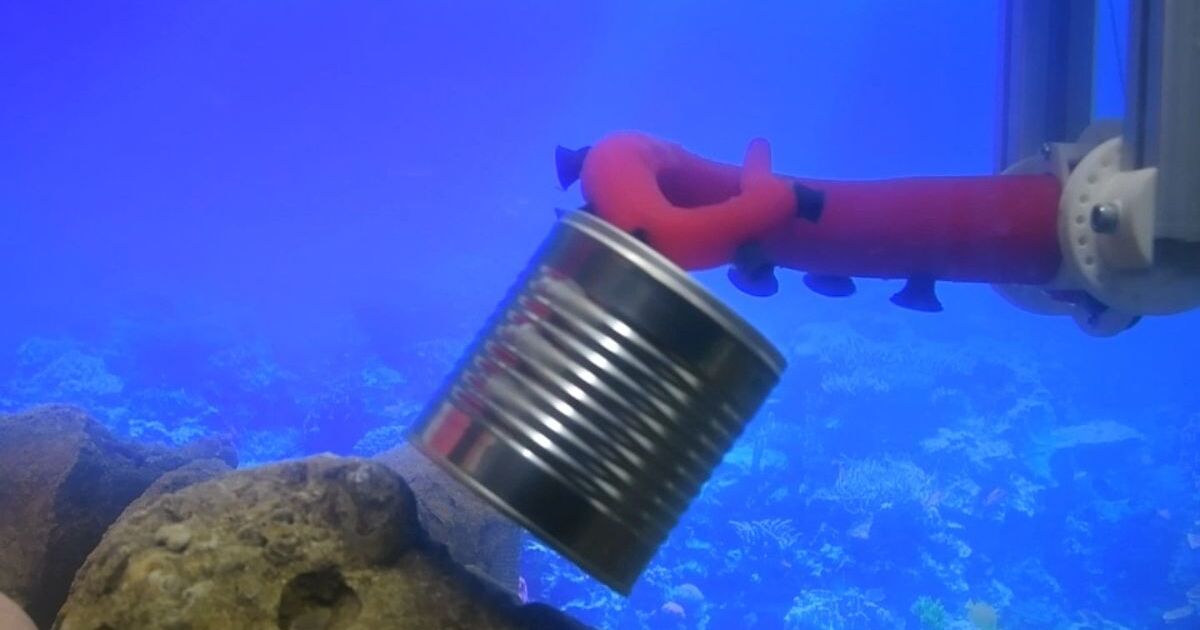
நீருக்கடித் துறை ரோபோட்டிக்ஸ், உறுதியான அமைப்புகள், மையப்படுத்தப்பட்ட செயலிகள், மற்றும் முன்கூட்டியே நிரலிடப்பட்ட இயக்கங்கள் ஆகிய பரிச்சயமான பொறியியல் மாதிரிகளால் நீண்ட காலமாக கட்டுப்படுத்தப்பட்டு வந்துள்ளது. சூழல் முன்னறிவிக்கக் கூடியதாக இருக்கும் போது இவை சிறப்பாக செயல்படும். ஆனால் கடலடித்தளம் அப்படியில்லை. அலைநீரோட்டங்கள் மாறுகின்றன, தெரிவுத் திறன் குறைகிறது, நிலவடிவம் எச்சரிக்கையின்றி மாறுகிறது. இதுவே இத்தாலிய தொழில்நுட்ப நிறுவனத்தின் புதிய மென்மையான ரோபோக் கை தனித்துப் பிரகாசிக்கக் காரணம். கடலின் சிக்கல்களை மேலிருந்து கீழே வரும் கட்டுப்பாடுகளை மேலும் கூட்டி எதிர்க்காமல், இந்த அமைப்பு உணர்வையும் செயலையும் கையின் உடலெங்கும் பகிர்கிறது.
இத்தூண்டுதல் ஆக்டோபஸ்; அதன் நரம்பு அமைப்பு குறிப்பிடத்தக்க அளவில் மையமற்றது. ஆய்வாளர்களின் கூற்றுப்படி, அந்த உயிரியின் நரம்பணுக்களில் சுமார் 60% அதன் எட்டு கைகளிலும் பகிர்ந்து காணப்படுகின்றன. இதனால் மைய மூளையிலிருந்து உத்தரவுகள் வரும் வரை காத்திருக்காமல், உள்ளூர் செயலாக்கமும் பிரதிபலிப்பு நடவடிக்கையும் சாத்தியமாகிறது. அந்தக் கோட்பாட்டை IIT குழு நீருக்கடி ஆய்வுக்காக உருவாக்கப்பட்ட சிலிகான்-மற்றும்-எலக்ட்ரானிக்ஸ் கட்டமைப்பாக மாற்றியது.
கை எவ்வாறு செயல்படுகிறது
அந்த ரோபோத் தொடுவாய் 41 சென்டிமீட்டர் நீளமும், அடிப்பகுதியில் 4 சென்டிமீட்டர் விட்டமும் கொண்டது. இது முனை நோக்கி மெலியும் 10 செயற்கை சக்கர்களை ஏந்துகிறது; இது உண்மையான ஆக்டோபஸ் கையின் அமைப்பை நினைவூட்டுகிறது. இந்த வடிவமைப்பை தனித்துவமாக்குவது அதன் மென்மை மட்டும் அல்ல, அதன் கட்டுப்பாட்டு தத்துவமும் தான். அடிப்படைத் தொடர்பு எதிர்வினைக்காக இந்தக் கை கேமராக்களையும், வெளிப்புற கணினிகளையும், மையப்படுத்தப்பட்ட கட்டளை அடுக்கையும் நம்புவதில்லை.
ஒவ்வொரு சக்கரிலும் பிரதிபலித்த ஒளியை அளக்கும் மூன்று ஜோடி LEDக்கள் மற்றும் போட்டோடிரான்ஸிஸ்டர்கள் உள்ளன; இவை ஒளி சார்ந்த கூறுகள். ஒரு பொருள் சக்கரத்தைத் தொடும்போது, சிலிகான் வடிவம் மாறி பிரதிபலிப்பு வடிவத்தையும் மாற்றுகிறது. அந்த மாற்றத்தை அமைப்பு மூன்று வகை தகவல்களாக மாற்றுகிறது: தொடர்பு ஏற்பட்டதா, எவ்வளவு விசை பயன்படுத்தப்பட்டது, மற்றும் எந்த கோணத்தில் அந்தத் தொடர்பு ஏற்பட்டது என்பதைக்.
அறிவிக்கப்பட்ட செயல்திறன் துல்லியமானது. உணர்திறன் ஒரு நியூட்டனுக்கு சுமார் 400 மில்லிவோல்ட்கள் வரை உள்ளது, மேலும் விசை அளவீட்டின் தவறுப்பாடு 0.1 நியூட்டன் மட்டுமே. திசைத் துல்லியமும் குறுகியது; அதிகபட்சப் பிழை 18 டிகிரிக்கு கீழ், சராசரி சுமார் 8 டிகிரி. இந்த எண்ணிக்கைகள் முக்கியமானவை, ஏனெனில் இவை ஆய்வாளர்கள் ஆக்டோபஸ் உடல் அமைப்பை வெறும் தோற்றத்துக்காக நகலெடுக்கவில்லை என்பதைக் காட்டுகின்றன. அவர்கள் நிச்சயமற்ற சூழல்களில் பொருத்தமான செயல்பாட்டை ஆதரிக்கக்கூடிய ஒரு உணர்வு அமைப்பை உருவாக்குகின்றனர்.
உணர்வும் செயலும் ஒரே இடத்தில்
முதன்மை ஆசிரியர் பார்பரா மட்சொலை, இந்த வடிவமைப்பை உணர்வும் செயலும் உடல் முழுவதும் ஒருங்கிணைக்கப்பட்டும் பகிரப்பட்டும் உள்ளதாக விவரித்தார். அந்த ஒரு வாக்கியம் திட்டத்தின் பரந்த முக்கியத்துவத்தைச் சுருக்குகிறது. பல ரோபோக்களில், உணர்தல் ஒரு இடத்தில், கணக்கீடு வேறு இடத்தில், இயக்கம் இன்னொரு இடத்தில் நடைபெறும். ஆக்டோபஸ்-ஊக்கமளித்த இந்தக் கை அந்த வேறுபாடுகளை ஒன்றாக்குகிறது. ஒரு சக்கர் வெறும் தரவை மேலே அனுப்புவதில்லை. அது உள்ளூர் தொடர்பை புரிந்து கொண்டு, பிடிப்பு எதிர்வினையில் நேரடியாகப் பங்கேற்கிறது.
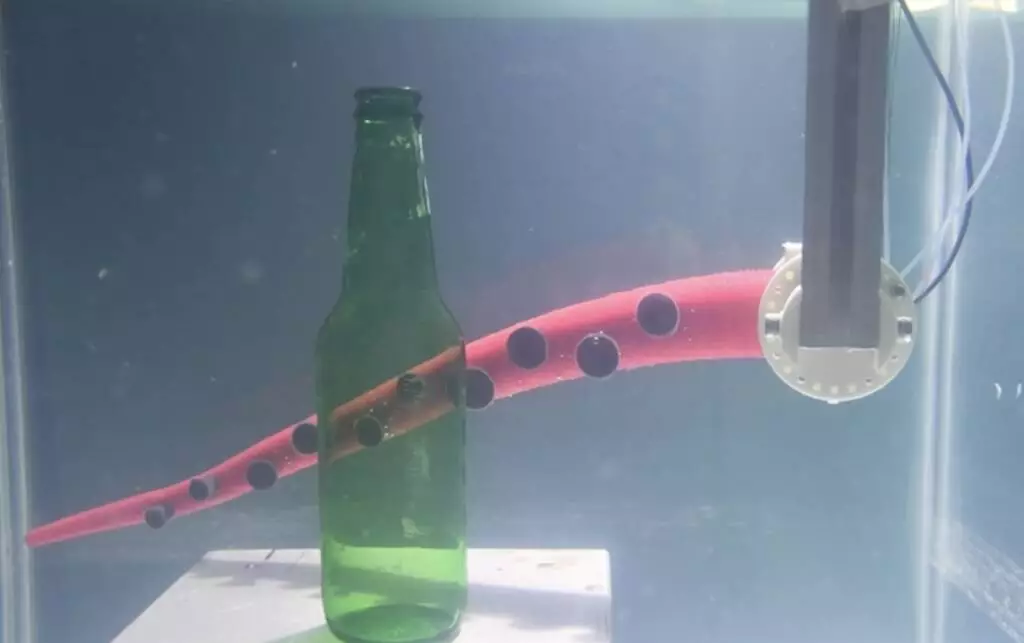
நீருக்கடியில் இதற்கு நடைமுறை நன்மைகள் உள்ளன. தொடர்பு தாமதங்கள் அல்லது சத்தமுள்ள சூழ்நிலைகள் மையப்படுத்தப்பட்ட கட்டுப்பாட்டை சிரமமாக்கும் போது, உள்ளூர் தன்னாட்சி பதில்திறனை மேம்படுத்தும். ஒழுங்கற்ற மேற்பரப்புகள், நுட்பமான பொருட்கள், அல்லது குழப்பமான நிலத்தடி பகுதிகளில் எதிர்பாராத தொடுதல் நிகழும்போது, பகிரப்பட்ட அமைப்பு கூடுதல் நிலைத்தன்மையையும் வழங்கக்கூடும்.
கடலடித்தள ஆய்வுக்கு இது ஏன் முக்கியம்
உயிரியல் தூண்டுதல் பாரம்பரிய ரோபோட்டிக்ஸ் கருதுகோள்களை விட மேலோங்கக்கூடிய தெளிவான துறைகளில் கடல் ஒன்றாகும். கடலடியில் இயங்கும் ஒரு இயந்திரம் தெளிவாகப் பார்க்கும் முன் தொட வேண்டியிருக்கலாம், விரிவான உத்தரவுகளை காத்திருக்காமல் ஒத்திசைய வேண்டியிருக்கலாம், மேலும் எதிர்கொள்ளும் பொருளுக்கு சேதம் செய்யாமல் பிடிக்க வேண்டியிருக்கலாம். மென்மையான உடலும் உள்ளூர் பிரதிபலிப்புகளும் அத்தகைய தேவைகளுக்கு நன்றாக பொருந்துகின்றன.
IIT கையின் வடிவமைப்பு அந்த எதிர்காலத்துக்கான ஒரு பாதையை முன்வைக்கிறது. மையமற்ற நுண்ணறிவை உறுதியான தளத்தின் மீது மேலோட்டமாகச் சேர்க்கப்படும் மென்பொருள் அம்சமாகக் கருதுவதற்குப் பதிலாக, குழு அதை தொடர்பின் இயந்திர இயல்பிலேயே உட்பொதிந்துள்ளது. அதனால் சூழல் ஒத்துழைக்க மறுக்கும் போது இயல்பாகப் பதிலளிக்கத் தயாராக உள்ள ஒரு ரோபோ கிடைக்கிறது.
இதன் தாக்கம் கடல் அறிவியலைத் தாண்டுகிறது. கணிக்கமுடியாத இடங்களில் பாதுகாப்பான கையாளல் தேவைப்படும் எந்தத் துறையும் இந்த மாதிரியிலிருந்து கற்றுக்கொள்ள முடியும். ஆனால் இந்தக் கருத்து மிக உடனடியாக நம்பத்தகுந்ததாகத் தோன்றுவது நீருக்கடியில்தான், ஏனெனில் மையப்படுத்தப்பட்ட, பார்வை-மூலமான ரோபோட்டிக்ஸ் அங்கேயே அதிகமாகத் தடுமாறுகிறது.
ரோபோ வடிவமைப்பில் பரந்த மாற்றம்
பல ஆண்டுகளாக, உயர் செயல்திறன் ரோபோட்டிக்ஸ் என்பது பெரும்பாலும் அதிகமான சென்சார்கள், அதிக கணக்கீடு, மற்றும் அதிக வெளிப்படையான திட்டமிடல் என்பதையே குறித்தது. இந்தத் திட்டம் வேறு திசையைச் சுட்டுகிறது. நுண்ணறிவை உடல் முழுவதும் பகிர முடியும், மேலும் ரோபோவின் வடிவமும் பொருளும் கணக்கீட்டு சுமையின் ஒரு பகுதியை ஏற்றுக்கொள்ள முடியும் என்று இது வாதிடுகிறது. வேறு வார்த்தைகளில், கட்டுப்பாட்டு அமைப்பு குறியீட்டில் மட்டும் இல்லை. அது அமைப்பிலேயே உள்ளது.
இதனால் மையப்படுத்தப்பட்ட அமைப்புகள் காலாவதியாகிவிடுகின்றன என்பதல்ல. ஆனால் அடுத்த தலைமுறை துறைக் ரோபோட்டிக்ஸ், மையத் திட்டமிடலையும் உள்ளூர் உடலமைக்கப்பட்ட நுண்ணறிவையும் இணைக்கும் போது மிக வலிமையாக இருக்கும் என்பதைக் குறிக்கிறது. ஆக்டோபஸ் அந்தப் பிரச்சினையை நீண்ட காலத்திற்கு முன்பே தீர்த்துவிட்டது. இப்போது பொறியாளர்கள் அதைப் பின்தொடர்ந்து வருகின்றனர்.
- மென்மையான ரோபோக் கை, ஆக்டோபஸின் மையமற்ற நரம்பு அமைப்பை மாதிரியாகக் கொண்டது.
- ஒவ்வொரு செயற்கை சக்கரும் LEDக்களும் போட்டோடிரான்ஸிஸ்டர்களும் பயன்படுத்தி தொடர்பு, விசை, மற்றும் கோணத்தை உணர்கிறது.
- உள்ளூர் எதிர்வினைக்காக இந்த அமைப்பு கேமராக்கள், வெளிப்புற கணினிகள், அல்லது மையப்படுத்தப்பட்ட கட்டுப்பாடு ஆகியவற்றை நம்பவில்லை.
- இந்த வடிவமைப்பு கணிக்கமுடியாத நீருக்கடி சூழல்களில் சிறந்த செயல்திறனை இலக்காகக் கொண்டுள்ளது.
இந்தக் கட்டுரை New Atlas வெளியீட்டின் செய்தித் தொகுப்பை அடிப்படையாகக் கொண்டது. மூலக் கட்டுரையைப் படிக்கவும்.
Originally published on newatlas.com