மாசுபொருளை ரோபோக்களாக மாற்றுதல்
ஒவ்வொரு ஆண்டும் பெட்ரோலிய சுத்திகரணம் பல்லாயிரம் மெட்ரிக் டன்கள் elemental sulfur ஐ ஒரு பக்க விளைபொருளாக உற்பத்தி செய்கிறது. இந்த sulfur ஐ பெரும்பாலும் சுத்திகரணக் நிலையங்களுக்கு அருகில் மிகப்பெரிய தொகுதிகளாக சேமிக்கப்படுகிறது அல்லது உரமுற்பத்திப் போன்ற குறிப்பிட்ட தொழிற்சாலைப் பயன்பாடுகளுக்குப் பயன்படுத்தப்படுகிறது. இது எண்ணெய் தொழிற்சாலையின் மிகவும் வெளிப்படையான கழிவு மேலாண்மைப் பிரச்சினைகளை குறிக்கிறது.
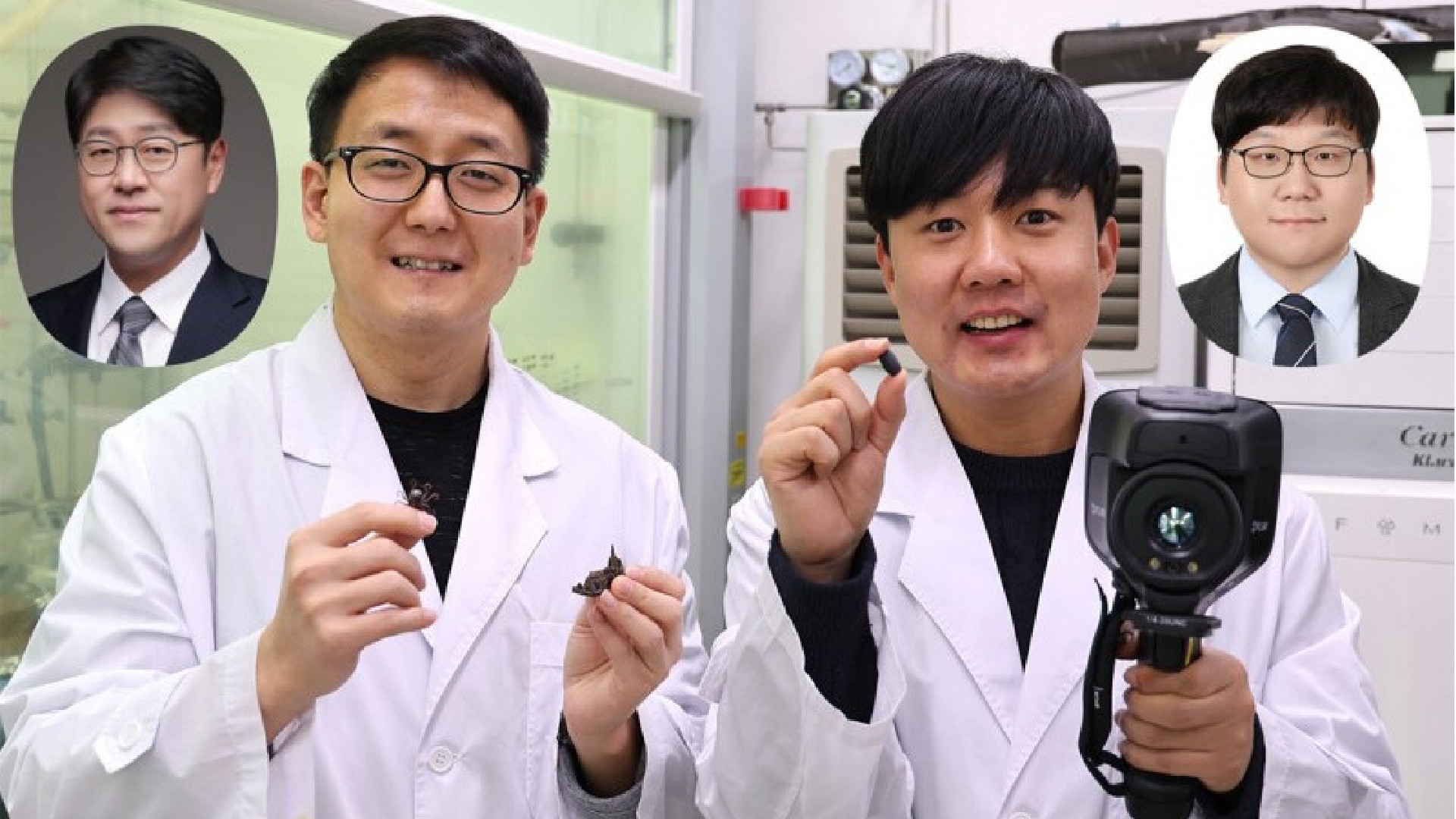
ஒரு கொரிய ஆராய்ச்சி குழு இந் தொழிற்சாலைக் கழிவை சுயசஞ்ചாரக், முழுவதுமாக மறுசுழற்சி செய்யக்கூடிய soft robots ஆக மாற்றுவதற்கான வழியைக் கண்டுபிடித்துள்ளது. முதல் முறையாக நிரூபிக்கப்பட்ட 4D printing முறையைப் பயன்படுத்தி, Korea Research Institute of Chemical Technology இலிருந்த Dr. Dong-Gyun Kim, Hanyang University இலிருந்த Professor Jeong Jae Wie, மற்றும் Sejong University இலிருந்த Professor Yong Seok Kim ஆகியோரால் தலைமைத் தொகுதிப்பட்ட குழு, நிலைத்தன்மை மற்றும் அত்याधुनिक robotics ஆகியவற்றை எதிர்பாராத வகையில் ஒன்றிணைக்கும் பொருளின் புதிய வகையை உற்பத்தி செய்துள்ளது.
4D Printing என்றால் என்ன?
நிலையான 3D printing நிலையான பொருள்களை உற்பத்தி செய்கிறது — printing செயல்முறை முடிந்த பிறகு வடிவங்கள் நிர்ணயிக்கப்படுகின்றன. 4D printing ஒரு நான்கு பரிமாணத்தைச் சேர்க்கிறது: நேரம். 4D printing மூலம் உருவாக்கப்பட்ட பொருள்கள் உற்பத்திக்குப் பின்புவரும் குறிப்பிட்ட சுற்றுச்சூழல் தூண்டுதல்களுக்கு ஆளாகும் போது தங்கள் வடிவம், கட்டமைப்பு அல்லது பண்புக்கூறுகளை மாற்றும் வகையில் வடிவமைக்கப்பட்டுள்ளது. இதன் விளைவாக, printed பொருள் முடிக்கப்பட்ட பொருளாக இல்லை ஆனால் ஒரு programmed பொருளாக செயல்படுகிறது, அது தன் சுற்றுச்சூழலுக்குப் பதிலுறுத்தி இயக்கபடுகிறது.
கொரிய குழு poly(phenylene polysulfide) networks அல்லது PSN என்ற sulfur-rich polymer ஆ புதிய வகையைப் பொறியாளத்து மூலம் இது சாத்தியமாக்கியுள்ளது. இந்த polymers elemental sulfur மற்றும் சிறிய aromatic molecules களிலிருந்து inverse vulcanization என்ற ஒரு வேதிய எதிர்வினை மூலமாக synthesize செய்யப்படுகின்றன — இது sulfur ஆ் நிலையற்ற, crystalline வடிவத்தை ஒரு நிலையான, amorphous polymer க்கு மாற்றுகிறது programmable mechanical properties களுடன்.

ரோபோக்கள் எவ்வாறு நகரும்
PSN பொருள்கள் stimuli-responsive — அவை வெளி தூண்டுதல்களுக்கு ஆளாகும் போது தங்கள் உடல் பரிமாணங்கள் அல்லது mechanical behavior ஐ மாற்றுகின்றன. குழு மூன்று வெவ்வேறு தூண்டுதல்களுக்குப் பதிலுறுத்தல் நிரூபித்துள்ளது: வெப்பம், ஒளி (photothermal conversion மூலம்), மற்றும் magnetic fields magnetic nanoparticles உடன் கலந்த போது.
4D-printed PSN கட்டமைப்புகளின் வடிவவியலை வடிவமைப்பு மூலமாக மற்றும் வெவ்வேறு பொருள் compositions ஐ அந் கட்டமைப்புகளுக்குள் எங்கே வைக்க வேண்டும் என்பதை தெளிவாக்குதல் மூலம், ஆராய்ச்சியாளர்கள் குறிப்பிட்ட deformation வரிசைகளைப் program செய்ய முடிகிறது — robot வெப்பமாக்கப்பட்டபோது வளைகிறது, குளிரப்படுத்தப்பட்டபோது நேரே செல்கிறது, ஒரு magnetic field பக்கமாக வளைகிறது. இந்த programmed mechanical behaviors, பொருளின் பெரிய, reversible deformation க்கான திறனுடன் கூடி, robot ஐ ஒரு பொருந்தக் கூடிய சுற்றுச்சூழலில் வைக்கப்பட்டபோது autonomous locomotion ஐ உற்பத்தி செய்கின்றன.
மறுசுழற்சி செய்ய முடிய்வின் சாதகம்
PSN-based soft robots ஆ மிகவும் வாணிज்ய மற்றும் சுற்றுச்சூழல் ரீதியாக குறிப்பிடத்தக்க பண்புக்கூறுகளில் ஒன்று அவற்றின் மறுசுழற்சி செய்ய முடிய்வு ஆகும். மாறாக conventional elastomers ஐப் பயன்படுத்தும் soft robotics க்கு, PSN networks dynamic covalent sulfur-sulfur bonds களை உள்ளடக்கியிருக்கின்றன, அவை பொருந்தமான நிலைகளில் cleaved மற்றும் reformed செய்ய முடிகிறது. ஒரு damaged அல்லது end-of-life PSN robot dissolved, reprocessed, மற்றும் reprinted செய்ய முடிகிறது, குறிப்பிடத்தக்க பொருள் loss இல்லாமல் — ஒரு genuinely circular பொருள் lifecycle.
ஒரு waste-derived feedstock மற்றும் ஒரு recyclable பொருள் lifecycle ஆ சேர்மையம் PSN platform க்கு ஒரு sustainability profile கொடுக்கிறது, advanced materials research ல் அசாதாரணமாக உள்ளது. பெரும்பாலும் high-performance பொருள்கள் rare அல்லது difficult-to-recycle components களை உள்ளடக்கியிருக்கின்றன; PSN approach performance ஐ ஒரு abundant waste stream இலிருந்து உருவாக்குகிறது மற்றும் அந்த பொருளை ஒரு recoverable வடிவத்தில் product lifecycle முழுவதிலும் பாதுகாக்கிறது.
சாத்தியமான பயன்பாடுகள்
Soft robotics — robots compliant, deformable பொருள்களால் built செய்யப்பட்டவை, rigid structures க்கு பதிலாக — conventional robots க்குப் பொருந்தாத பயன்பாடுகளில் பயன்பாடுகள் கொண்டுள்ளது. Minimally invasive medical devices அவை body cavities மூலம் navigate செய்கின்றன, grippers அவை delicate பொருள்களை சேதமின்றி handle செய்கின்றன, inspection robots அவை irregular confined spaces மூலம் pass செய்கின்றன, மற்றும் search-and-rescue robots அவை rubble மூலம் pass செய்ய deform செய்கின்றன அனைத்தும் active soft robotic development பகுதிகளாகும். PSN platform ஆ் autonomous responsiveness environmental stimuli க்குப் பதிலுறுத்தவும், அதன் recyclability மற்றும் waste-derived feedstock களுக்குகூட வேண்டிய, field க்கு ஒரு potentially significant contribution ஆக வைக்கப்பட்டுள்ளது.
இந் கட்டுரை Interesting Engineering ஐ reporting சார்ந்து based செய்யப்பட்டுள்ளது. அசல் கட்டுரையை படிக்கவும்.
Originally published on interestingengineering.com