The Versatility Promise and Its Complications
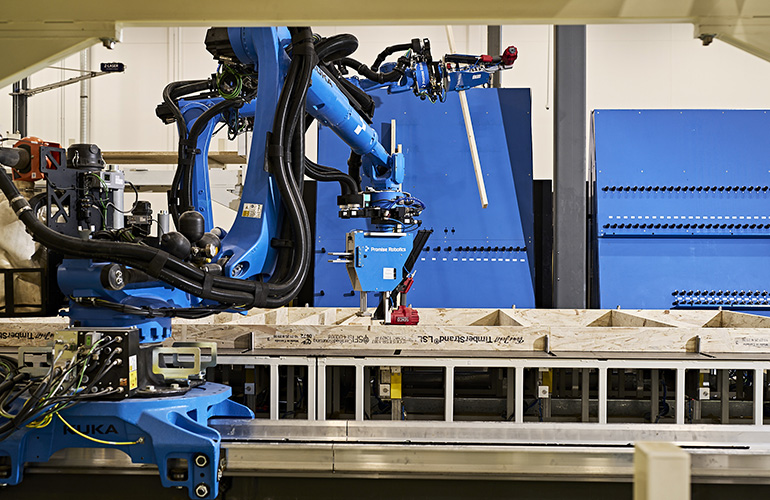
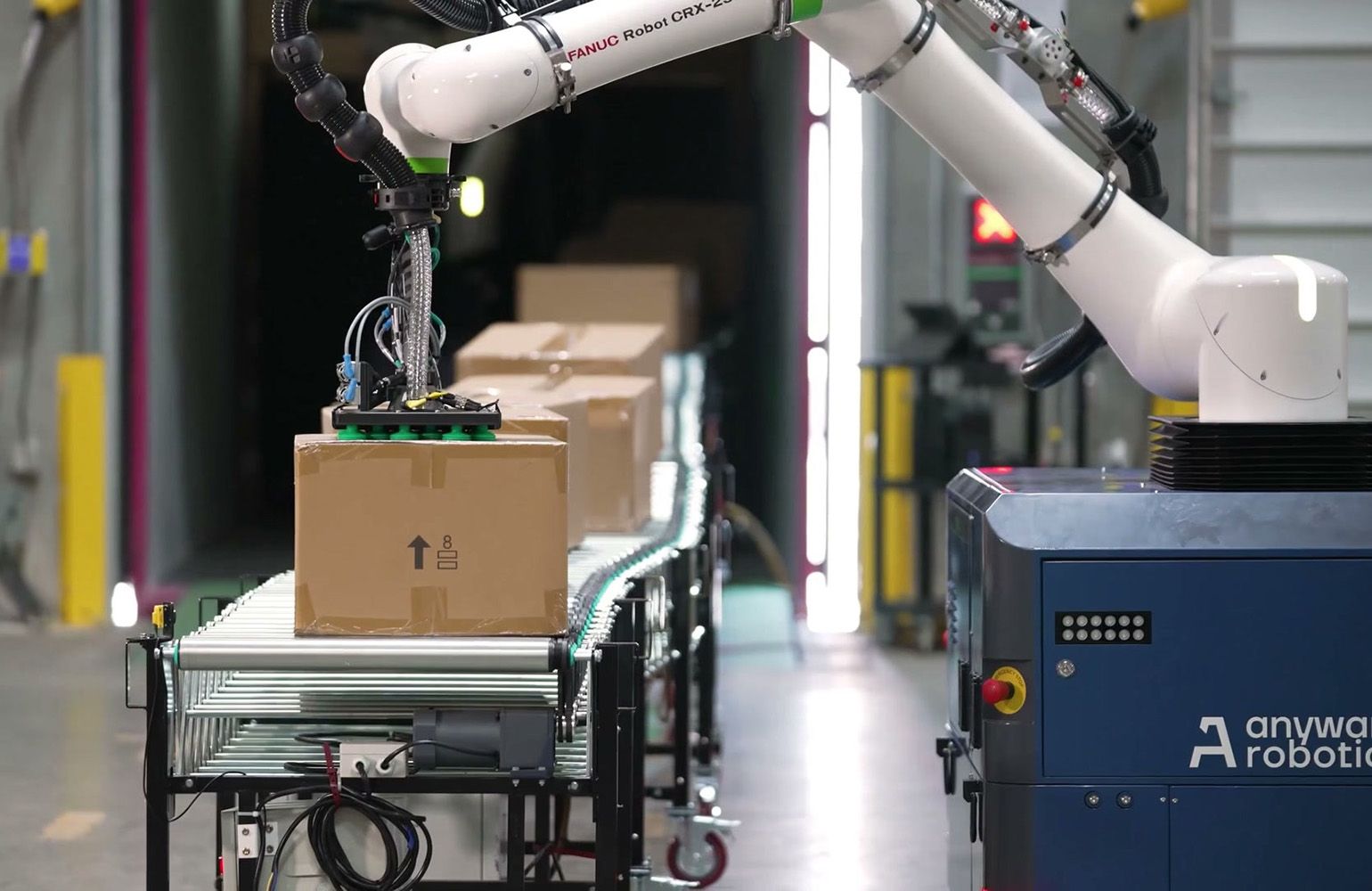
The central pitch of humanoid robotics is versatility. A robot shaped like a human can, in principle, operate in spaces designed for humans — factories, warehouses, hospitals, retail stores, and homes. Unlike specialized industrial robots optimized for a single task in a fixed installation, a humanoid robot could be redeployed across different tasks and environments, trained on new behaviors via software rather than requiring physical retooling.
That promise is compelling to investors and technology optimists. It is also, as an analysis from The Robot Report makes clear, precisely what makes commercialization difficult. Addressing multiple applications simultaneously requires breadth of development effort that strains even well-funded companies, while no individual application market is yet large enough to generate the deployment volume that would drive down costs to broadly accessible levels.
The Navigation Challenge
Humanoid robots must solve navigation in unstructured environments — spaces not designed for robot operation, where floors may be uneven, objects are placed unpredictably, and humans move in ways that require dynamic response. This is fundamentally different from the controlled environments where industrial robots have operated successfully for decades.
Current state-of-the-art humanoid systems have demonstrated impressive navigation capabilities in controlled demonstrations and limited pilot deployments. The gap between demonstration performance and the robustness required for continuous, unsupervised operation in real commercial environments remains significant. Falls, navigation failures in novel situations, and inability to handle unexpected obstacles are failure modes that are acceptable in research contexts but commercially problematic in environments where productivity losses are measurable.
Manipulation: The Hardest Problem
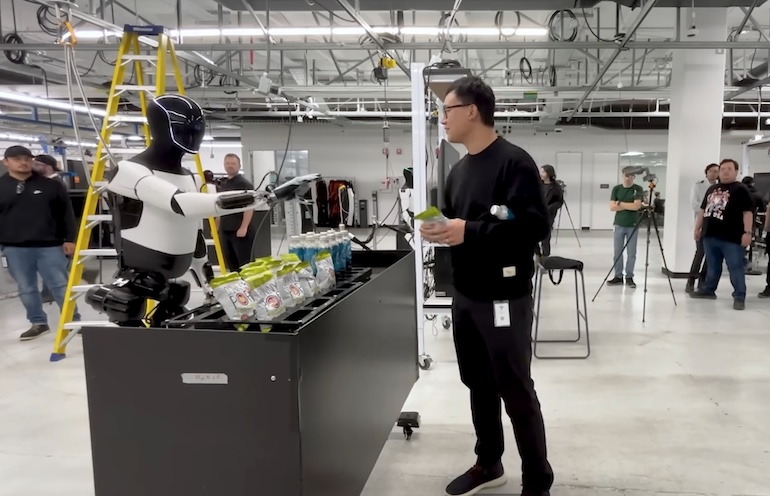
If navigation is difficult, manipulation is harder. The human hand, with its 27 degrees of freedom and exquisite sensory feedback, can grasp and manipulate objects of vastly varying shapes, sizes, textures, and weights with reliability and adaptability that robotic manipulation systems have yet to approach. For applications where robots must handle diverse objects — picking in e-commerce fulfillment, food preparation, assembly of complex products — manipulation capability is the binding constraint.
The most advanced humanoid systems are making real progress on this front. Dexterous hands with multiple articulated fingers, tactile sensing arrays, and manipulation policies trained through large-scale reinforcement learning and imitation from human demonstration are demonstrably more capable than anything available five years ago. But the benchmark for commercial deployment is not laboratory performance — it is reliable, error-free operation at production rates competitive with human labor. That benchmark remains ahead of current capability for most manipulation tasks.
Skills Learning and Transfer
The third development frontier is skills learning: how quickly a humanoid robot can acquire a new task, and how readily learned skills transfer across different robots, environments, and task variations. This is where the software-defined versatility promise is either fulfilled or falls short.
Current learning paradigms require substantial data collection, training compute, and human expert involvement to teach a robot a new task. The vision of a robot that can learn a new skill in hours from a handful of demonstrations — analogous to the way a human worker can be trained on a new task in a day — is directionally achievable but not yet reliably realized at production complexity. The emerging approach combining large pre-trained vision-language-action models with rapid fine-tuning on specific tasks shows promise, but the reliability and speed of skill acquisition in production conditions is an active research challenge.
The Market Development Challenge
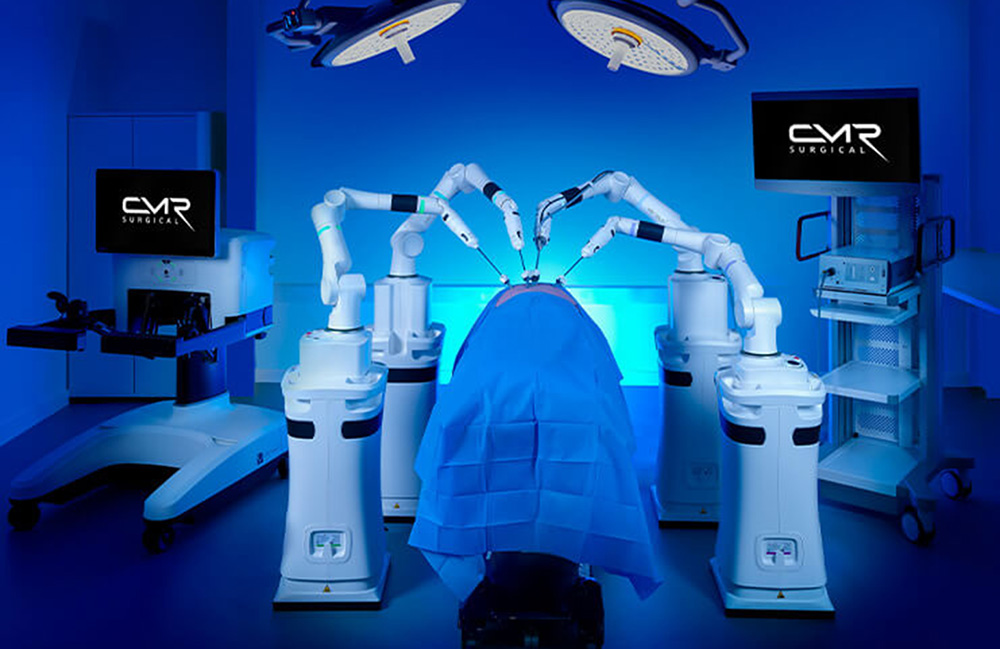
Beyond technical challenges, humanoid robotics companies face a market development challenge unique to genuinely new product categories. No established deployment playbook exists. Integrating humanoid robots into existing facilities requires safety protocols, workforce adaptation, regulatory compliance, and workflow redesign that are not yet standardized. Each early deployment is in some measure a custom engineering project rather than a product sale.
The companies that successfully navigate this transition — building repeatable deployment methodologies, training certified integrators, and accumulating the operational data that improves system performance — will create durable competitive advantages beyond their core robot hardware and software. The commercialization race in humanoid robotics is as much about building a deployment ecosystem as it is about the capabilities of individual systems, and the winners of that race may not be the companies building the most technically impressive robots.
This article is based on reporting by The Robot Report. Read the original article.
Originally published on therobotreport.com