The Biggest Space IPO in History
SpaceX is preparing for what could become the largest initial public offering the space industry has ever seen, with a potential valuation exceeding $1.5 trillion. The anticipated listing, which could take place as soon as this summer, is sending ripples through the investment community well before a single share trades on a public exchange. Industry dealmakers and venture capitalists are already gaming out the consequences -- and the picture is more nuanced than a simple rising-tide narrative.
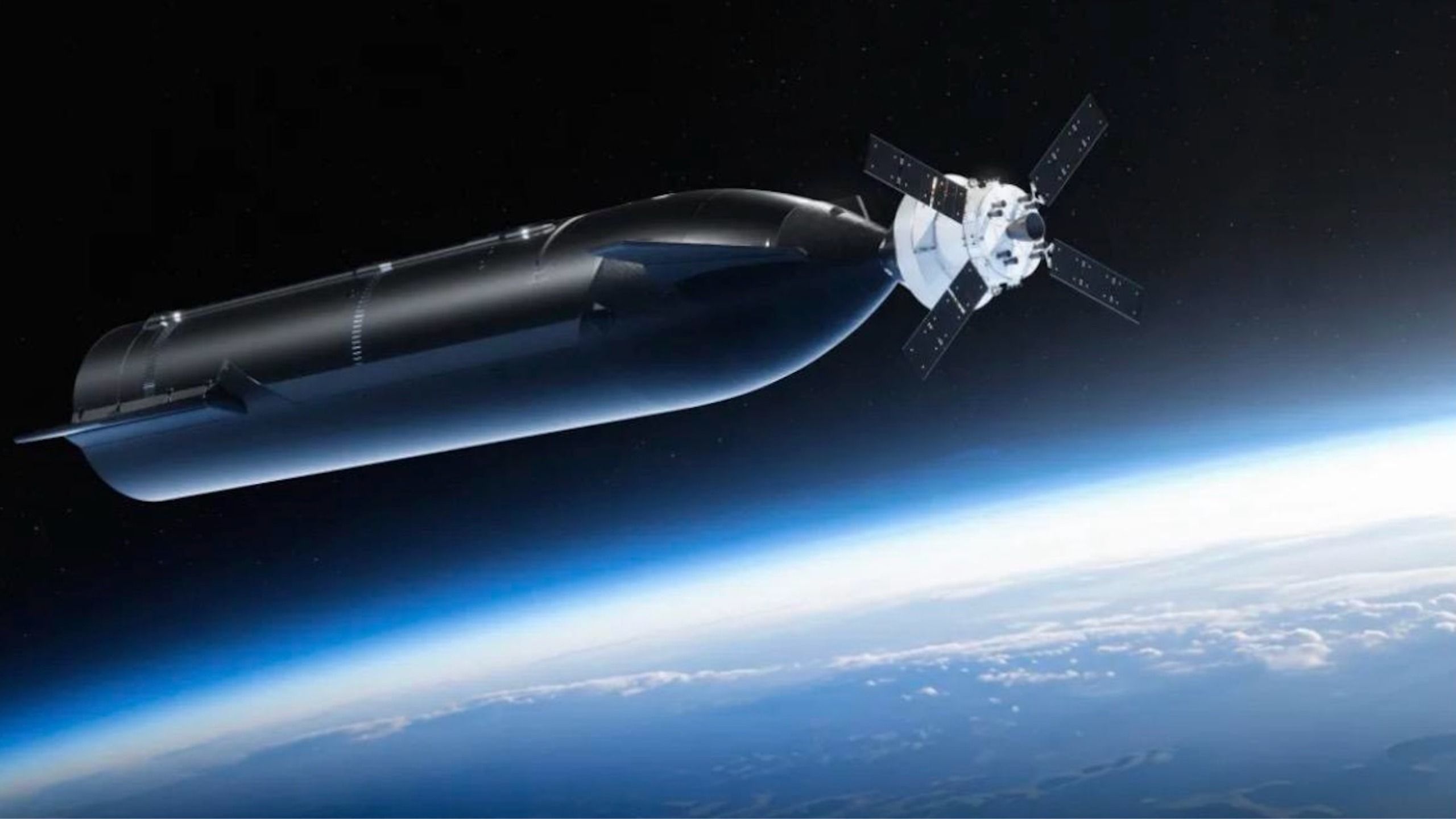
The sheer scale of the offering is difficult to overstate. SpaceX has spent more than two decades as a private company, building a business that spans launch services, satellite internet through Starlink, and deep-space exploration with the Starship program. A public listing would give institutional and retail investors their first direct access to what many consider the most consequential aerospace company since Boeing's mid-century heyday. That hunger for access is already visible in secondary market trading, where shares change hands at valuations that dwarf those of every other space company combined.
The Oxygen Problem
For smaller space companies hoping to raise capital or pursue their own public listings in 2026, the SpaceX IPO presents a double-edged sword. In the near term, the offering threatens to absorb a disproportionate share of investor attention and available capital. When the most anticipated tech IPO in years demands tens of billions from the market, there is inevitably less oxygen for everyone else.
"So IPOs timed around the SpaceX IPO are great," said Patrick Beatty of Beyond Earth Ventures, pointing to the eager "tourist investors" looking for any entry point into the space sector. But Tyler Letarte, a principal at AE Industrial Partners, acknowledged the tension, noting that the massive scale of SpaceX's listing will command significant investor focus during the run-up period -- potentially shelving other deals and funding rounds until after the dust settles.

A Halo Effect for the Sector
The longer-term outlook, however, is broadly optimistic. The consensus among space-sector dealmakers is that a successful SpaceX IPO will function as a powerful validation event for the entire industry. When a company crosses the trillion-dollar threshold, it forces portfolio managers and institutional allocators to treat the space economy as a serious asset class rather than a speculative niche. That reassessment could unlock billions in follow-on investment for companies across launch, satellite communications, Earth observation, and in-space manufacturing.
The anticipated "halo effect" draws on precedent from other sectors. When Tesla's public market success demonstrated that electric vehicles were a viable growth market, it catalyzed a wave of investment into EV startups, battery manufacturers, and charging infrastructure companies. Space investors are betting that SpaceX's IPO will trigger a similar dynamic, creating a capital surge that lifts companies well beyond SpaceX's immediate competitive orbit.
Why It Matters
The commercial space industry has matured significantly over the past decade, but it remains capital-constrained relative to sectors like AI, fintech, or clean energy. A SpaceX IPO at the expected scale would represent a landmark moment -- one that redefines how the financial world values space-related businesses. For startups and mid-stage companies in the sector, the strategic question is timing: how to navigate the short-term capital drought that may precede the long-term flood. Those that can weather the initial squeeze could find themselves operating in a fundamentally more favorable funding environment by the end of the year.
This article is based on reporting by SpaceNews. Read the original article.

Originally published on spacenews.com