Fog: More Than Just Water Vapor
When we think of fog, we often picture a mysterious, damp blanket that obscures our view. But according to new research from Arizona State University (ASU), fog is also a bustling ecosystem teeming with microbial life. Scientists have discovered that fog droplets harbor millions of bacteria, and these tiny organisms are not just passive passengers—they are actively consuming pollutants, including formaldehyde, a known irritant and suspected carcinogen.
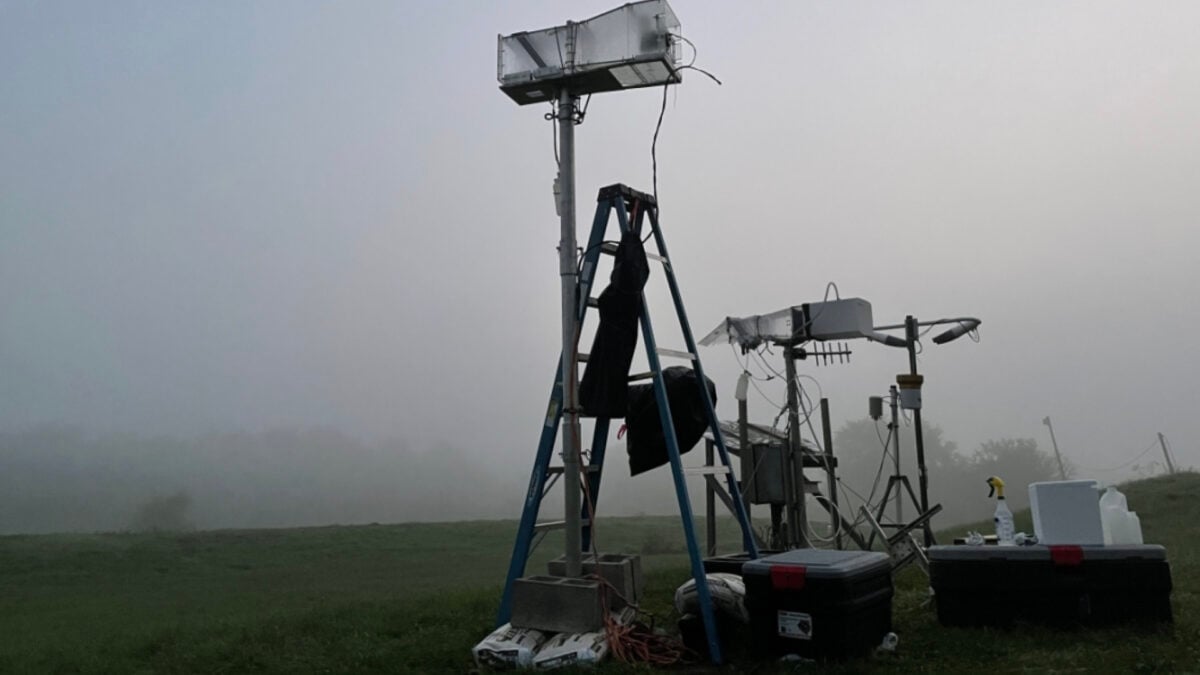
The study, published in the journal mBio, analyzed fog samples collected from 32 fog events over two years. The researchers found that nearly 1% of fog droplets serve as bacterial habitats. While that may sound small, when condensed into liquid water, the concentration is staggering: up to 10 million bacteria can thrive in a cup of fog water the size of a thimble.
Bacteria That Feast on Formaldehyde
Among the microbes identified, two strains of the genus Methylobacterium stood out for their ability to survive and grow on formaldehyde. These bacteria are strictly aerobic, meaning they thrive in oxygen-rich environments like the open air where fog forms. The researchers observed that Methylobacterium colonies doubled in size when feeding on formaldehyde, at the same rate they would grow on pure sugary glucose.
"The unprecedented effectiveness of fog bacteria in the biodegradation of volatile contaminants, as exemplified by formaldehyde, may thus be key for atmospheric chemistry," said Thi Thuong Thuong Cao, the lead author and an atmospheric science researcher who started the project as a PhD student at ASU.

Implications for Air Quality
Formaldehyde is a volatile organic compound emitted from sources like vehicle exhaust, industrial processes, and building materials. It is regulated by the EPA due to its health risks. The discovery that fog bacteria can consume formaldehyde suggests a natural mechanism for cleaning the air. However, the researchers caution that more studies are needed to understand the scale and efficiency of this process.
"There’s very limited knowledge about what kinds of bacteria are present in fogs," Cao noted. The team collected dry air samples before fog events and found lower levels of Methylobacterium compared to samples taken during or after fog, indicating that fog temporarily spurs bacterial growth.
A Hidden Biome at Risk
The findings highlight the complexity of fog as an ecosystem. While the idea of breathing in bacteria-laden fog might seem unsettling, these microbes are likely beneficial. They may play a role in breaking down pollutants and cycling nutrients in the atmosphere. However, climate change and air pollution could alter fog chemistry and frequency, potentially disrupting this delicate balance.
"Our window to figure out fog’s microbial life may be closing," the researchers warn. As fog patterns shift, the opportunities to study these unique communities diminish.

Future Research Directions
The ASU team plans to investigate other pollutants that fog bacteria might consume, as well as the broader ecological roles of these microbes. They also aim to explore whether similar bacterial activity occurs in other low-lying clouds or mist. Understanding these processes could lead to bio-inspired approaches for air purification.
For now, the study offers a new perspective on fog: not just a weather phenomenon, but a living, breathing part of our environment that helps keep our air clean.
This article is based on reporting by Gizmodo. Read the original article.
Originally published on gizmodo.com