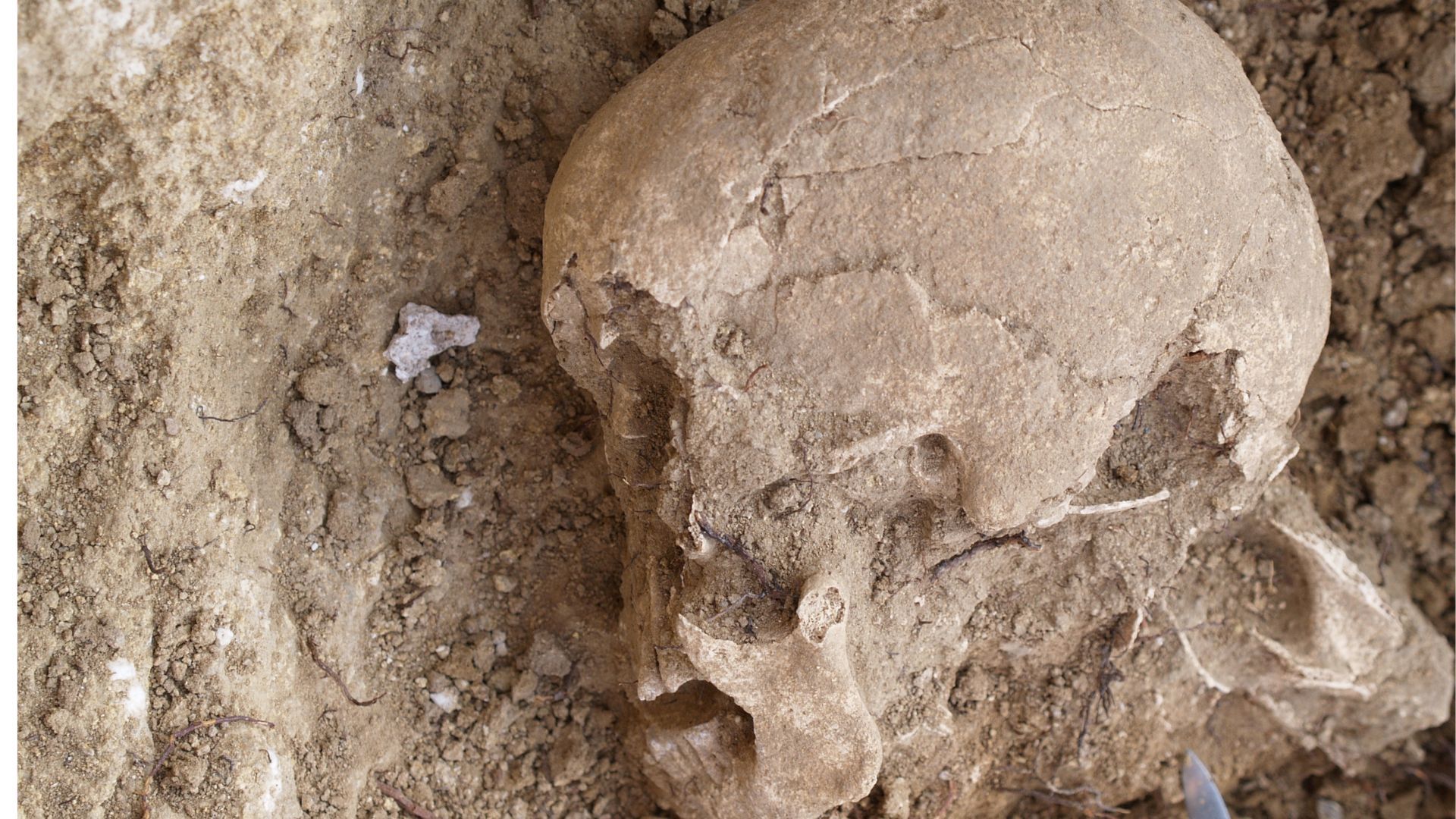
A medieval burial inside a prehistoric monument
Researchers studying a burial in Spain have used DNA analysis to uncover the ancestry of a man interred in a Stone Age monument long after the structure itself was built. The result answers one question while leaving another unresolved: where the man’s genetic roots lay is now clearer, but his religious identity remains uncertain.
That combination of certainty and ambiguity is what makes the story scientifically interesting. Ancient DNA can illuminate biological ancestry, kinship, and migration in ways earlier archaeology could not. But belief, ritual identity, and personal affiliation often remain harder to pin down, especially when burials occur in reused monumental landscapes that span multiple eras.
Why monument reuse matters
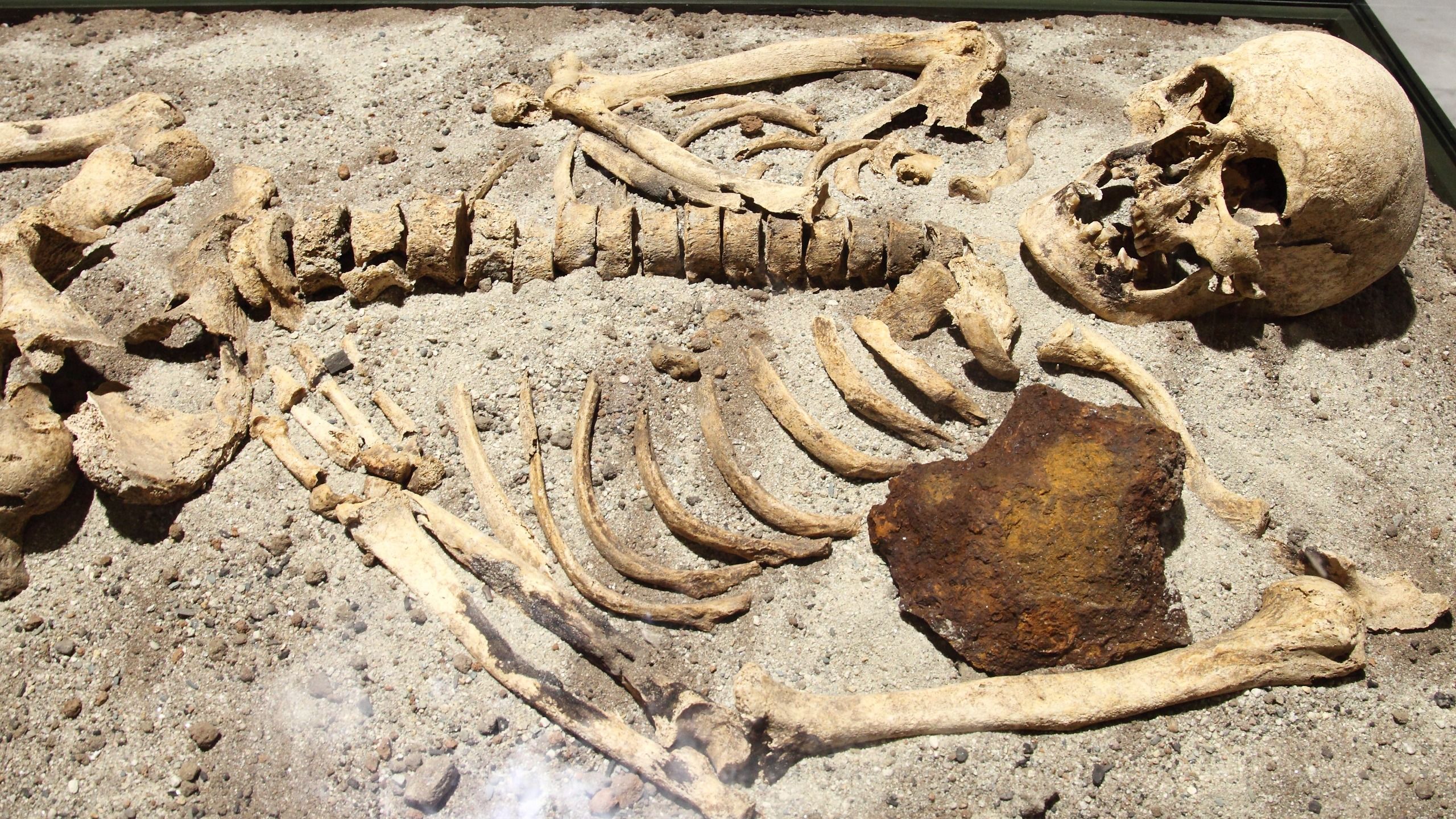
The supplied reporting notes that two men were buried in the prehistoric stone monument during the Middle Ages, thousands of years after the monument’s original construction. That temporal gap is central to the puzzle. Reusing an ancient monument can signal continuity, appropriation, convenience, local custom, prestige, or entirely different forms of symbolic meaning. It does not automatically reveal what the buried individual believed.
That is why the unresolved religious question is not a trivial footnote. Archaeologists frequently work with incomplete cultural signals. A burial site may suggest affiliation, but it can also reflect social practice or local circumstance rather than doctrinal identity. DNA can clarify ancestry, yet ancestry and religion are separate categories.
What genetic analysis can and cannot do
The study’s reported achievement lies in tracing ancestry from remains found in a complex historical setting. Ancient DNA has become one of the most powerful tools in archaeology because it allows researchers to revisit old questions with a new kind of evidence. It can identify population links, detect movement, and refine how scholars understand community composition in the past.
But the study also demonstrates the boundary of the method. Genetics can reveal lineage and population-level relationship. It cannot directly read belief. To approach that question, researchers have to combine burial practice, material culture, local history, and broader regional context. Even then, some cases remain genuinely indeterminate.
A useful example of scientific restraint
In an era when archaeological headlines can be overstated, this story is notable for the opposite reason. It presents a clear gain in knowledge while admitting what remains unknowable from current evidence. That is not a weakness. It is part of good science.
The man buried in the Spanish monument has become more legible in one dimension and still opaque in another. Researchers can now say more about his ancestry than before, but they are not collapsing genetic identity into cultural or religious identity. That distinction matters not just for this burial, but for public understanding of archaeology more broadly.
Studies like this show how modern methods continue to transform the interpretation of old sites. Prehistoric monuments are not frozen in the period that created them; many continued to accumulate new meanings as later communities encountered them. This burial appears to be one of those cases. The monument began in the Stone Age, but its story did not end there, and DNA is now helping reconstruct one of its later chapters without pretending to solve every mystery it contains.
This article is based on reporting by Live Science. Read the original article.

Originally published on livescience.com