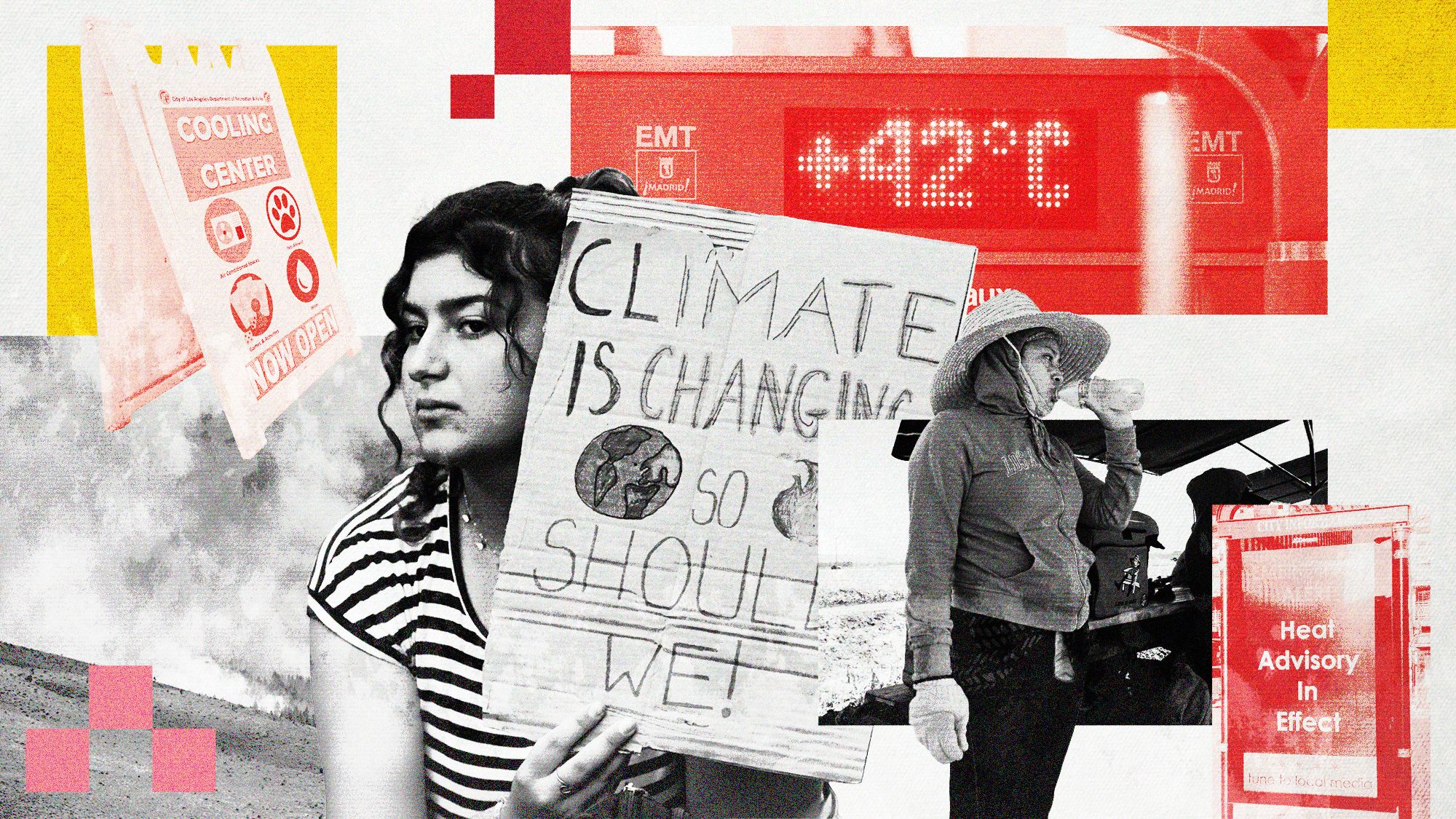
Climate change is usually described in the language of ice sheets, sea levels and atmospheric carbon. But its consequences increasingly register somewhere more intimate: in emergency rooms, respiratory clinics and hospital wards. A growing body of research is moving beyond documenting that harm to asking a harder, more practical question — what actually protects people?
That question sits at the center of "Burning up," a Live Science series reported by Diego Arguedas Ortiz that examines how a warming planet reshapes human bodies. The series tracks four fronts: extreme heat, air quality, food security and infection risk. Its latest installment evaluates the solutions now emerging — interventions that, taken together, are beginning to look less like aspirational policy and more like evidence-based medicine at the scale of a city.
New York City Rewrote the Rules for Heat Alerts
For years, New York City tied its emergency heat response to a single benchmark: a heat index of 105 degrees Fahrenheit (40.6 C), the threshold used by the National Weather Service. Above that level, the combined effect of high temperature and humidity is genuinely dangerous, and the logic of waiting for it seemed sound.
But officials noticed a mismatch between the national number and what was happening on city streets. People were suffering heat stroke at temperatures below the trigger — meaning the emergency response was switching on after the harm had already begun. In the summer of 2008, the city changed the calculus.
Lowering the Trigger
New York abandoned the single national threshold in favor of a locally calibrated one. Under the revised plan, the city's heat emergency activates when the temperature reaches 100 F (37.8 C) on a single day, or 95 F (35 C) on two days in a row. It was one piece of a wider effort to align the warning system with the conditions actually making residents sick, rather than with a one-size-fits-all national standard.
What the Response Looks Like
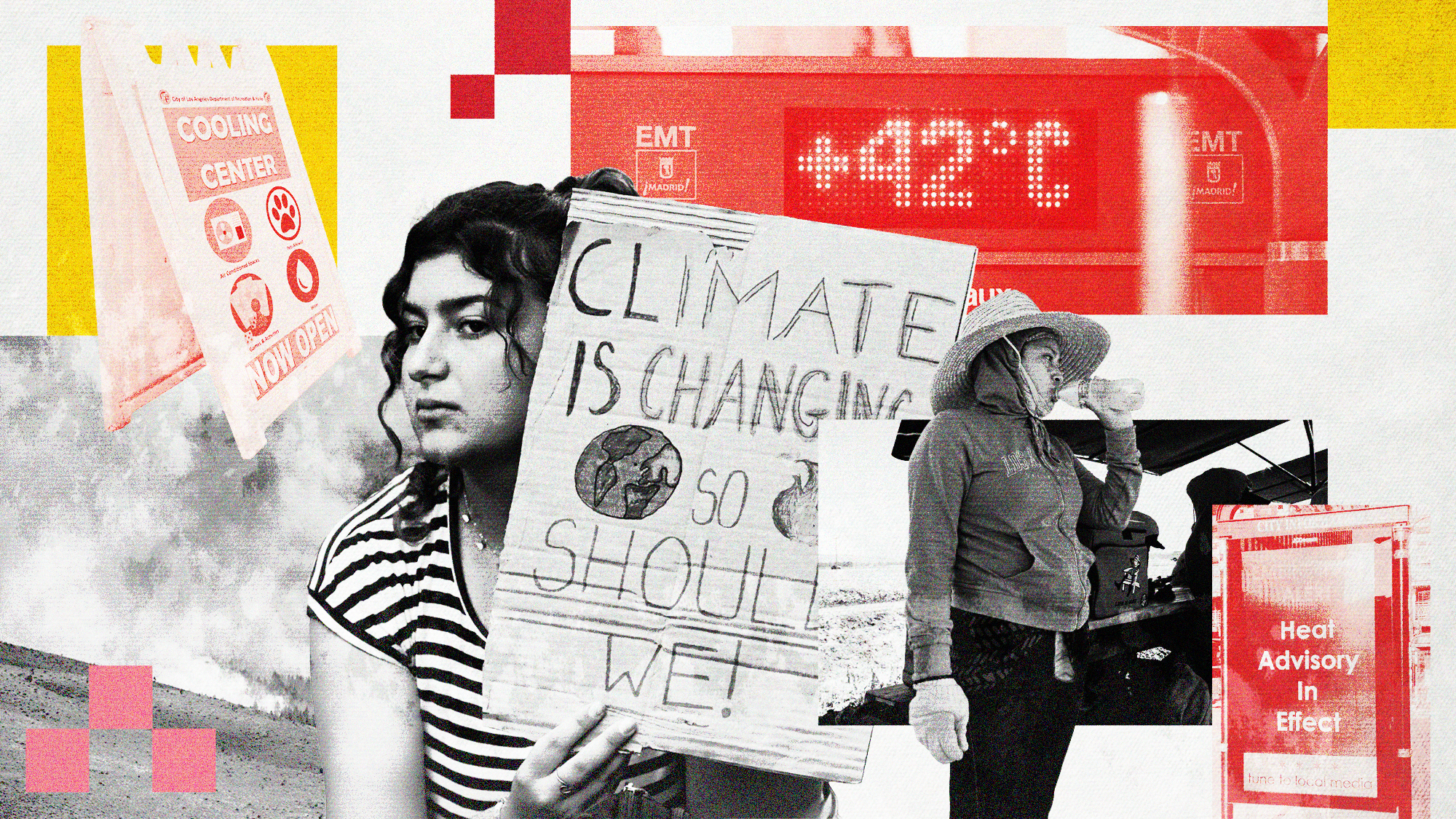
Crossing the threshold is not a formality, and it does not produce a single press release. It sets off a coordinated set of actions:
- Targeted outreach to groups at elevated risk, including people experiencing homelessness.
- Phone alerts that put the warning directly in residents' hands.
- Steps to safeguard the electricity and water supply, keeping essential services online as demand surges.
- Cooling centers that give people somewhere cooler to go.
Each element addresses a different failure point. Alerts alone cannot help someone with nowhere to escape the heat; cooling centers alone cannot reach people who do not know the danger has arrived. The combination is what makes the plan function.
The Payoff
The results appear to have been substantial. Lowering the alert threshold correlated with a reduction of more than 50% in hospitalizations for heat stroke and related illnesses on hot days. That figure is significant precisely because of what it measures. It is not a count of alerts sent or pamphlets distributed — it is a count of people who never needed emergency care. The New York experience stands as one of the clearest documented examples of a heat intervention that worked.

Judging Adaptation by Outcomes, Not Activity
The New York case also highlights a methodological divide running through climate and health research. Cities can track any number of intermediate indicators — how many residents received an alert, how many cooling centers opened, how many advisories were issued. Those are useful for operations, but they are not proof of protection.
Charles Leonard, an associate professor of epidemiology at the University of Pennsylvania, makes the point sharply: the strongest evidence for an intervention comes from whether it reduces illness, hospital visits or death, not from whether it lowers heat exposure, pollution levels or other intermediate markers. A campaign that reaches millions but prevents no hospital admissions has not succeeded, while a narrowly targeted program that keeps a few dozen vulnerable people out of danger may be a genuine win.
By that standard, New York's revised threshold qualifies. The city changed a number in a planning document, and the changed number appears to have changed who ended up in the hospital.
Heat Is Only One of the Threats
Extreme heat is the most visible and best-studied hazard, but a warming climate damages health through several routes at once. The "Burning up" series organizes the risk into broad categories:
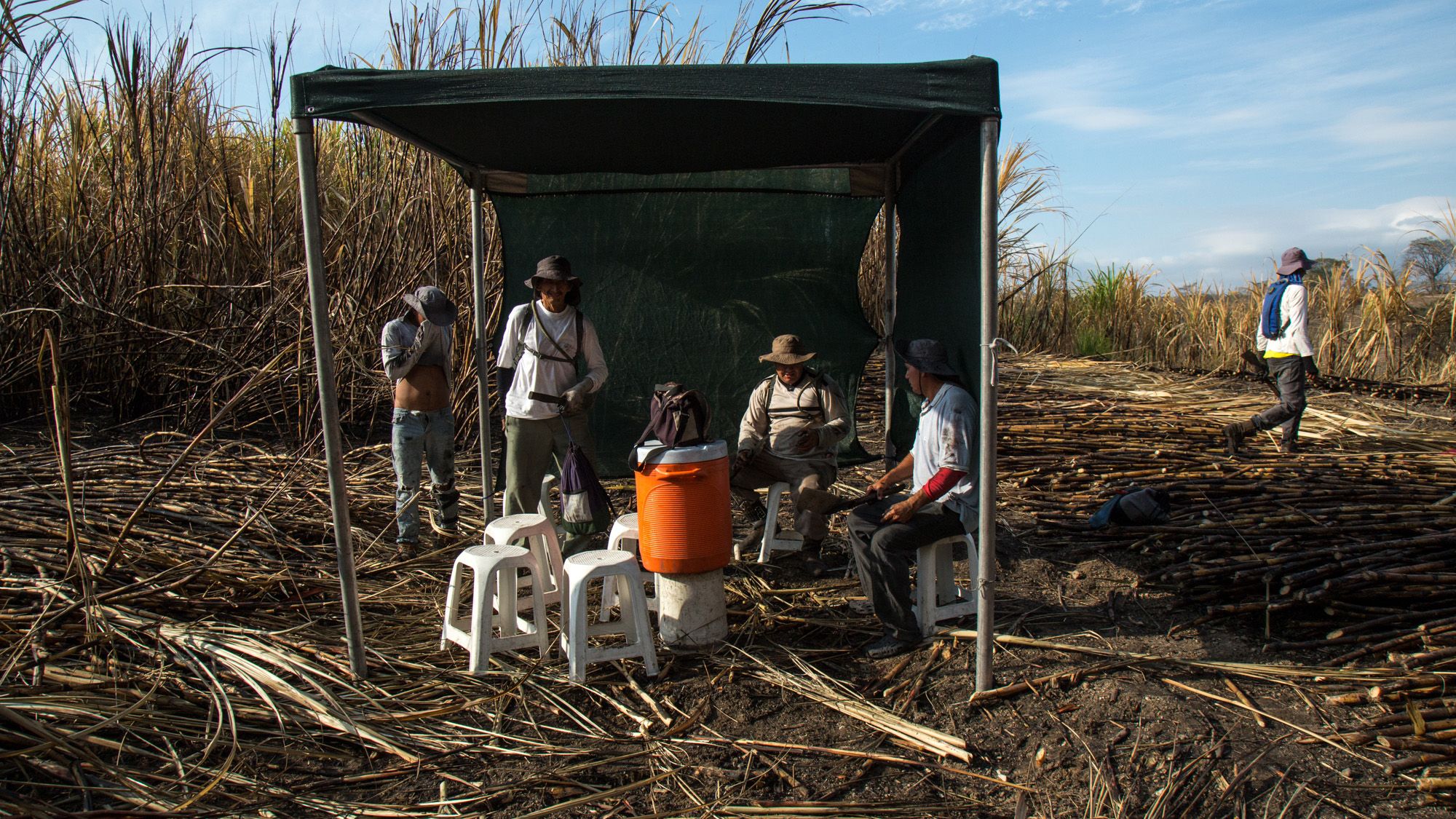
- Extreme heat — hotter days and longer, more frequent heat waves that push bodies beyond their capacity to cool themselves.
- Air quality — wildfire smoke, described in the series as the fastest-growing environmental threat in the United States, carrying particulate pollution into communities far from any fire.
- Food — climate pressures on the systems that produce what people eat.
- Infection risk — shifting conditions that alter where and when pathogens can spread.
These hazards rarely arrive alone. Wildfire smoke often accompanies the same hot, dry conditions that drive heat stress, and people with existing heart or lung disease are especially exposed. Reporting in the same series notes that the United States could see the number of days above 105 F triple, with severe health consequences, and that climate change may even shape impulsive behavior — an underrecognized pathway connecting environment to wellbeing.

What Effective Adaptation Looks Like
Read together, the evidence points toward a set of design principles rather than a single silver bullet:
- Calibrate thresholds to local reality. A national benchmark may not match the conditions that sicken people in a particular city. New York's decision to set its own trigger is the model.
- Reach the most vulnerable directly. General warnings tend to reach people with resources and mobility. Targeted outreach to those at highest risk does the harder work.
- Protect the systems beneath the response. Power and water are the backbone of any heat plan; if they fail, everything downstream fails with them.
- Give people somewhere to go. Cooling centers convert a warning into a practical option rather than a burden.
- Measure outcomes. Track hospitalizations and deaths, not just heat exposure or the volume of messaging.
Adaptation Buys Time — It Does Not Replace the Root Fix
There is a limit to how much planning can accomplish. Scientists broadly agree that the most effective way to avert the worst health outcomes is to confront the warming at its source, rather than to manage its symptoms after the fact. Adaptation protects people in a climate that has already changed; it cannot keep pace indefinitely with a climate that keeps changing faster.
Still, the New York example carries a genuinely hopeful message. A city identified a mismatch between its warning system and the harm it was trying to prevent, adjusted the trigger, layered practical support around it, and saw hospitalizations fall by more than half. That is not a technological breakthrough or a distant aspiration. It is a decision — the kind other cities can make now, while the longer fight over emissions continues.
This article is based on reporting by Live Science. Read the original article.
Originally published on livescience.com


