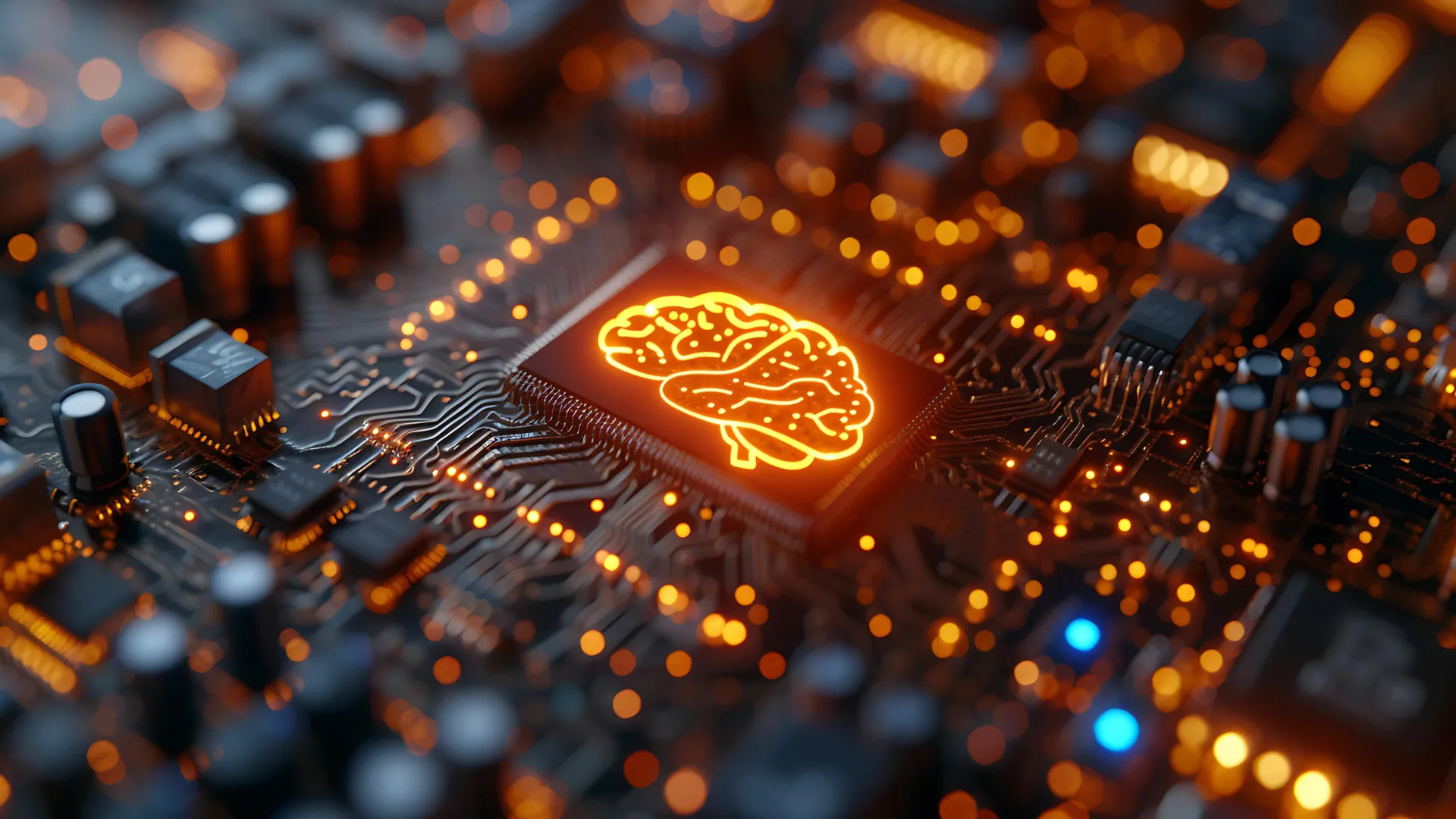
Neuromorphic Computing Meets Physics
A new study reveals that neuromorphic computers, machines designed to mimic the architecture of the human brain, can solve complex mathematical equations far more effectively than previously believed. These brain-inspired systems have now demonstrated the ability to tackle the differential equations that underpin physics simulations, from fluid dynamics to electromagnetic field modeling.
The finding opens a promising new avenue for computational science, where energy-efficient neuromorphic chips could supplement or even replace traditional supercomputers for certain classes of problems.
How Neuromorphic Computers Work
Unlike conventional processors that execute instructions sequentially, neuromorphic chips use networks of artificial neurons and synapses that process information in parallel, much like the biological brain. This architecture excels at pattern recognition and adaptive learning, but researchers had not fully explored its potential for solving the structured mathematical problems at the heart of scientific computing.
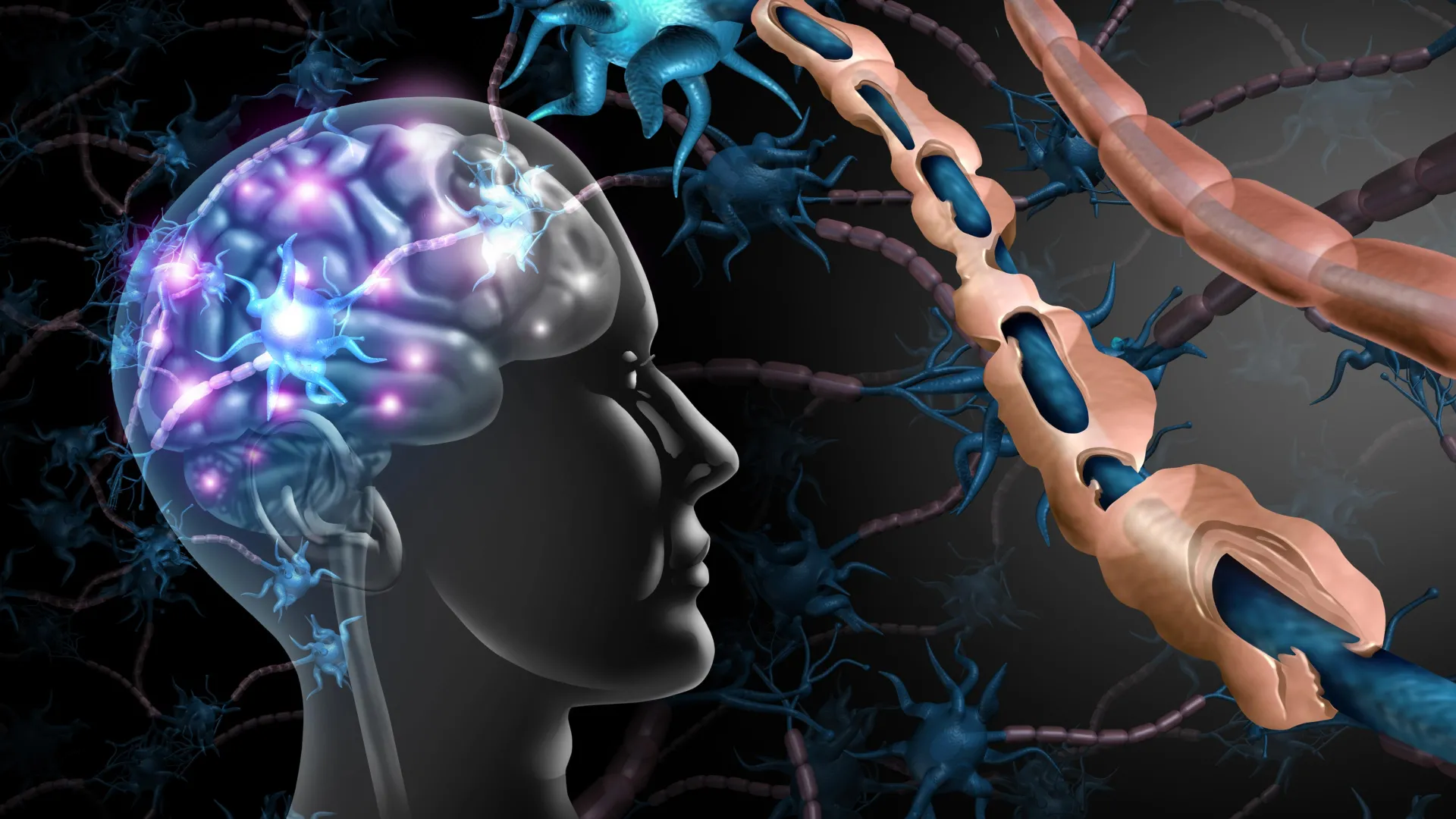
The breakthrough came when researchers discovered that spiking neural networks, which communicate through discrete electrical pulses similar to biological neurons, could be trained to approximate solutions to partial differential equations. These equations describe how physical quantities like temperature, pressure, and velocity change across space and time, and solving them is essential for everything from weather forecasting to aircraft design.
Performance and Efficiency Gains
The neuromorphic approach showed remarkable results in benchmark tests. The brain-inspired systems achieved accuracy levels comparable to traditional numerical solvers while consuming significantly less energy. This efficiency advantage stems from the inherently parallel nature of neuromorphic computation, which avoids the bottlenecks of shuttling data between memory and processor that plague conventional architectures.
For large-scale simulations that currently require massive computing clusters running for days or weeks, neuromorphic alternatives could dramatically reduce both the time and energy costs of scientific computation.
Implications for the Future of Computing
The research suggests that the boundary between artificial intelligence hardware and scientific computing hardware is beginning to blur in significant ways. As neuromorphic technology matures and scales up, it could transform fields that depend on intensive numerical simulation, including climate modeling, drug discovery, materials science, and astrophysical simulations. The potential energy savings alone could be transformative, given that large-scale scientific computing currently accounts for substantial electricity consumption at research institutions worldwide.
Several major chip manufacturers and research labs are already investing heavily in neuromorphic hardware development, with prototype systems demonstrating increasingly impressive capabilities each year. The human brain, which performs extraordinary computational feats while consuming only about 20 watts of power, may have been an even better blueprint for scientific computation than researchers previously realized. This convergence of AI hardware and traditional scientific computing could accelerate the pace of discovery across multiple disciplines.
This article is based on reporting by ScienceDaily. Read the original article.

Originally published on sciencedaily.com