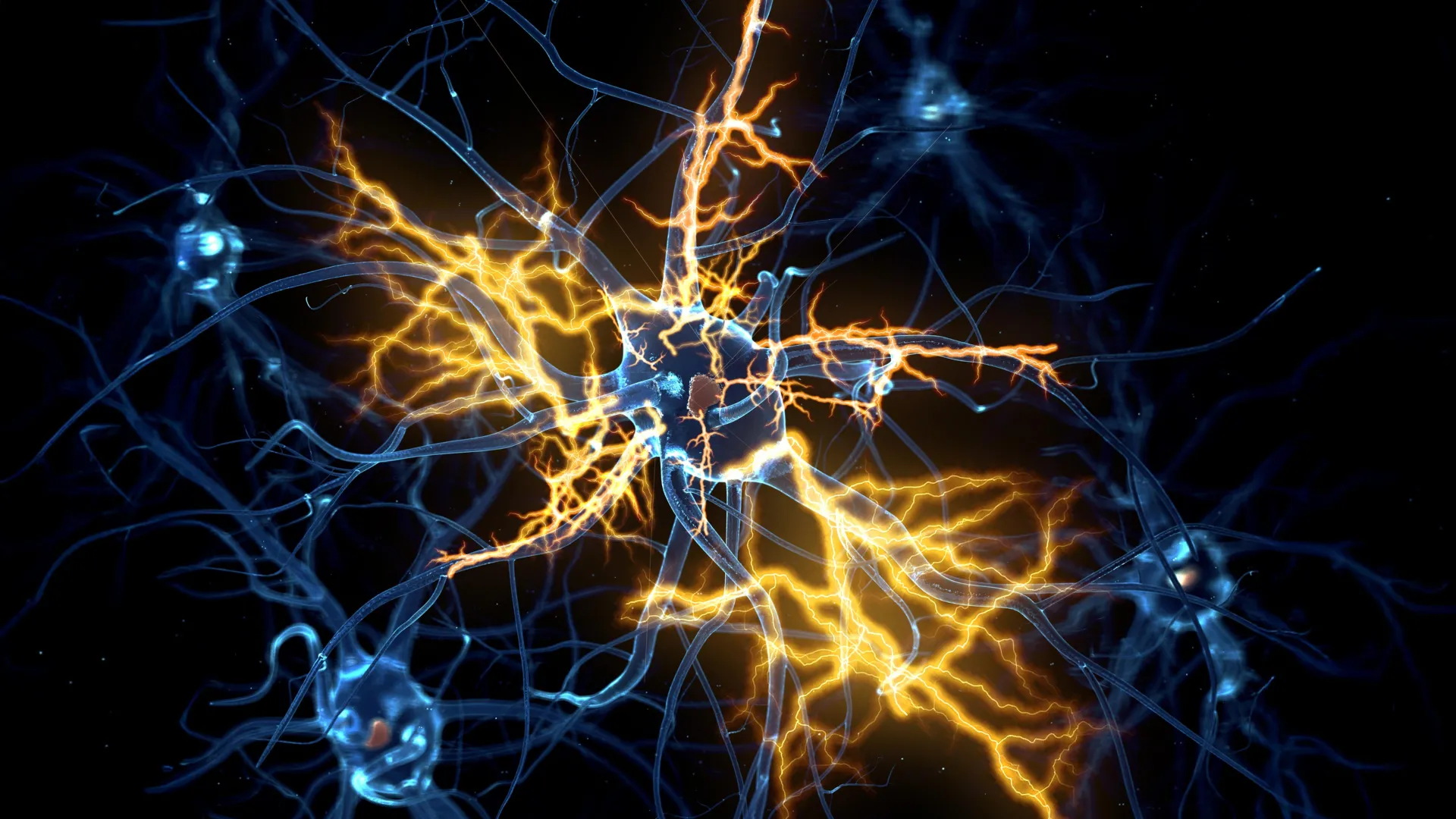
A molecular obstacle to nerve repair
Scientists at the Icahn School of Medicine at Mount Sinai have identified a protein that appears to limit the ability of injured nerve cells to rebuild damaged connections. The finding points to a possible new approach for research into spinal cord injuries and other conditions in which damaged nerves can leave lasting losses of movement or sensation.
The protein, called the aryl hydrocarbon receptor, or AHR, was identified as a molecular “brake” on the regeneration of axons. Axons are the long, slender fibers through which neurons send electrical signals. Re-establishing those connections is a central challenge after a nerve injury, particularly in the adult brain and spinal cord, where regeneration is limited.
The work was published in Nature, according to Mount Sinai’s summary of the study. The researchers reported that removing AHR genetically from neurons or inhibiting its activity with drugs promoted axon growth in their experimental systems. In injured mice, releasing that brake was associated with improved movement and sensory recovery.
Why axon regrowth is so difficult
Neurons link the brain, spinal cord, muscles and sensory organs by transmitting signals along axons. When an axon is cut or otherwise damaged, restoring the connection can be necessary for recovering function. But adult mammalian neurons often have a poor capacity to regrow those fibers, especially within the central nervous system.
That limitation helps explain why serious neurological injuries can result in permanent impairment. Researchers have long sought to understand the biological programs that prevent a damaged neuron from shifting into a robust repair state.
The Mount Sinai team’s results suggest that AHR is part of that decision-making process. Rather than simply acting as a switch that turns regeneration on or off, the protein appears to influence what an injured neuron prioritizes after damage. When AHR signaling is active, the cell is pushed toward managing injury-related stress instead of rebuilding its damaged axon, the researchers said.

A target for further research
In the reported experiments, AHR activity restricted axon growth. Conversely, genetic removal of the protein from neurons, or drug-based inhibition of its activity, allowed stronger regenerative growth. The mouse findings also connected that cellular response to measures of motor and sensory recovery after injury.
That combination is important because extending an axon in a laboratory setting is not the same as restoring a useful connection in an injured nervous system. The reported improvement in movement and sensation makes AHR a potentially important target for continued investigation, although the research does not establish a treatment for people.
The study is preclinical, and its functional results were reported in mice. Whether inhibiting AHR can be used safely and effectively in human spinal cord injuries, peripheral nerve injuries or other neurological conditions remains unanswered. The work nevertheless offers researchers a more specific molecular pathway to investigate as they try to overcome the limited regenerative capacity of adult neurons.
From stress response to repair
The central idea is that an injured neuron must contend with competing demands. It needs to survive and respond to stress, but it may also need to activate the machinery required to regrow a lengthy axon and reconnect with its targets. Mount Sinai senior author Hongyan Zou described AHR as a brake that shifts neurons toward stress management rather than reconstruction.
By identifying a factor that helps govern that tradeoff, the research gives scientists a way to ask more precise questions: when is AHR activated after injury, which signals control it, and can its effects be adjusted without disrupting other essential cellular functions? Those questions will determine whether the result becomes a foundation for therapeutic development.
For now, the finding adds to a broader effort to turn nerve regeneration from a rare and limited response into one that can restore meaningful function after injury. The next steps will require further testing of AHR inhibition, including how it affects different neuron types and injury settings, before any clinical use can be considered.
This article is based on reporting by Science Daily. Read the original article.

Originally published on sciencedaily.com


