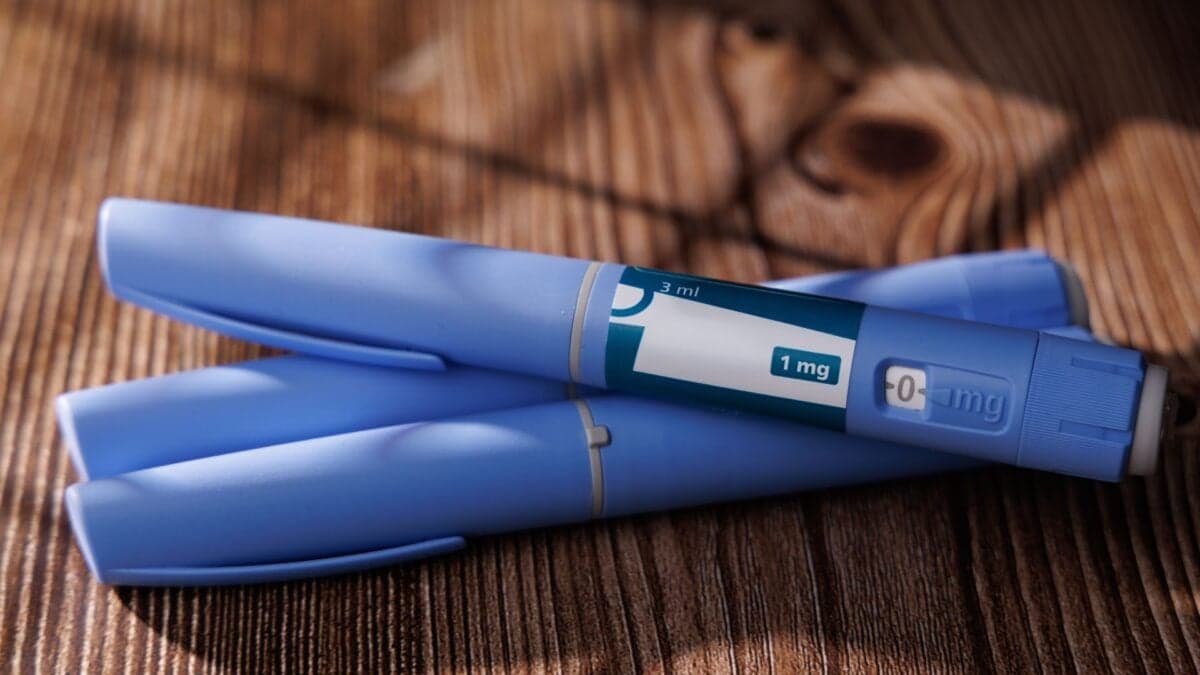
From Courtroom to Partnership
Novo Nordisk and Hims & Hers Health have settled their prolonged legal dispute over compounded versions of semaglutide, the active ingredient in Ozempic and Wegovy. The resolution comes not as a simple ceasefire but as a commercial partnership that could fundamentally alter the landscape of GLP-1 weight loss medications and their availability to consumers.
The two companies had been locked in an escalating battle over compounded GLP-1 drugs — pharmacy-made versions of branded medications that are permitted under FDA rules when the branded versions are in shortage. Novo Nordisk had aggressively pursued legal action against telehealth companies and compounding pharmacies offering cheaper semaglutide alternatives, arguing they were infringing on patents and potentially compromising patient safety.
Under the new agreement, Hims will transition from selling compounded semaglutide to offering Novo Nordisk's branded products through its telehealth platform, likely at negotiated prices that fall between the compounded versions' low cost and the full retail price of Ozempic and Wegovy.
What This Means for Patients
The partnership has immediate implications for the millions of Americans who have been using compounded GLP-1 medications as a more affordable alternative to branded products. Ozempic carries a list price of roughly $900 per month without insurance, while compounded versions have been available through telehealth platforms for as little as $200 to $300 per month.
The deal signals that compounded GLP-1s may become harder to obtain. With a major telehealth distributor like Hims shifting to branded products, the market for compounded alternatives shrinks. Other telehealth companies that have built businesses around compounded semaglutide are watching the settlement closely for signals about their own legal exposure.
Patient advocacy groups have expressed concern that the partnership could reduce access to affordable weight loss medications at a time when demand is at an all-time high. Obesity affects more than 40 percent of American adults, and GLP-1 medications have shown unprecedented efficacy in clinical trials, with many patients losing 15 to 20 percent of their body weight.
The Compounding Pharmacy Question
The FDA allows compounding pharmacies to produce versions of drugs that are in shortage, and semaglutide has been on the FDA's shortage list for extended periods due to overwhelming demand. However, Novo Nordisk has argued that its supply has caught up with demand and that the shortage designation should be lifted, which would effectively end the legal basis for compounding.
The Hims partnership appears to be part of a broader strategy by Novo Nordisk to reassert control over the semaglutide market. By offering telehealth platforms a pathway to sell branded products at potentially reduced prices, the company can recapture market share while maintaining higher margins than the compounded alternatives would allow.
Independent compounding pharmacies that have invested in semaglutide production capacity face an uncertain future. If the FDA removes the shortage designation and major telehealth platforms shift to branded products, the legal and commercial ground for compounded GLP-1s will narrow significantly.
Market Impact
Novo Nordisk's stock rose on the news, reflecting investor confidence that the deal would help protect the company's dominant position in the GLP-1 market. The global market for GLP-1 medications is projected to exceed $100 billion by 2030, driven by expanding indications beyond diabetes into obesity, cardiovascular disease, and potentially addiction treatment.
Hims & Hers also saw positive market reaction, as the partnership validates its telehealth distribution model and provides access to branded products that carry higher consumer trust than compounded alternatives. The company has been diversifying beyond its original men's health focus into weight management, which has become its fastest-growing revenue segment.
The deal could set a template for how pharmaceutical companies manage the tension between branded drug pricing and the growing demand for affordable alternatives through telehealth and compounding channels.
Regulatory and Political Dimensions
The settlement arrives at a politically charged moment for drug pricing in the United States. Congressional hearings on GLP-1 pricing have drawn attention to the vast gap between manufacturing costs and consumer prices, and several states have introduced legislation to protect access to compounded medications.
Whether the Novo Nordisk-Hims partnership ultimately helps or hinders patient access will depend on the pricing terms, which have not been publicly disclosed. If the negotiated prices are significantly lower than retail, the deal could expand access by bringing branded medications to patients who previously could not afford them. If prices remain prohibitively high for uninsured patients, the deal may simply eliminate a cheaper alternative without providing a meaningful replacement.
This article is based on reporting by Gizmodo. Read the original article.