A new federal space school moves from idea to executive order
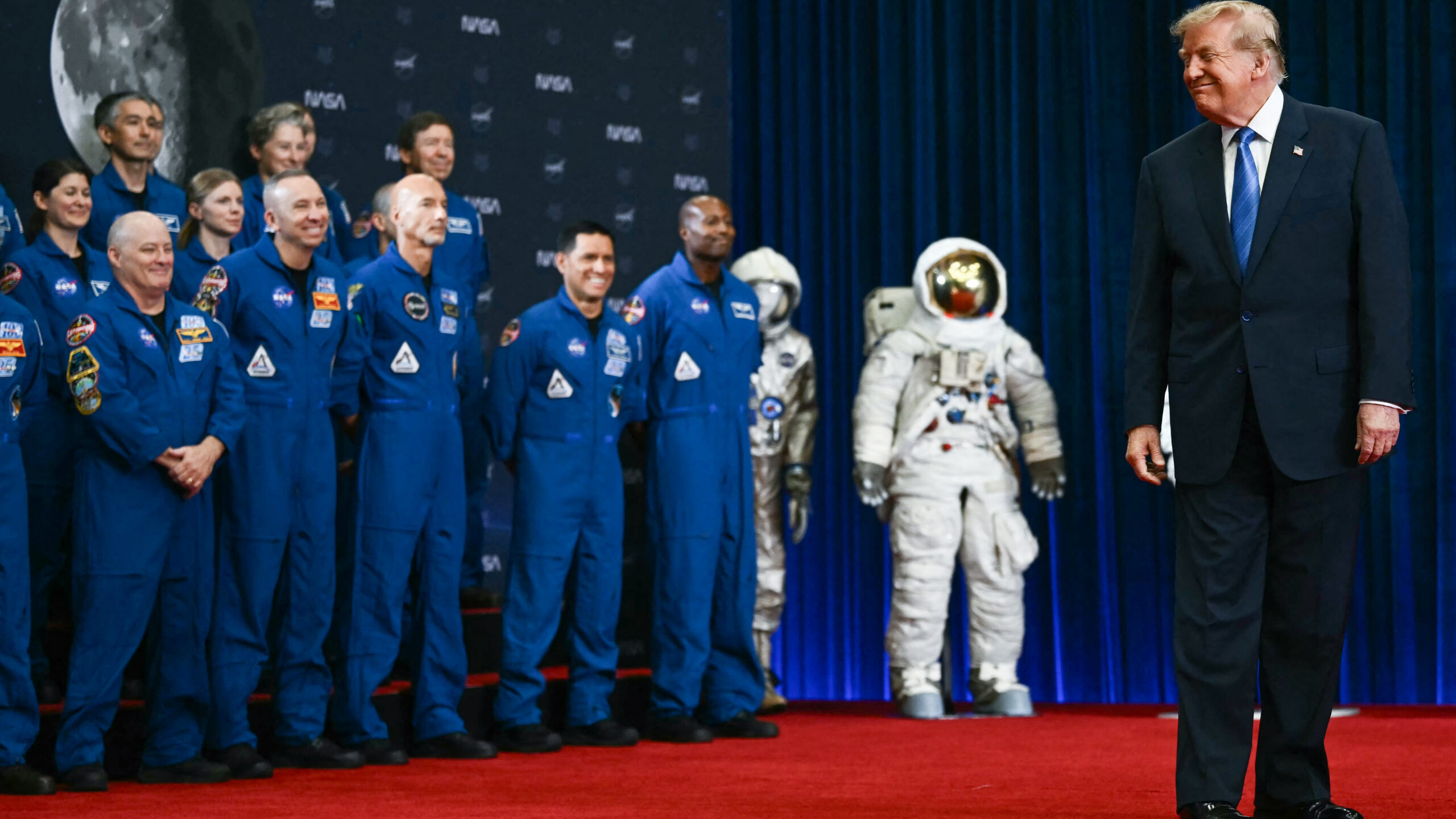
President Donald Trump signed an executive order on August 28, 2026 directing the creation of a commission to begin developing what he called the United States Space Academy. The announcement came during a visit to Johnson Space Center in Houston, where Trump also presented the Congressional Space Medal of Honor to the Artemis II astronauts. Based on the source material, the proposed academy would sit under NASA rather than operate as a traditional military service academy.
That distinction matters. The concept described in the source is not simply a space-themed version of West Point or the Air Force Academy. Instead, it appears aimed at building a dedicated education and workforce pipeline for the broader US space sector, including engineers, civil operators, and other specialists needed to support a more expansive national space effort. The academy would also fit into a period of institutional change for NASA, as the agency tries to define its role alongside a more capable and more commercially active private space industry.
How the academy is described in the source
According to the source text, the proposed academy would fall under NASA’s jurisdiction and would be intended to educate a new generation of technical and operational talent. Trump framed the effort as a response to future workforce needs, saying the United States would need to train a broad base of people to carry out its ambitions in space.
The source says the initiative is being pushed by NASA Administrator Jared Isaacman as part of a wider modernization effort called Project Athena. In that telling, the academy would be designed as a top-tier institution offering free tuition in exchange for a service commitment after graduation. Graduates could choose to enter the US Space Force, but most positions would be allocated to NASA and civilian roles.
If implemented along those lines, the academy would represent more than a branding exercise. It would create a formal, government-backed mechanism to recruit, educate, and place workers into critical parts of the national space enterprise. That is a notable departure from NASA’s traditional reliance on existing universities, contractors, military channels, and ad hoc hiring pipelines to fill specialized roles.

Why NASA may want a new workforce model
The logic behind the proposal is tied to a broader strategic shift. The source depicts Isaacman as trying to modernize NASA at a moment when private companies are taking on work that was once almost entirely managed by the agency itself. Launch, crewed transportation, commercial stations, lunar services, and related activities are no longer theoretical commercial markets. They are active areas where private firms increasingly set the pace.
That changes the agency’s talent problem. NASA still needs elite technical staff, but it also needs people who can operate inside a mixed ecosystem where public goals depend on commercial partnerships, rapid procurement cycles, and systems integration across government and industry. A dedicated academy could be one way to shape that workforce from the start.
The proposal also suggests a more explicit national strategy for space labor. Rather than hoping universities and employers will collectively produce enough mission-ready graduates, the federal government would be signaling that space workforce development is itself a strategic priority. In practical terms, that could help standardize training around mission operations, engineering, safety, civil space governance, and the emerging boundary between government and commercial responsibilities.
What makes this different from a service academy
One of the more important details in the source is what the US Space Academy is not supposed to be. Space officials cited by the source say it is not intended to mirror the traditional model used to train commissioned officers for the armed services. That point may help the administration avoid confusion with existing military institutions, especially because the name naturally invites comparisons to the US Space Force and popular culture references.
Instead, the apparent goal is a hybrid institution: publicly funded, highly selective, mission-oriented, and linked to federal service, but focused primarily on civil space needs. That would make it unusual in the US education landscape. A tuition-free, service-based NASA academy could resemble a national laboratory pipeline as much as a university, especially if it emphasizes direct placement into agency roles and other public-interest space positions.
It could also give NASA a stronger hand in shaping the values and competencies of its future workforce. That includes not only technical excellence, but also systems thinking, program discipline, and the capacity to work across government and private-sector boundaries. In an era of long-duration lunar planning and intensified geopolitical competition in space, those traits may become as important as conventional aerospace credentials.

Questions the executive order does not answer yet
The order starts a process; it does not establish a functioning school overnight. The commission will need to address basic questions about governance, curriculum, admissions, budget, site selection, accreditation, and how service commitments would be enforced. It will also need to clarify whether the academy complements existing university programs or competes with them.
There are also policy questions about how broad the academy’s mandate would be. The source indicates graduates could go to NASA, civilian positions, or the Space Force, but it does not explain how seats would be apportioned, what disciplines would be prioritized, or whether commercial partners would have any role in internships, research, or recruitment.
Those unanswered questions are normal at this stage, but they will determine whether the academy becomes a durable institution or remains an attention-grabbing concept attached to a presidential event. The source presents the move as part of a larger NASA overhaul, which means its fate may also depend on whether that wider reform agenda gains lasting support.
Why this matters now
The timing reflects a deeper reality in American space policy: ambitions are growing faster than the systems used to supply talent. If the United States wants sustained human spaceflight, lunar development, advanced civil space operations, and a competitive industrial base, it will need more than rockets and contracts. It will need a repeatable way to produce people prepared to run complex programs over decades.
The proposed US Space Academy is significant because it treats that workforce challenge as national infrastructure. Even at the concept stage, that is a meaningful policy shift. It suggests NASA and the White House see education, recruitment, and service obligations as strategic tools, not just administrative details. Whether the academy ultimately launches or not, the executive order signals that the contest over the future of space now includes the institutions built to train the people who will lead it.
This article is based on reporting by Ars Technica. Read the original article.

Originally published on arstechnica.com


