Tesla’s Canada pricing reset is really a tariff story
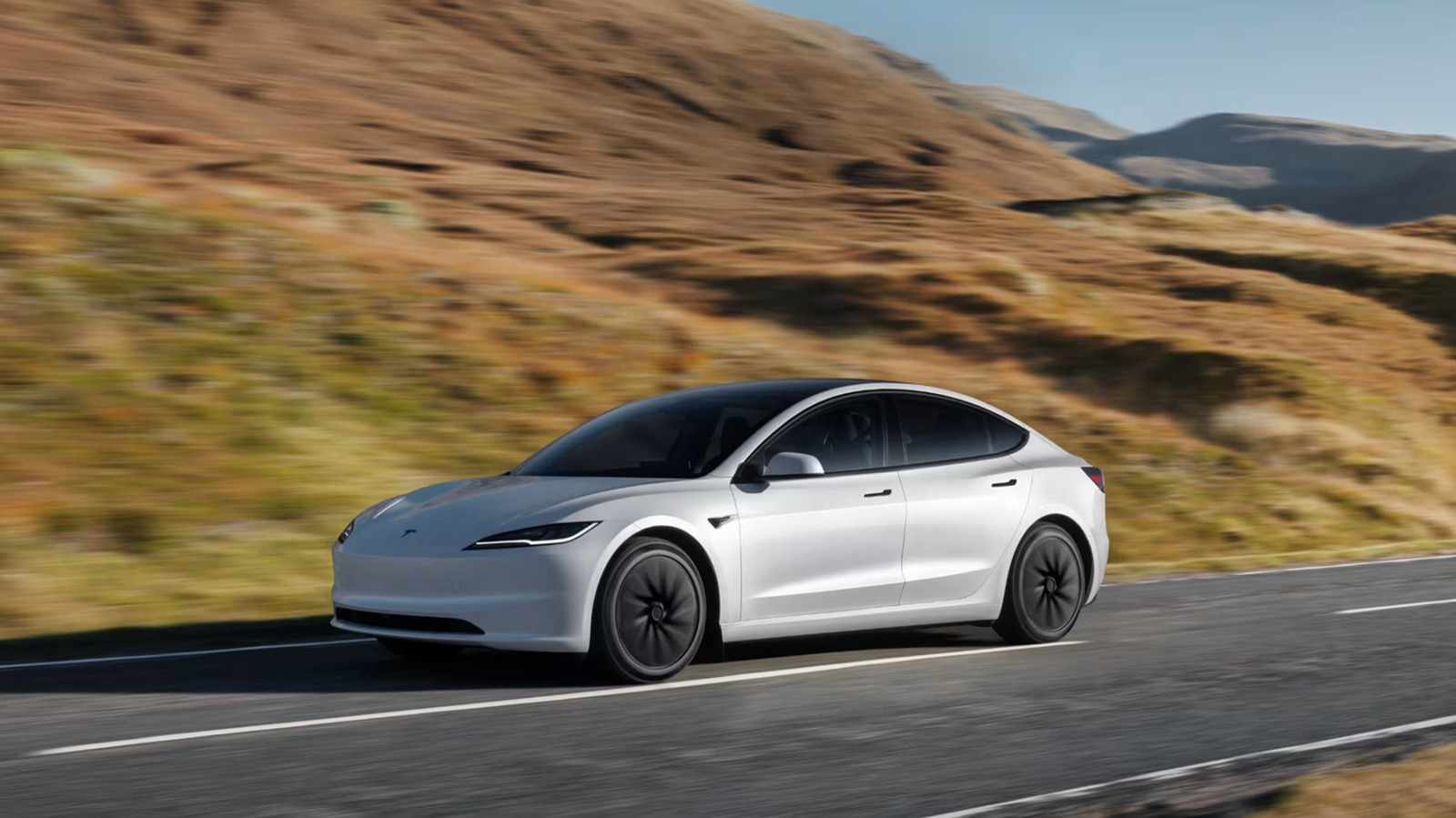
Tesla has reintroduced a far cheaper Model 3 option in Canada by resuming sales of vehicles built at its Shanghai factory. According to the supplied source text, the Model 3 Premium Rear-Wheel Drive now starts at C$39,490, roughly US$29,000, a dramatic drop from the previous Canadian entry point of C$79,990 for a Fremont-built version. The company also cut the Canadian price of the Model 3 Performance from C$89,000 to C$74,990.
On the surface, this looks like an electric-vehicle affordability story. In reality, it is a lesson in how industrial policy and trade retaliation now shape the consumer EV market as much as manufacturing scale or battery costs do. Tesla’s pricing shift was not presented in the source text as a breakthrough in production efficiency. It was enabled by a changed tariff environment that made Chinese-built imports newly viable again.
How tariffs redrew Tesla’s options
The source material lays out the sequence clearly. Canadian buyers were previously able to purchase Shanghai-built Model 3 vehicles before 2024, but Canada later imposed an additional 100 percent tariff on electric vehicles made in China. Tesla then shifted Canadian supply to cars built in Fremont, California.
That arrangement became far less attractive after what the source text describes as the Trump administration’s tariff campaign and Canada’s 25 percent retaliatory tariff on US-made vehicles. The result was the very high C$79,990 starting price for the most affordable Model 3 available in Canada at the time.
The latest reversal came after Canada reduced tariffs on Chinese-made EVs to 6.1 percent, allowing Tesla to return to Shanghai production for the Canadian market. That one policy change sharply altered the company’s pricing power. The lower-cost sourcing option reappeared, and with it a much more aggressive sticker price.

Why this matters beyond Tesla
The significance goes well beyond one automaker. EV markets are increasingly shaped by where a vehicle is built, which countries it crosses before delivery, and what tariff regime applies at each step. For years, the common story in EV competition focused on battery chemistry, software, scale, and vertical integration. Those factors still matter, but tariff policy can now overwhelm them in the final consumer price.
Tesla’s move illustrates how global supply chains remain fluid even in a more protectionist environment. The company is using production geography as a pricing lever, shifting sourcing based on trade conditions rather than treating national factories as fixed channels for fixed markets. That flexibility can be a competitive advantage, especially when governments are repeatedly redrawing the commercial map.
It also shows how hard it is for policymakers to target industrial outcomes cleanly. A tariff designed to protect domestic or allied production can raise prices sharply for consumers. A retaliatory tariff can have the same effect from the other direction. Once those measures are partially relaxed or rebalanced, price compression can happen quickly, as Tesla’s new Canadian lineup demonstrates.
The affordability claim has limits
The lower price does not automatically translate into full policy-supported affordability. The source text notes that the new Model 3 Premium Rear-Wheel Drive is not currently covered by Canada’s Electric Vehicle Affordability Program, which offers up to C$5,000 in incentives. The reason given is that the vehicle is not made in Canada.
That caveat is important because it reveals another layer of industrial policy at work. Governments are not only using tariffs to shape trade flows. They are also using consumer incentives to favor certain production footprints. A car can become much cheaper at the dealer level and still remain outside the public subsidy structure intended to encourage EV adoption.
For buyers, that means the sticker price alone does not tell the whole policy story. For manufacturers, it means sourcing decisions have to account not only for tariffs but also for eligibility rules attached to incentive programs. The cheapest production route may not always align with the route that qualifies for the strongest consumer support.

A sign of the new EV landscape
Tesla’s Canadian adjustment is a compact example of the new EV era: global manufacturing, politically contingent market access, and prices that can move dramatically when trade rules change. It also underscores how exposed auto strategy has become to geopolitical realignment. What factory serves what market is no longer just a logistics question. It is a policy question.
For consumers in Canada, the immediate result is straightforward: a much cheaper path back into Tesla’s entry-level sedan. For the industry, the implications are larger. Pricing competition in electric vehicles will increasingly depend on who can navigate not only engineering and production, but also the shifting boundaries of tariff regimes and national incentive systems.
That makes the return of Shanghai-built Model 3s to Canada more than a simple regional sales update. It is evidence that the EV market’s next phase will be shaped as much by trade architecture as by technology itself. In that environment, affordability can rise or fall not just with innovation, but with the next policy decision.
This article is based on reporting by Engadget. Read the original article.
Originally published on engadget.com