Meta folds a robotics AI startup into its humanoid effort
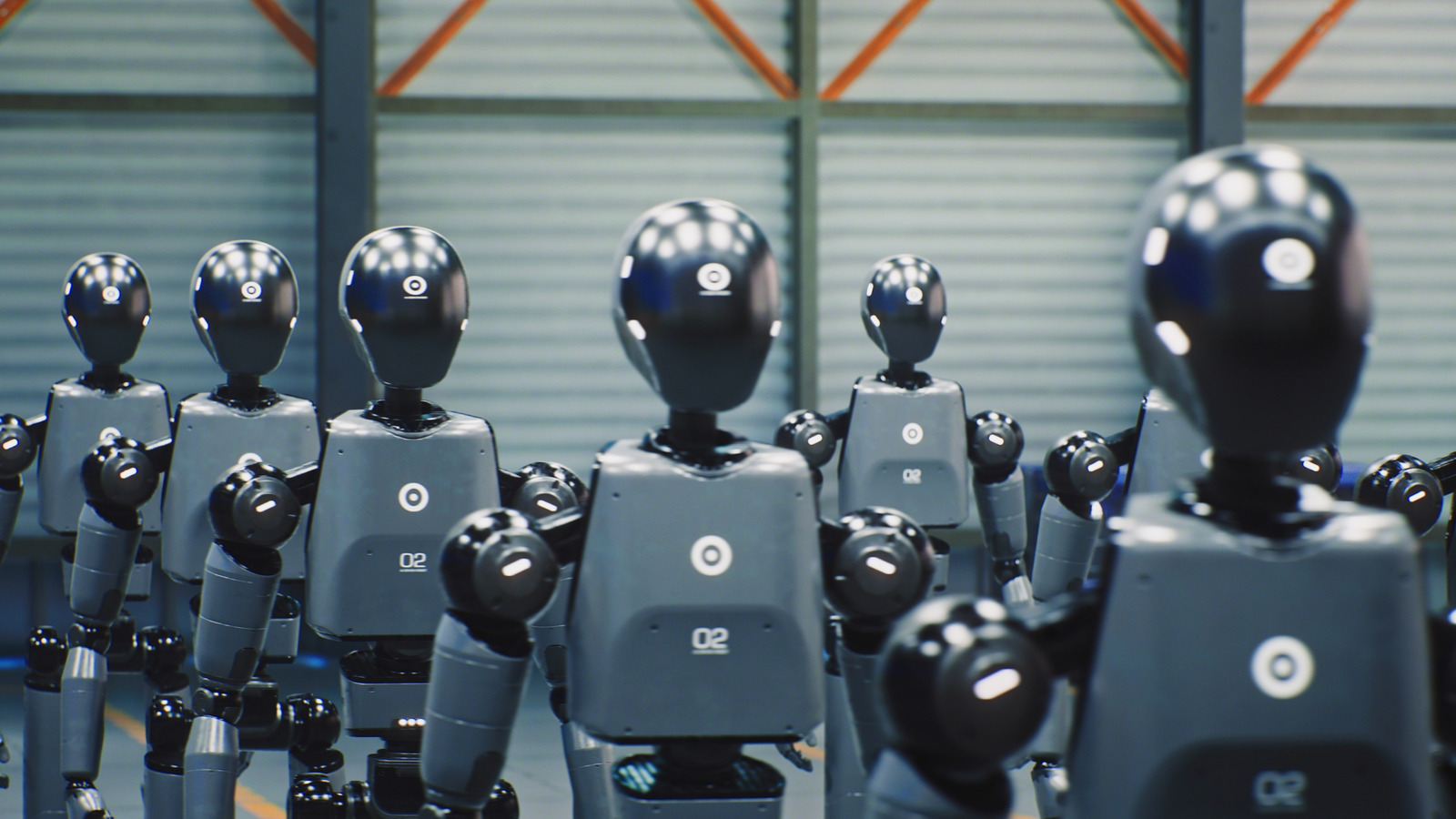
Meta has acquired Assured Robot Intelligence, or ARI, a startup focused on artificial intelligence for robots, in a move that adds specialized talent and a clearer technical direction to the company’s growing humanoid robotics ambitions. The deal brings ARI’s founders and team into Meta’s Superintelligence Labs, according to the companies’ public statements, and centers on a specific challenge that has become increasingly important across the robotics industry: how to build software capable of controlling general-purpose humanoid machines in complex real-world settings.
Financial terms were not disclosed. But even without a price tag, the strategic logic is easy to see. Meta has already been building robot hardware and AI internally. What ARI adds is deeper experience in robot control, self-learning systems, and the problem of coordinating a full humanoid body rather than a single narrow function. Those capabilities align with a view that the hardest bottleneck in robotics is no longer simply motors, frames, or sensors. It is the intelligence layer that turns machines into adaptable workers.
Why ARI matters
ARI described its own mission as addressing critical challenges in high-value labor markets. In practice, that points to a long-term goal shared by many large technology companies: creating robots that can handle useful physical work in environments built for humans. Warehouses, industrial sites, logistics hubs, and other labor-intensive settings are the obvious targets, but the broader prize is a general-purpose physical agent that can learn from experience and transfer skills across tasks.
That idea was underscored by ARI co-founder Xiaolong Wang, who said the company had come to believe that building a truly general-purpose physical agent meant aiming for a humanoid form factor and scaling through learning directly from human experience. Meta, in ARI’s telling, has access to the components needed to pursue that vision at larger scale.
The wording matters. The industry has spent years proving that robots can perform tightly bounded jobs. What remains unresolved is whether they can acquire flexible, reusable capabilities the way modern AI models have done in language and vision. ARI’s emphasis on self-learning and whole-body control suggests Meta is buying into that next phase rather than just pursuing conventional automation.
Meta’s software-first view of robotics
The acquisition also fits with comments Meta CTO Andrew Bosworth made in 2025, when he said the company’s aim was to create robotics software that other companies could license, drawing a comparison to Google’s Android strategy. That framing is significant because it suggests Meta may not be trying to win solely by manufacturing finished robots under its own brand. Instead, it may want to own the operating layer that other hardware makers depend on.
Bosworth said at the time that software was the bottleneck and described a plan that would start with developing software for a dexterous robotic hand before expanding outward. ARI gives Meta additional expertise for that expansion. Moving from hands to full-body humanoid control is not just a matter of adding more joints. It means handling locomotion, balance, manipulation, adaptation, and learning in combination. That is one of the most difficult problems in modern robotics.
If Meta can make progress there, it would strengthen the company’s position in a field that is beginning to look structurally similar to the AI model race: a handful of firms with capital, computing power, data advantages, and elite research teams are trying to define the core platform before the market settles.
A crowded race for humanoid systems
Meta is far from alone. Amazon has been pursuing humanoid robot work, and Tesla has kept pushing its Optimus program. The article also notes that Tesla repurposed production space in Fremont earlier this year from Model S and Model X manufacturing toward Optimus humanoid robots, a sign of how seriously some players are taking the category.
That competition matters because humanoid robotics is no longer being treated as a science-fiction side project. It is becoming a strategic area where companies are making organizational decisions, acquiring talent, and aligning long-term product plans. The common belief appears to be that if robots are going to move through human spaces and use human tools, a humanoid design could offer practical advantages, especially when combined with powerful learning systems.
Still, the sector remains early. The central questions are less about demo videos and more about reliability, cost, training efficiency, and deployment economics. A robot that can perform impressively in a lab but fails under operational pressure will not change industry. Meta’s interest in software and frontier capabilities suggests it understands that the route to scale runs through robust control and learning, not spectacle.
What this acquisition signals
The ARI purchase signals three things at once. First, Meta is accelerating rather than merely experimenting in robotics. Second, it views embodied AI as a serious extension of its broader superintelligence agenda. Third, it appears to believe that software leadership in humanoids could become as valuable as hardware leadership.
Whether that thesis pays off will depend on how well Meta can integrate ARI’s team and convert research into deployable systems. But the direction is clear. In a market where many companies talk about robots in broad terms, Meta has now made a concrete move toward whole-body humanoid intelligence, and it has done so by acquiring a team explicitly focused on the learning and control problems that stand between concept and capability.
This article is based on reporting by Engadget. Read the original article.
Originally published on engadget.com