When a Compliance Device Becomes a Point of Failure
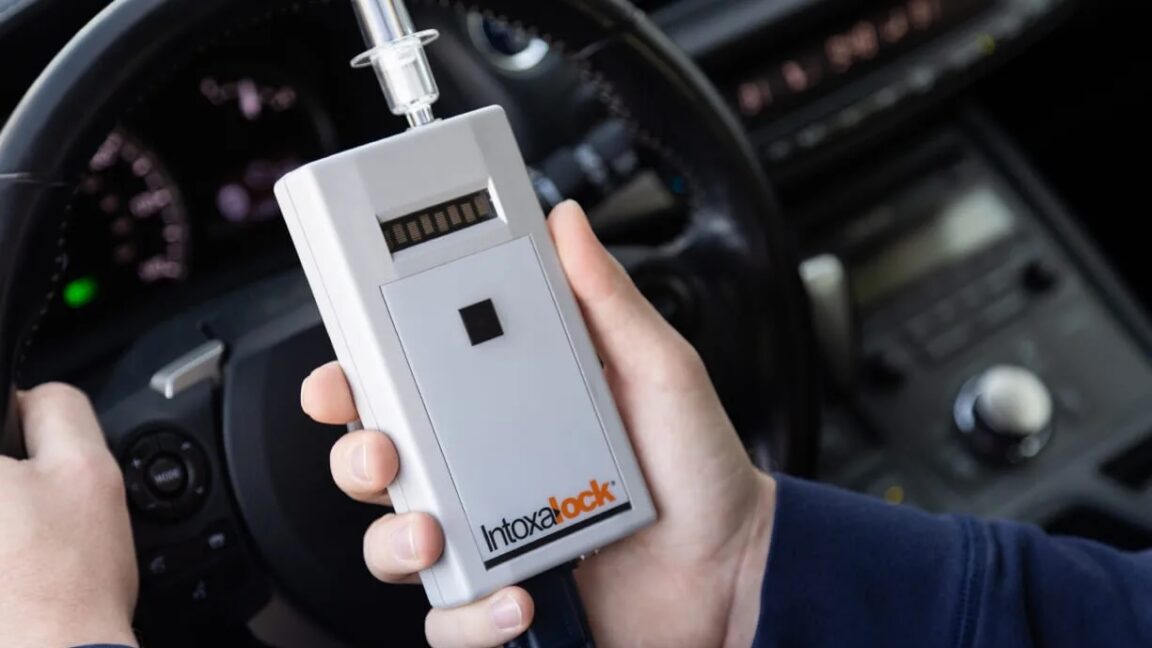
For millions of Americans convicted of driving under the influence, the ability to drive hinges on a small box mounted to the dashboard. Ignition interlock devices require the driver to blow a clean breath sample before the engine will turn over. Miss a calibration deadline, fail the test, or — as thousands discovered recently — have your provider get hacked, and you're not going anywhere.
That's precisely what happened when a cyberattack struck Des Moines, Iowa-based Intoxalock, one of the nation's largest ignition interlock providers. The breach disrupted the company's backend systems, leaving customers locked out of their own vehicles across dozens of states. For many, this wasn't merely an inconvenience — it meant missing work, court-mandated appointments, or medical visits, with potential legal consequences if their interlock logs showed non-compliance.
How the System Works — and Where It Breaks
Intoxalock devices don't operate in isolation. Like most modern compliance hardware, they connect to a cloud infrastructure that validates device status, processes breath test results, and tracks calibration schedules. Drivers must typically bring the device in for calibration every 30 to 90 days. If a calibration appointment is missed, the system enters a lockout mode — the car won't start until the issue is resolved.
When Intoxalock's servers went down following the attack, the devices couldn't phone home to confirm their calibration status. For some customers, this triggered automatic lockouts. Others found that the device's service window was closing and couldn't schedule appointments because the online portal was offline. With no backend to query, the interlock devices defaulted to their most restrictive state: immobilized.
Intoxalock devices also include GPS logging and, in some states, require photographic documentation of the driver blowing into the tube. All of this data flows through cloud infrastructure. When that infrastructure is compromised, the cascading effects extend far beyond a mere service outage — they touch the legal compliance records that courts and state DMVs rely on to confirm that DUI offenders are meeting their conditions.
The Human Cost of Critical Infrastructure Hacks
Ignition interlock programs affect an estimated 350,000 drivers in the United States at any given time, according to industry data. States including California, Texas, New York, and Illinois have mandatory interlock requirements for first-time DUI offenses. Compliance with the device isn't optional — failure to maintain an operational interlock can result in license suspension, probation violations, or even re-arrest.
This makes Intoxalock's infrastructure genuinely critical in the regulatory sense. A routine server outage at a streaming service is annoying. An outage at a court-mandated compliance provider can trigger cascading legal consequences for vulnerable people who had already navigated the justice system and were trying to rebuild their lives.
Reports from affected users described days of attempting to reach Intoxalock's customer service, which was itself overwhelmed by the surge in calls. Some users reported success only after contacting their state's department of motor vehicles directly to explain the situation — a workaround that requires navigating bureaucratic channels most people aren't equipped to handle under stress.
A Growing Pattern: Attacks on Niche Critical Infrastructure
The Intoxalock incident fits a broader and troubling pattern: ransomware and cyberattacks increasingly targeting niche providers of critical compliance or operational infrastructure rather than headline-grabbing enterprises. Healthcare providers, water treatment facilities, school districts, and now DUI compliance vendors have all found themselves in the crosshairs of attackers who recognize that these organizations often have limited cybersecurity resources despite their outsized real-world impact.
Intoxalock, which operates under the LifeSafer brand umbrella after acquisitions by larger automotive services companies, had not publicly disclosed the nature of the attack as of this writing. The company issued a statement acknowledging service disruptions and said it was working with cybersecurity experts to restore operations.
What the incident makes clear is that the business of mandatory compliance technology occupies a peculiar intersection of public safety and private enterprise. The devices are mandated by courts and regulated by states, but operated by private companies with varying levels of cybersecurity investment and crisis-response capability.

Rethinking Resilience in Compliance Hardware
Security researchers have long pointed out that cloud-dependent compliance devices represent a systemic vulnerability. When a device's core function — in this case, allowing a car to start — depends on a remote server that can be taken offline by an attacker, the failure mode is no longer just a service disruption. It becomes a civil liberties issue.
Some critics have argued that safety-critical functions of interlock devices should be designed to operate in offline or degraded modes, with cloud connectivity reserved for data reporting rather than real-time operational gating. A calibration status cached locally and synced periodically would not solve every problem, but it would prevent the kind of mass lockout that occurred here.
Others have raised the question of regulatory redundancy: if a provider is compromised, should states have backup authorization pathways so drivers aren't stranded while the primary system is offline?
For now, the thousands of drivers who couldn't start their cars because of a server breach in Iowa have gotten an unwanted lesson in how deeply physical reality depends on digital infrastructure — and how badly it can go when that infrastructure fails.
This article is based on reporting by Ars Technica. Read the original article.
Originally published on arstechnica.com