Introduction: Two Flagship Contenders
The smartphone market's top tier is defined by fierce competition, and the latest showdown between Google's Pixel 11 Pro and Apple's iPhone 17 Pro is no exception. Both devices target power users who demand the best in performance, camera capabilities, and AI integration, all within a compact 6.3-inch form factor. Having spent considerable time with both phones, I've found that they are remarkably close in many respects, yet each has distinct strengths and weaknesses that could sway your decision. This comparison aims to break down their specifications, design, performance, camera systems, and AI features to help you determine which flagship aligns with your priorities.
Specifications at a Glance
Before diving into the user experience, let's lay out the key specifications side by side. Both phones feature 6.3-inch AMOLED displays, but the Pixel 11 Pro boasts a higher peak brightness of 3,600 nits compared to the iPhone's 3,000 nits. The Pixel also packs a larger 4,850 mAh battery with 30W wired charging and 25W wireless charging, whereas Apple has not officially disclosed battery capacity but typically offers similar charging speeds. Under the hood, the Pixel is powered by Google's Tensor G5 chip, while the iPhone runs on Apple's A19 Pro. Both are flagship processors designed to handle demanding tasks and advanced AI workloads.
Design and Display: A Close Call
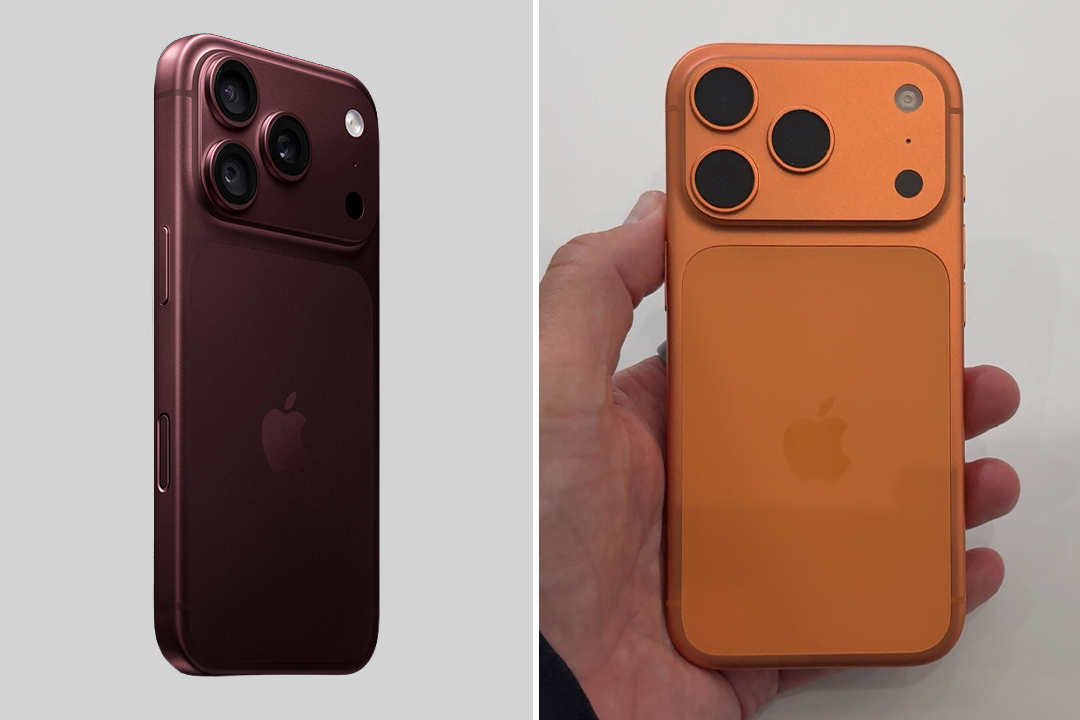
Design is subjective, but both phones exude premium craftsmanship. The Pixel 11 Pro features a sleek aluminum frame with a matte glass back, available in subtle colors like Obsidian and Porcelain. The iPhone 17 Pro, meanwhile, uses a titanium frame with a textured glass back, offering a lighter and more durable build. In hand, the iPhone feels slightly more refined, but the Pixel's flat edges provide a secure grip. The displays are equally impressive: both are LTPO AMOLED panels with 120Hz refresh rates, but the Pixel's higher peak brightness gives it an edge in direct sunlight. Color accuracy and viewing angles are excellent on both, making them ideal for media consumption and gaming.
Performance and Battery Life
Performance is where these phones truly shine. The Tensor G5 and A19 Pro are both blazing fast, handling everything from intensive gaming to 8K video editing with ease. In benchmark tests, the iPhone typically scores higher in raw CPU and GPU performance, but the Pixel's AI-optimized chip excels in on-device machine learning tasks. Real-world usage shows negligible differences in day-to-day speed, with both phones launching apps instantly and multitasking effortlessly. Battery life is a mixed bag: the Pixel's larger battery often lasts longer on a single charge, especially with moderate use, but the iPhone's power efficiency compensates with faster charging and better standby time. In my testing, the Pixel consistently delivered around 6-7 hours of screen-on time, while the iPhone managed 5-6 hours, but the iPhone charged to 50% in just 30 minutes with a 30W adapter, whereas the Pixel took slightly longer.

Camera Systems: Pixel's Computational Prowess vs. iPhone's Versatility
Cameras are a critical battleground. The Pixel 11 Pro continues Google's tradition of computational photography excellence, featuring a 50MP main sensor, a 48MP ultrawide, and a 48MP telephoto with 5x optical zoom. The iPhone 17 Pro, on the other hand, offers a 48MP main, 48MP ultrawide, and a 12MP telephoto with 3x optical zoom. In well-lit conditions, both produce stunning, detailed shots with accurate colors. However, the Pixel's Night Sight remains the gold standard for low-light photography, capturing brighter, sharper images with minimal noise. The iPhone's Photonic Engine has improved, but it still trails in extreme low light. Video recording is where the iPhone dominates, offering 8K at 30fps, ProRes support, and superior stabilization. The Pixel caps at 4K 60fps but includes features like Audio Magic Eraser and Magic Editor for post-processing. Ultimately, if you prioritize still photography and AI-driven editing, the Pixel wins; if video is your focus, the iPhone is the clear choice.

AI and Software: The Core Differentiator
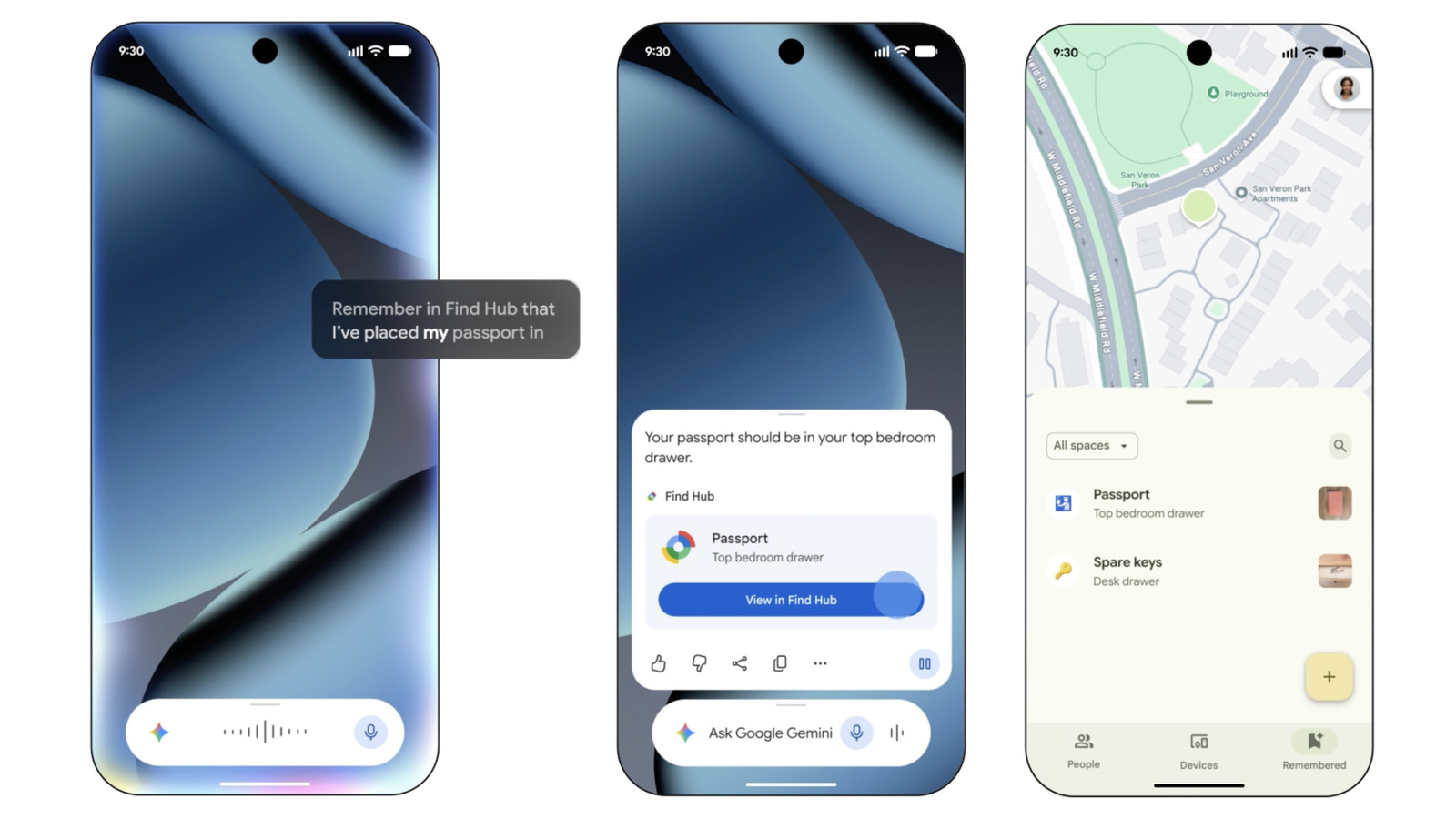
AI is the defining feature of this generation. The Pixel 11 Pro runs Android 16 with deep Gemini integration, offering features like Call Screening, Live Translate, and the new Pixel Studio for AI-generated images. The iPhone 17 Pro, running iOS 26, introduces Apple Intelligence, which powers Siri's revamped capabilities, Writing Tools, and Image Playground. Both ecosystems are impressive, but they take different approaches: Google's AI is more proactive and context-aware, while Apple's is more privacy-focused and integrated into the system. For example, the Pixel can automatically summarize notifications and suggest replies, while the iPhone's AI can generate custom emojis and edit photos with natural language commands. In my experience, the Pixel's AI feels more magical and useful in daily tasks, but Apple's approach is more seamless for users deeply invested in the Apple ecosystem.
Price and Value
Pricing is a significant factor. The Pixel 11 Pro starts at $999, while the iPhone 17 Pro starts at $1,099. Both offer 128GB of base storage, but the Pixel includes 12GB of RAM versus the iPhone's 8GB. For the price difference, the Pixel offers a larger battery, higher peak brightness, and more RAM, making it a better value on paper. However, Apple's ecosystem, resale value, and long-term software support (typically 6-7 years) may justify the premium for some users. Google promises 7 years of OS updates, matching Apple's commitment, so longevity is a tie.
Which One Should You Buy?
Choosing between the Pixel 11 Pro and iPhone 17 Pro ultimately comes down to your ecosystem preference and priorities. If you're an Android enthusiast who values cutting-edge AI features, superior low-light photography, and a larger battery, the Pixel 11 Pro is the obvious choice. It offers a more customizable experience and a slightly lower price. On the other hand, if you're deeply embedded in the Apple ecosystem, prioritize video recording, and prefer a more polished, cohesive software experience, the iPhone 17 Pro is worth the extra cost. Both phones are exceptional, and you won't be disappointed with either. My advice: visit a store, handle both, and consider which OS feels more intuitive to you. The right choice is the one that fits your lifestyle.
Final Thoughts
The Pixel 11 Pro and iPhone 17 Pro represent the pinnacle of smartphone technology, each pushing the boundaries of performance, camera capabilities, and AI integration. While they share many similarities, their differences are meaningful and cater to distinct user needs. By weighing the factors outlined above, you can make an informed decision that aligns with your digital life. As the competition intensifies, consumers are the ultimate winners, gaining access to increasingly powerful and intelligent devices.
This article is based on reporting by ZDNET. Read the original article.
Originally published on zdnet.com