The Navy is warning of an unusually near-term budget squeeze
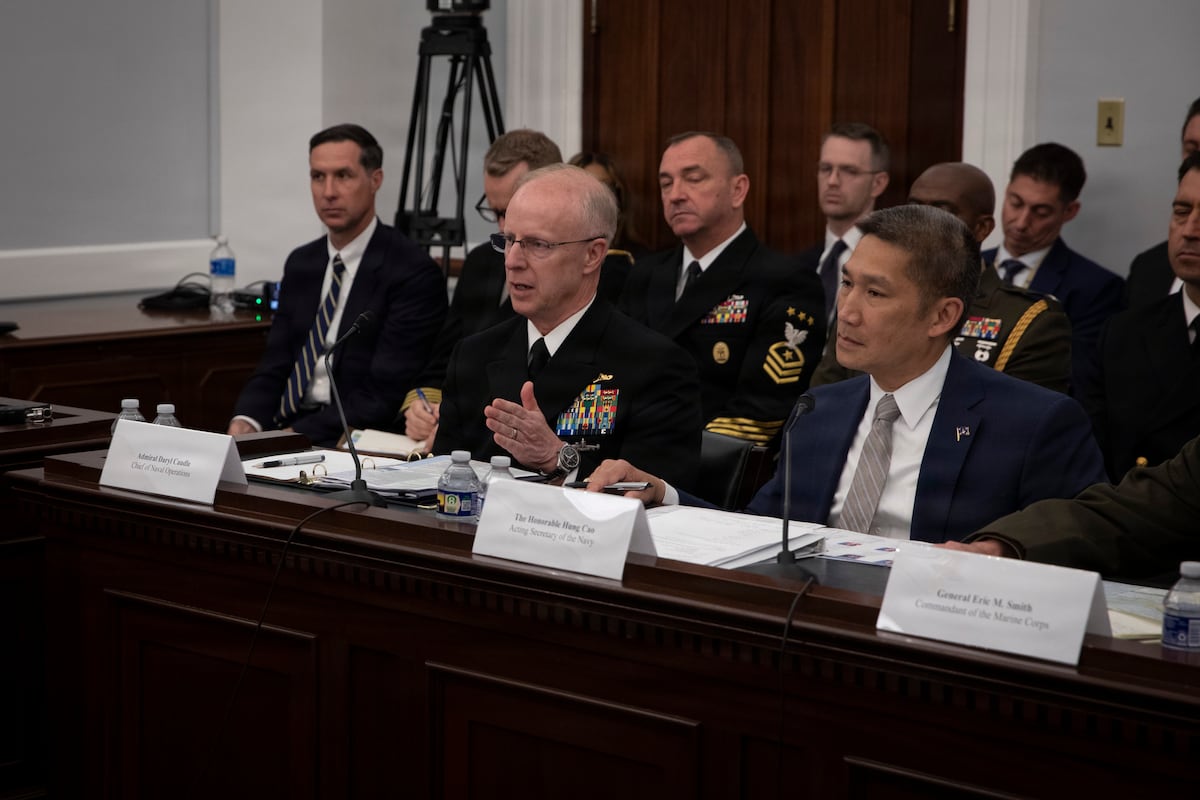
The U.S. Navy could be forced to change how it trains and operates as early as July if it does not receive additional money, according to testimony delivered to lawmakers on May 13. Chief of Naval Operations Adm. Daryl Caudle told the House Appropriations Subcommittee on Defense that the service needs an infusion of cash within the next two months to avoid disruptions tied to its current pace of operations in the Middle East.
The warning is notable not only because of the substance, but because of the timeline. Service budget pressures are common, but Caudle’s statement puts the potential impact inside a matter of weeks. He said that, on the current expenditure path, he would have to begin making decisions in the July timeframe affecting training, operations, and certification events used to generate naval forces.
That makes the issue more than an abstract budget dispute. It raises the prospect of near-term operational tradeoffs inside one of the U.S. military’s most globally deployed services.
What the Navy says is at risk
Caudle’s comments focused on the activities that sustain readiness. In his words, the service may need to adjust “training, operations, certification events, those type of things we do to generate our force.” Those functions sit at the core of how the Navy prepares ships, sailors, and units for deployment.
If the service has to slow or alter those cycles, the effects would not necessarily appear first as a single dramatic cut. Instead, the pressure could emerge through postponed events, modified training plans, or other readiness decisions designed to stretch available funds. The source text does not list specific cancellations, but it makes clear that Caudle sees the risk as immediate if more money does not arrive.
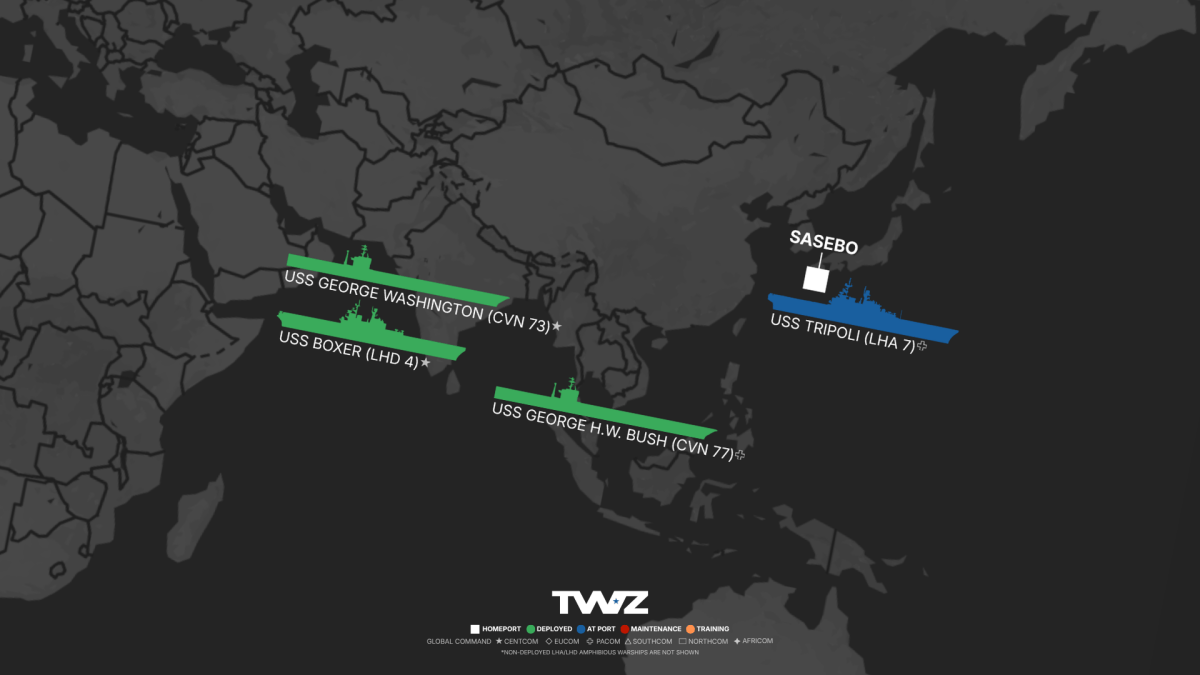
The article ties the budget stress directly to the current operational tempo in the Middle East. That framing matters because it links the financial crunch to real-world demand rather than to an ordinary internal accounting issue. Sustained deployments and operations consume money quickly, and the Navy’s top officer is signaling that the existing budget posture is no longer sufficient to absorb that pace without a supplemental measure.

Why supplemental funding matters here
According to the report, the additional money would need to come through a supplemental funding request. The article also states that the Trump administration has not yet submitted such a request to Congress.
That leaves the Navy in a constrained position. The service is identifying an urgent need, but the mechanism required to address it has not yet been formally advanced. Until that changes, Congress cannot move on a concrete supplemental request for the shortfall described in the hearing.
In practical terms, the testimony puts pressure on both the administration and lawmakers. The administration would need to send the request, and Congress would need to act on it quickly enough to affect the July timeline Caudle described. Without that sequence, the Navy may have to make internal changes before any relief arrives.
Readiness versus sustained demand
The broader significance of the warning lies in the tension between current operations and future readiness. Military services can often maintain a high tempo for a period by drawing harder on existing resources. But when funding does not keep pace, the burden tends to shift onto training cycles, maintenance decisions, or certification events that prepare the next set of forces.
Caudle’s testimony suggests the Navy is approaching that point. He did not frame the concern as hypothetical long-range planning. He tied it to the service’s “current expenditure” and put a month on when decisions may begin.
That makes the warning politically salient as well. Budget hearings often involve generalized warnings about underfunding, but a service chief naming a near-term operational decision point gives lawmakers a clearer marker for consequences. The issue is not simply whether the Navy wants more funding in principle. It is whether it can sustain ongoing demands without starting to alter force-generation activities within weeks.

The strategic backdrop
The source text specifically references operations in the Middle East as the driver of the current spending rate. That region has repeatedly imposed high demand on naval forces because of the need for sustained presence, protection, deterrence, and support functions across wide operating areas.
When those demands intensify, the Navy’s flexibility depends on both inventory and cash. Ships and crews may still be available, but operating them, training successors, and keeping certification pipelines intact all require funding. Caudle’s warning indicates that money, not only force structure, is becoming the immediate limiting factor.
That distinction matters because it means the Navy’s concern is not simply about longer-term modernization or future shipbuilding debates. It is about the service’s ability to preserve the processes that keep forces ready under present operational strain.
What happens next
The next step depends on whether a supplemental request is sent to Congress and how quickly lawmakers respond. The article does not predict the outcome, but it establishes the stakes plainly: without additional funding, the Navy may begin adjusting training, operations, and certification events in July.
For the Pentagon and Capitol Hill, that creates a short window. A delay would increase the chance that the Navy starts making readiness-affecting decisions before new funding is available. Even if those steps are temporary, they would be evidence that current operating demand has overtaken the financial assumptions supporting it.
The hearing therefore serves as both a budget warning and an operational signal. The Navy is telling Congress that its current tempo cannot be sustained indefinitely on the present funding path. Whether that warning produces a quick response will determine if the service can avoid cuts to the activities that generate and certify the force.
This article is based on reporting by Defense News. Read the original article.

Originally published on defensenews.com