Ukraine is pursuing both immediate capacity and long-term fighter modernization
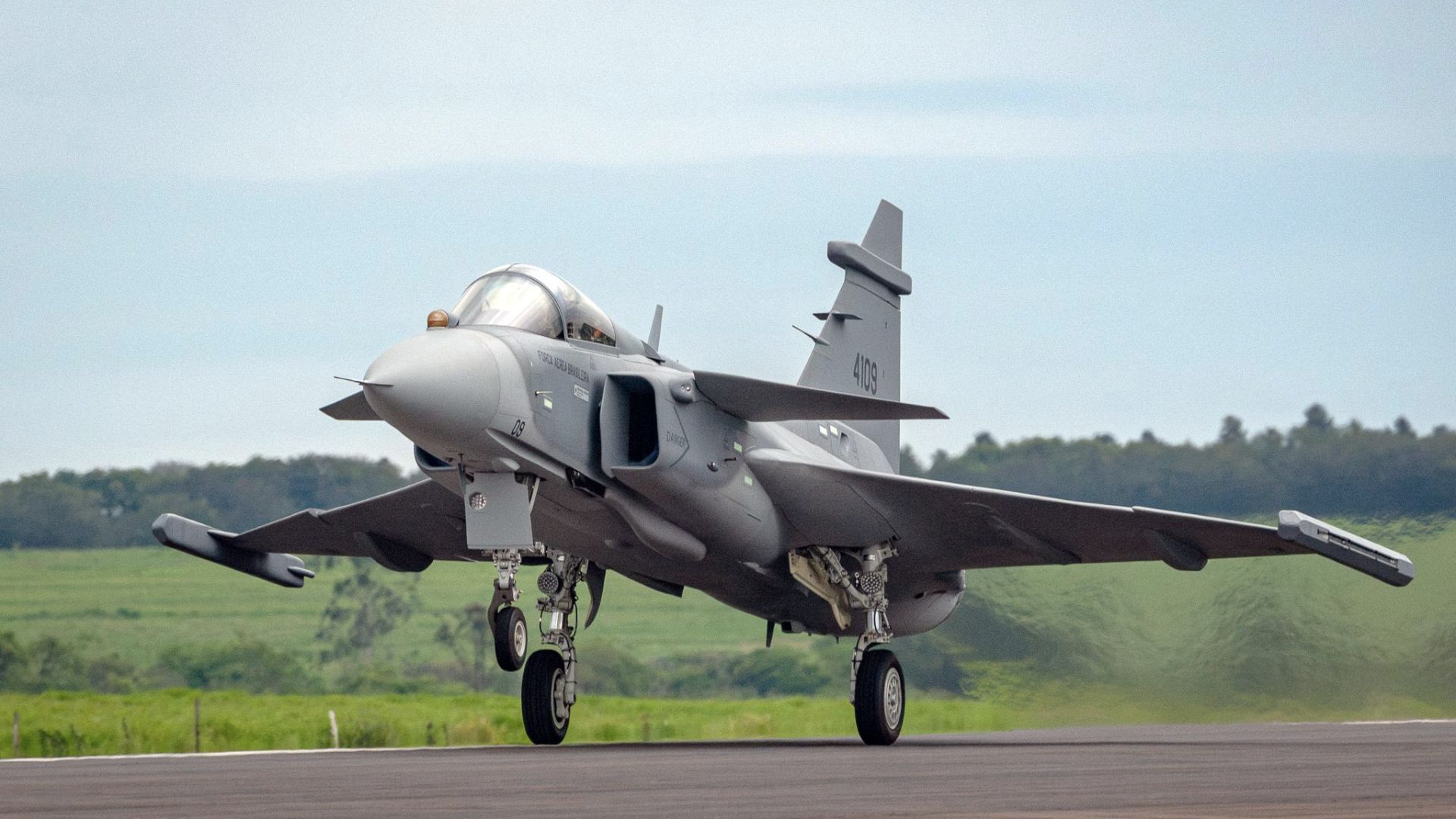
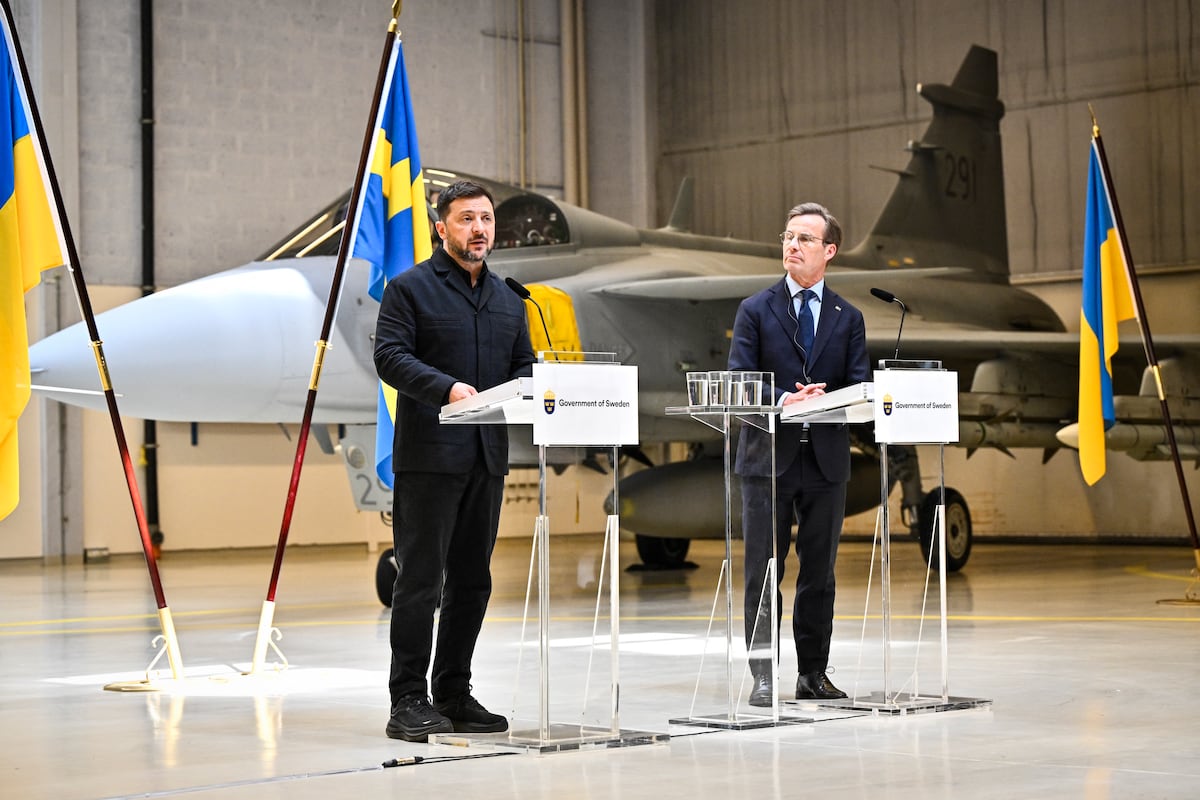
Ukraine has taken a significant step in reshaping its future air force, with President Volodymyr Zelenskyy and Swedish Prime Minister Ulf Kristersson announcing that Kyiv will buy 20 new Saab Gripen E fighter jets while Sweden donates 16 older C/D models next year. The structure of the arrangement is notable because it addresses two very different timelines at once: urgent near-term air-defense needs and a longer-term modernization plan.
The newer Gripen E deliveries are not expected until 2030, according to the supplied source text. That would normally leave a long gap between procurement and operational benefit. Sweden’s donation of older aircraft changes that equation by creating a stopgap force that can begin contributing earlier while Ukraine prepares for the more advanced fleet.
Zelenskyy framed the deal in strategic terms, saying the aircraft mark a new chapter for Ukraine. Kristersson was equally direct, describing Gripen as the next major step on a joint path and presenting the aircraft as the right fit for Ukrainian needs.
Why Gripen matters for Ukraine
The appeal of the Gripen platform is not only combat performance. The fighter has long been marketed as a cost-efficient and maintainable alternative to more expensive Western aircraft, able to operate from dispersed air bases and even ordinary roads. For a country at war and under repeated threat to fixed infrastructure, that operating model is a practical advantage rather than a marketing detail.
Ukraine’s current air force is a mixed fleet of Soviet-origin and Western aircraft, which creates complexity in training, logistics and sustainment. A Gripen acquisition would not remove those challenges overnight, but it would anchor part of the future force in a platform specifically valued for survivability, maintainability and interoperability with Western partners.
The financing structure also matters. According to the source text, Ukraine plans to use €2.5 billion from a broader €90 billion European Union loan package for the aircraft, and a deal for Gripen E could be signed within months. That gives the announcement more weight than a symbolic statement of intent. Funding has been identified, and a procurement path appears to be actively taking shape.
Sweden’s role is strategic as well as industrial
For Sweden, the arrangement carries clear geopolitical and industrial significance. Stockholm has been one of Ukraine’s largest contributors of military and civilian aid since Russia’s invasion, and the Gripen plan extends that support into high-value airpower. Donating older aircraft sooner gives Sweden a way to add immediate utility while locking in a deeper long-term defense relationship.
The agreement also benefits Saab. The source text says the company’s shares rose after the announcement, and CEO Micael Johansson described it as a big day that adds to Gripen’s momentum. That reaction is unsurprising. Combat adoption and expansion into new operator countries both strengthen an aircraft’s market position. If Gripen begins flying operationally for Ukraine, its profile in future export competitions could improve further.
There is also a broader European defense-industrial angle. Supplying Ukraine with European fighters financed in part through EU-backed mechanisms reinforces the idea that Europe can arm and sustain major defense capabilities through its own industrial base, even while working within wider transatlantic structures.
A procurement signal with battlefield implications
The near-term military effect will depend on timing, training and how quickly the donated C/D jets can be integrated. Fighter aircraft are not plug-and-play systems. Pilots, maintainers, basing concepts and munitions pipelines all matter. But the dual-track structure of the plan is sound. It avoids presenting long-lead procurement as if it solves immediate combat needs, while still giving Ukraine a path toward a more sustainable future force.
The scale may also grow. Zelenskyy said Ukraine ultimately plans to buy all 150 jets mentioned in the original letter of intent. That is an ambition rather than a completed order, but it signals the extent to which Gripen is now being considered as a central pillar of Ukraine’s postwar and wartime airpower planning.
In practical terms, the announcement shows how military procurement is increasingly being designed around layered timelines. Ukraine needs aircraft that can contribute soon, but it also needs a fleet architecture that can endure. Sweden’s combination of donations and later-model sales tries to solve both problems at once.
If the schedule holds, the Gripen deal will be remembered not just as a purchase announcement but as a transition plan: from survival under air threat toward a more coherent Western fighter force built for the long war and whatever security order follows it.
This article is based on reporting by Defense News. Read the original article.
Originally published on defensenews.com