From export bans to controlled market access
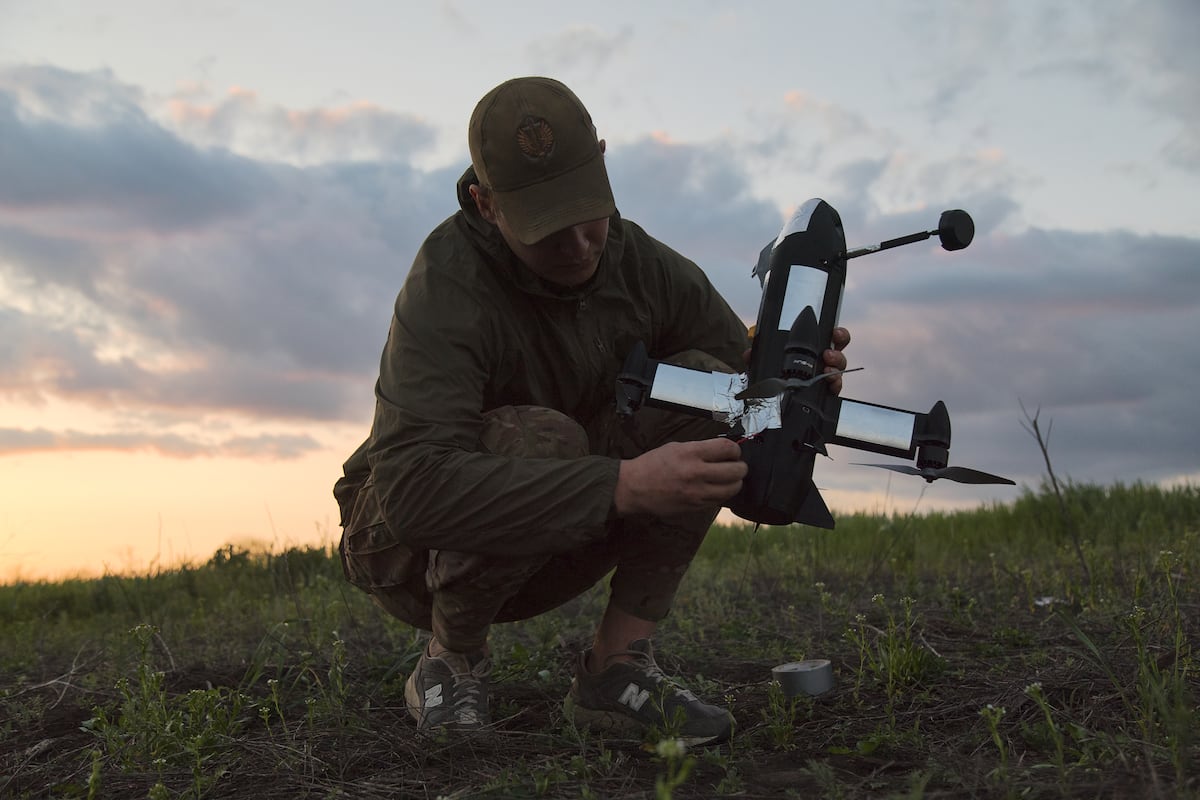
Ukraine is moving toward a new defense export model that could route its drone technology into joint ventures on U.S. soil, a notable shift for a country that effectively banned arms exports after Russia’s full-scale invasion in 2022 to preserve supply for its own military.
According to the report, a draft memorandum outlined by the U.S. State Department and Ukraine’s ambassador in Washington would create a legal channel for Kyiv to sell weapons to the United States for the first time under this wartime framework. The arrangement would integrate Ukrainian producers into joint ventures and technology-transfer deals with American companies.
The change comes after several fast-moving developments. Kyiv adopted an export framework called “Drone Deals,” launched a procurement coalition with European partners, and watched Washington lift a 1997 import ban while bilateral export contracts began to appear.
Why Ukraine is changing course now
For much of the war, Kyiv was cautious about allowing domestic manufacturers to sell abroad. The concern was obvious: companies might prioritize higher-margin exports over supplying Ukraine’s own forces. President Volodymyr Zelenskyy addressed that issue directly, saying the military would retain priority access and that only volume beyond domestic need would go to export.
The context has changed. The source says foreign defense funding to Ukraine reached $6.1 billion in 2025, roughly ten times the previous year’s figure of about $600 million. At the same time, Ukraine has built an arms sector that now produces much of the equipment visible on the battlefield, even if war conditions have made scaling difficult.
That combination appears to have reduced fear that exports would leave the armed forces empty-handed.
Drone experience becomes industrial leverage
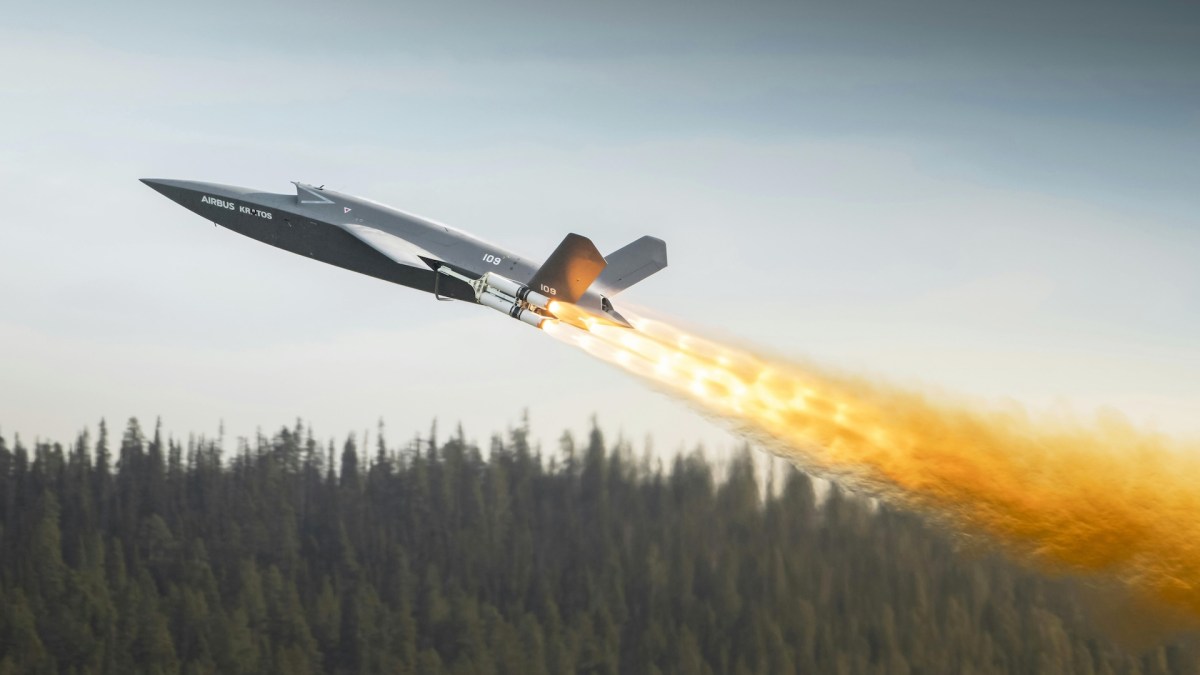
Ukraine’s central pitch is practical rather than rhetorical. Its drone producers and military units have accumulated real combat experience in a large-scale war, and Kyiv now wants to convert that experience into industrial partnerships. Zelenskyy promoted bilateral “Drone Deals” at a May 13 summit in Bucharest, arguing that Europe’s production capacity and Ukraine’s battlefield expertise should be linked.
If the U.S. memorandum moves forward, American firms could gain more direct access to Ukrainian design lessons, operational feedback, and manufacturing approaches shaped by continuous wartime adaptation. That would make the agreement about more than exports alone. It would be a channel for absorbing combat-proven defense technology into allied supply chains.
What it means for Ukraine and its partners
For Ukraine, controlled exports could bring revenue, stronger foreign industrial ties, and a larger role in allied defense ecosystems. For partners, especially the United States, the appeal is access to a fast-evolving drone innovation base that has been tested under extreme operational pressure.
The policy shift also shows that Ukraine’s defense industry is maturing from emergency production toward something more strategic and international. The war remains the reason for that industrial surge, but Kyiv is trying to ensure it also becomes an economic and technological asset.
The challenge now is governance. Opening exports while preserving frontline supply will require tight controls and political trust. Ukraine appears to believe it can now manage that balance. If so, its wartime drone sector may become one of its most influential long-term exports.
This article is based on reporting by Defense News. Read the original article.
Originally published on defensenews.com