Launch infrastructure is becoming the bottleneck
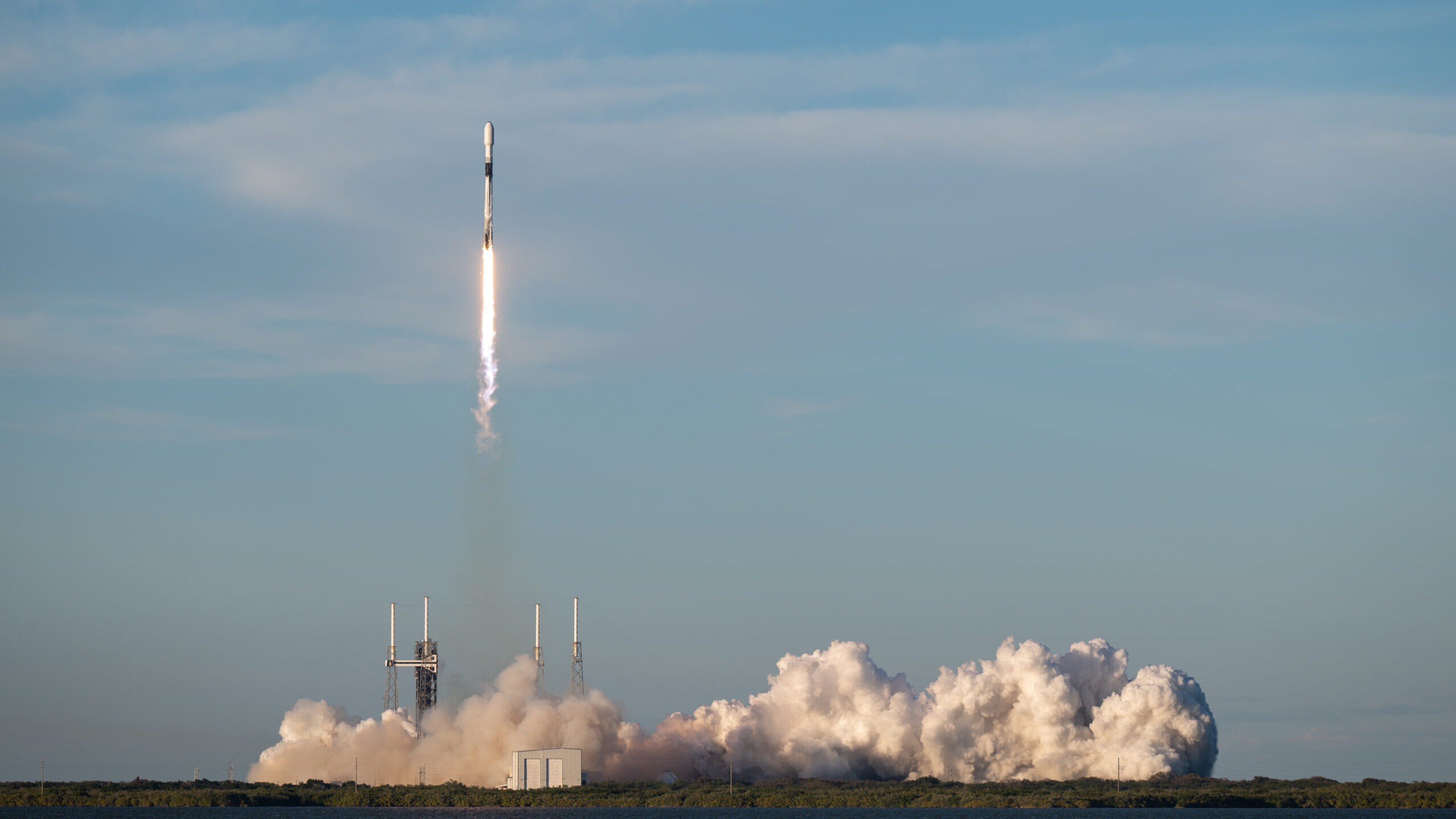
The United States may be approaching a new phase in the space race, one defined less by rocket design than by the ground systems needed to fly them. According to Air Force Secretary Troy Meink, a new Department of the Air Force study concludes that the country will probably need an additional launch site capable of handling heavy and super-heavy rockets, beyond the current concentration at Cape Canaveral in Florida and Vandenberg Space Force Base in California.
The statement is significant because it reframes a problem that has been building quietly beneath the headline growth in launch activity. Rocket companies have expanded capabilities, military demand is climbing, and commercial constellations are multiplying. But those gains can still stall if too many missions are trying to move through the same ranges, pads, and support infrastructure.
What the study found
Speaking to the House Armed Services Committee, Meink said the recently completed study indicates that the United States “probably” needs another site with heavy- and super-heavy-launch capability. He described launch infrastructure as a surprising limiting factor on the nation’s ability to expand commercial launch capacity in ways that also support national security missions.
The comment echoes warnings the Space Force has already begun making in public. Last year, the service said the rapid increase in launch demand from both government and private customers risked overwhelming the two major ranges it currently relies on. Meink’s remarks suggest that concern has now hardened into a more formal internal assessment.
The numbers driving the concern
Lt. Gen. David Miller, the Space Force deputy for strategy, plans, programs and requirements, said this week that the service alone is looking at around 1,000 launches between fiscal years 2027 and 2031. Even without broader commercial demand, that is a major scheduling and infrastructure challenge. With commercial traffic included, the strain becomes more obvious.
The article also cites a forthcoming Commercial Space Foundation report, noted by Payload, that estimates the wider space community could require as many as 7,000 launches annually, with some classes of launch vehicles potentially facing capacity constraints as soon as 2030. Even if those figures are treated as directional rather than definitive, they underscore the same point: the national launch system is being pushed by a scale of demand it was not originally built to absorb.
Why a new site matters
Building another heavy-launch-capable site is not a small adjustment. It involves land, environmental review, range safety, tracking, fuel and handling systems, security, logistics, workforce development, and industrial coordination. A new range also has to fit into a wider national architecture that includes commercial operators, defense missions, testing schedules, and weather patterns.
Still, the logic is straightforward. If launch cadence becomes a strategic asset, then range congestion becomes a strategic vulnerability. National security payloads cannot afford to compete indefinitely for scarce access to infrastructure that was designed for a different tempo. Commercial operators, meanwhile, need predictability if they are going to plan vehicle production, manifest schedules, and customer commitments with confidence.
Another launch site could create more capacity, geographic flexibility, and resilience. It could reduce the operational pressure on existing ranges while giving the United States more options for different orbital inclinations and mission profiles. It might also help distribute industrial growth beyond today’s most crowded corridors.
Efficiency first, expansion second
Chief of Space Operations Gen. Chance Saltzman emphasized that the first step is to ensure the Space Force is using current resources as efficiently as possible. That caveat matters. Calls for new infrastructure often face scrutiny from lawmakers who want proof that the existing system has been optimized before billions are spent on expansion.
That means any push for a new site will likely unfold alongside efforts to squeeze more throughput from Cape Canaveral and Vandenberg through process improvements, scheduling changes, upgraded range operations, and tighter coordination with commercial users. In other words, the argument will not simply be that demand is high. It will be that demand remains high even after current assets are used more effectively.
A broader strategic shift
The debate also reflects a deeper change in how the Pentagon views space. Launch is no longer an occasional support function for a limited number of exquisite missions. It is becoming a recurrent operational requirement tied to resilient constellations, replenishment, rapid deployment, and a commercial ecosystem the military increasingly depends on.
As that shift continues, launch infrastructure starts to look less like a static base-management issue and more like a core component of deterrence, logistics, and industrial policy. The more satellites the United States expects to field and sustain, the more launch range capacity becomes a matter of national capability.
What happens next
For now, the study is moving through the process toward Capitol Hill. That means the hardest questions are still ahead: where a new site could go, how much it would cost, who would operate what, and how quickly it could be brought online. It also means the conversation is moving from abstract concern to procurement and policy reality.
Whether the United States acts quickly will depend on how seriously it treats launch congestion as a near-term constraint rather than a future inconvenience. Meink’s testimony suggests the issue has already crossed that threshold inside the Department of the Air Force.
If so, the country’s next major space investment may not begin with a rocket at all. It may begin with concrete, range instrumentation, and the decision to build more room for the launch economy it has already created.
This article is based on reporting by Breaking Defense. Read the original article.
Originally published on breakingdefense.com