Peacekeeping is shrinking as the world’s conflicts remain severe
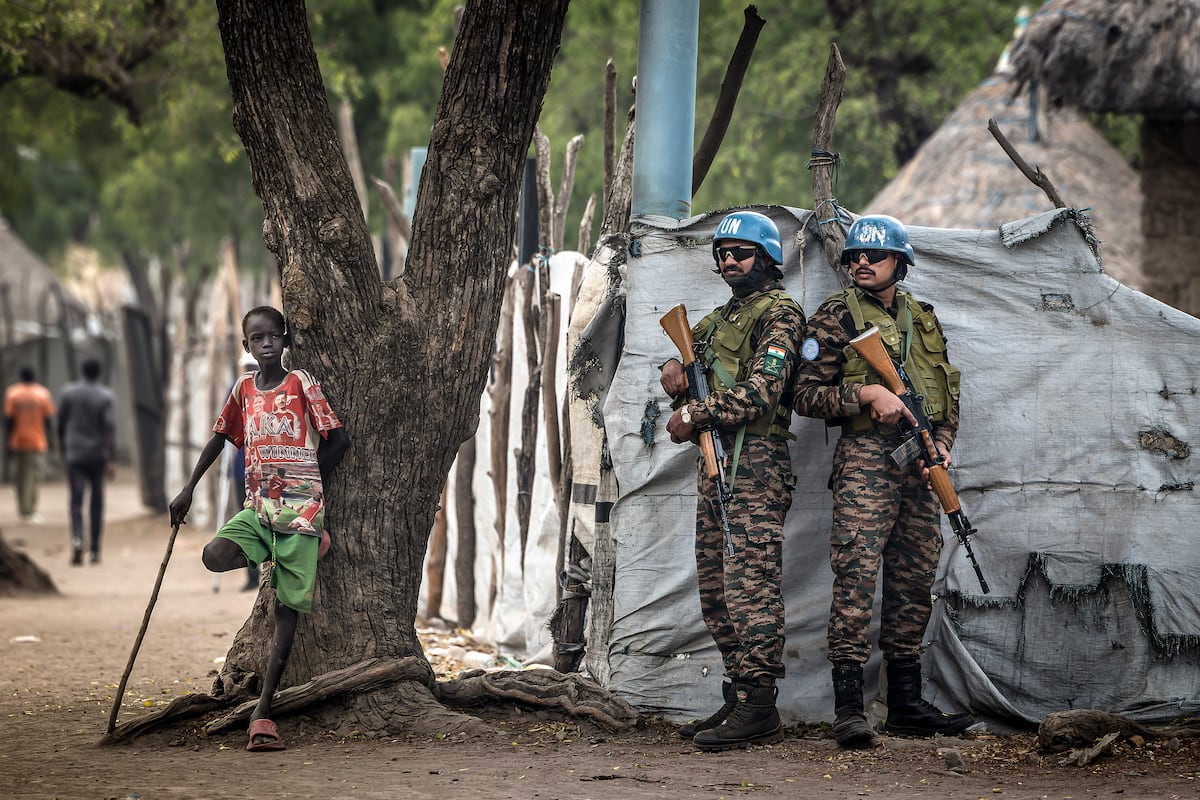
The number of military personnel serving in peacekeeping operations around the world fell to its lowest level in at least 25 years in 2025, according to new research from the Stockholm International Peace Research Institute. By the end of December, 78,633 international personnel were deployed for peace operations, down 17% from a year earlier and 49% below the level recorded at the end of 2016.
The figures point to a steep contraction in one of the core instruments of multilateral conflict management. SIPRI argues that the decline is being driven not by a reduction in need, but by a combination of delayed funding, geopolitical fragmentation and weakening support for international institutions.
That combination, the institute warns, could have direct consequences for civilians if peace operations continue to lose scale and political backing.
A funding crisis at the center of the decline
SIPRI says the cuts in deployed personnel were mainly caused by a funding crisis at the United Nations, triggered by delayed or unpaid contributions from major donors. That shortfall forced abrupt spending reductions and personnel cuts across several major operations.
At the start of July 2025, the UN peacekeeping budget faced a $2 billion shortfall, according to the report. The budget approved by the UN General Assembly for the 2025-2026 period was cut to $5.38 billion, described by SIPRI as the lowest in at least a decade.
Budget numbers can sound abstract, but in peacekeeping they translate quickly into troop levels, mission reach and the ability to sustain logistics, protection and monitoring activities in fragile settings. When personnel numbers fall sharply, the practical effect is fewer people on the ground to observe ceasefires, support stabilization or help protect civilians.
More missions, less capacity
The United Nations remained the main organizer of multinational peacekeeping operations in 2025, accounting for 18 operations and 67% of deployed personnel. Even so, most peacekeeping efforts by count were led by regional organizations and alliances, which together accounted for 34 operations.
That split reveals an important structural issue. The UN still carries most of the personnel burden, but a wider ecosystem of regional missions is increasingly important in practice. SIPRI researchers argue those regional organizations often lack key capabilities for integrated peacebuilding and face their own funding problems and internal disagreements.
If UN missions are shrinking while regional actors remain under-resourced, the result is not a simple transfer of responsibility. It can mean an overall loss of effective conflict-management capacity.
Geopolitics is undermining multilateralism
SIPRI’s report ties the peacekeeping decline to a broader deterioration in support for multilateral institutions. Researchers say Russia’s involvement in conflicts in Africa is hurting security governance there. They also argue that the United States under President Donald Trump has been undermining multilateralism, while China and Europe are either unwilling or unable to take on the task of sustaining the system.
The report specifically says the United States took significant action in 2025 to withdraw from, defund or challenge various UN bodies. That included efforts to end UN peacekeeping operations such as the UN Interim Force in Lebanon, or UNIFIL.
These political pressures matter because peacekeeping depends on more than troop commitments. It depends on a shared willingness among major powers to fund missions, authorize mandates and accept institutions that are never politically neutral but are meant to operate as collective tools.
Why SIPRI sees more than a budget problem
Jaïr van der Lijn, director of SIPRI’s peace operations and conflict management program, warned that if current trends continue, multilateral conflict management could be dramatically weakened and institutions such as the United Nations could be nearly sidelined by a “perfect storm” of funding, political and geopolitical factors.
He also warned that the likely result would be more conflicts and graver impacts on civilians as states abandon long-established norms. That framing shows SIPRI sees the current contraction as systemic rather than cyclical. This is not merely a temporary accounting issue. It is a test of whether major states still want multilateral peace operations to function at meaningful scale.
Senior researcher Claudia Pfeifer Cruz added that regional organizations are themselves constrained by funding shortfalls and by an inability to reach agreement, leaving them poorly positioned to replace lost UN capacity on their own.
The bigger significance of the 2025 numbers
The end-of-year total of 78,633 deployed personnel is important because it crystallizes a longer decline. A near-halving since 2016 suggests peacekeeping is not experiencing a modest correction but a deep reset. The world is entering a period in which conflict-management demand may remain high even as the institutional machinery designed to address it is being pared back.
That creates a dangerous mismatch. Peace operations have always been imperfect, politically contested and uneven in effectiveness. But SIPRI’s data suggests the alternative now taking shape is not a better model waiting in the wings. It is less money, fewer people and weaker shared commitment.
If that trajectory continues, the implications will extend well beyond mission rosters and budget resolutions. They will be felt in the places where peacekeeping forces are no longer present in former numbers, and where civilians may face violence with fewer international buffers than before.
This article is based on reporting by Defense News. Read the original article.
Originally published on defensenews.com