America's Submarine Industrial Base Under Pressure
The United States Navy is reportedly planning to invest approximately $900 million in AI-driven automated manufacturing facilities specifically designed to scale up submarine production. The investment reflects growing alarm within the defense establishment about the capacity of America's submarine industrial base to produce vessels at the rate required to maintain strategic parity with China's rapidly expanding naval force. The automated factory initiative represents one of the most ambitious efforts to modernize American defense manufacturing in decades.
The Production Bottleneck Problem
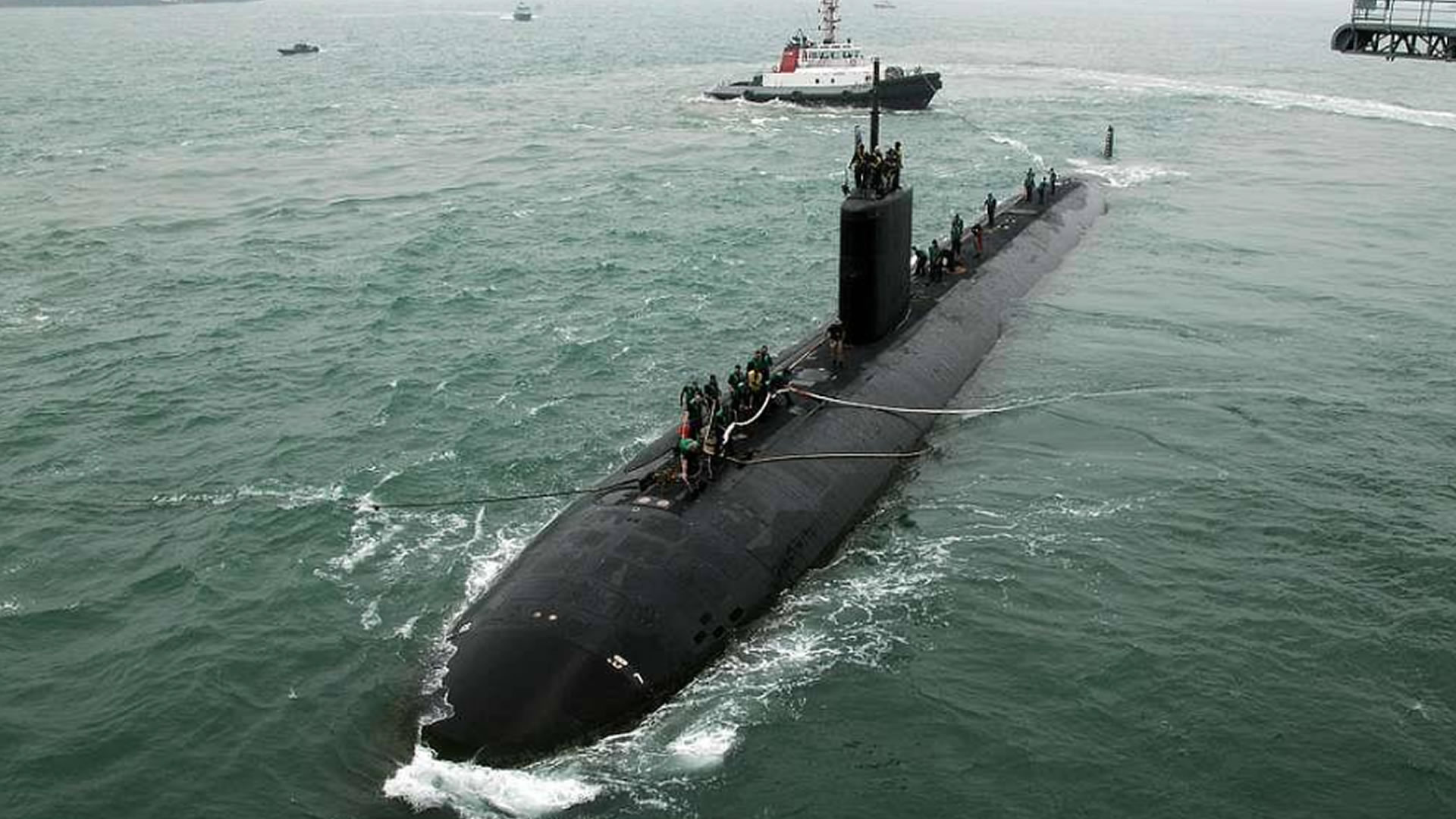
The United States nuclear submarine fleet relies on a relatively small number of shipyards with the specialized skills and facilities to build and maintain nuclear-powered vessels. General Dynamics' Electric Boat and Huntington Ingalls Industries' Newport News Shipbuilding are the only shipyards in the country capable of constructing nuclear submarines. Both have faced persistent workforce, supply chain, and scheduling challenges that have pushed submarine delivery timelines significantly behind original schedules.
The Navy's Virginia-class submarine program—the backbone of the fast-attack fleet—has experienced years of delivery delays. Meanwhile, the US has committed to providing Australia with nuclear-powered submarines under the AUKUS agreement, adding demand to an already strained industrial base. The gap between the submarines the Navy needs and the submarines the industrial base can produce has become one of the central concerns of US naval strategy.
What AI-Driven Automation Addresses
Traditional submarine manufacturing relies heavily on skilled human labor performing complex, precision tasks—welding, fitting, testing, and integrating systems in confined spaces under exacting nuclear safety standards. The skilled workforce required for this work takes years to develop, and the current pipeline of trained workers has not kept pace with demand. AI-driven automation targets the most labor-intensive and reproducible elements of the manufacturing process.
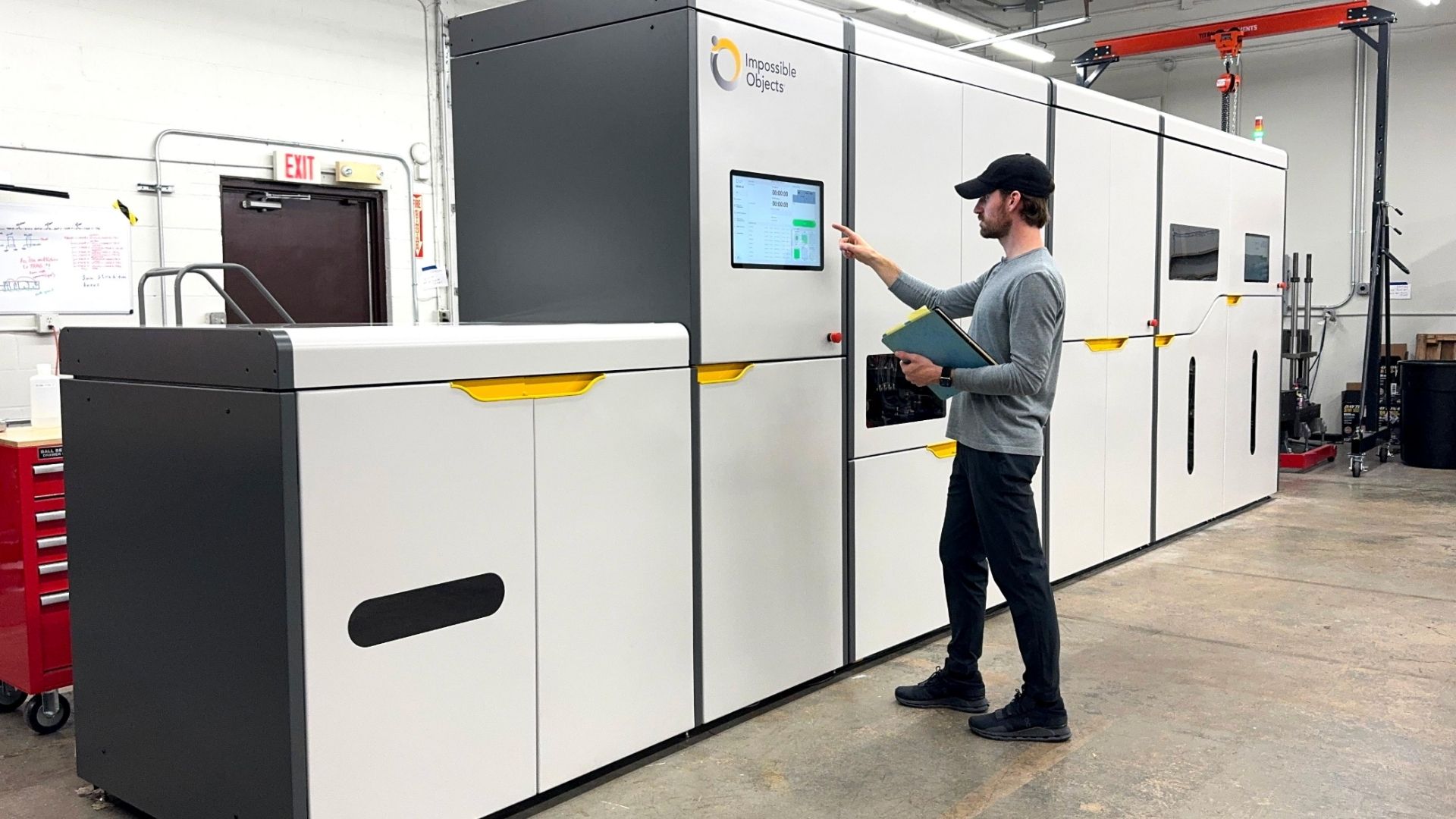
Robotic welding systems guided by computer vision can perform consistent high-quality welds around the clock without fatigue. AI-driven quality control systems can detect defects in real time rather than relying on periodic human inspection. Automated materials handling and component staging can reduce the time workers spend on logistics rather than actual fabrication. Each of these applications individually can improve throughput; combined in an integrated automated manufacturing environment, they can dramatically increase the rate at which submarine hulls and major components are produced.
The Investment Scope
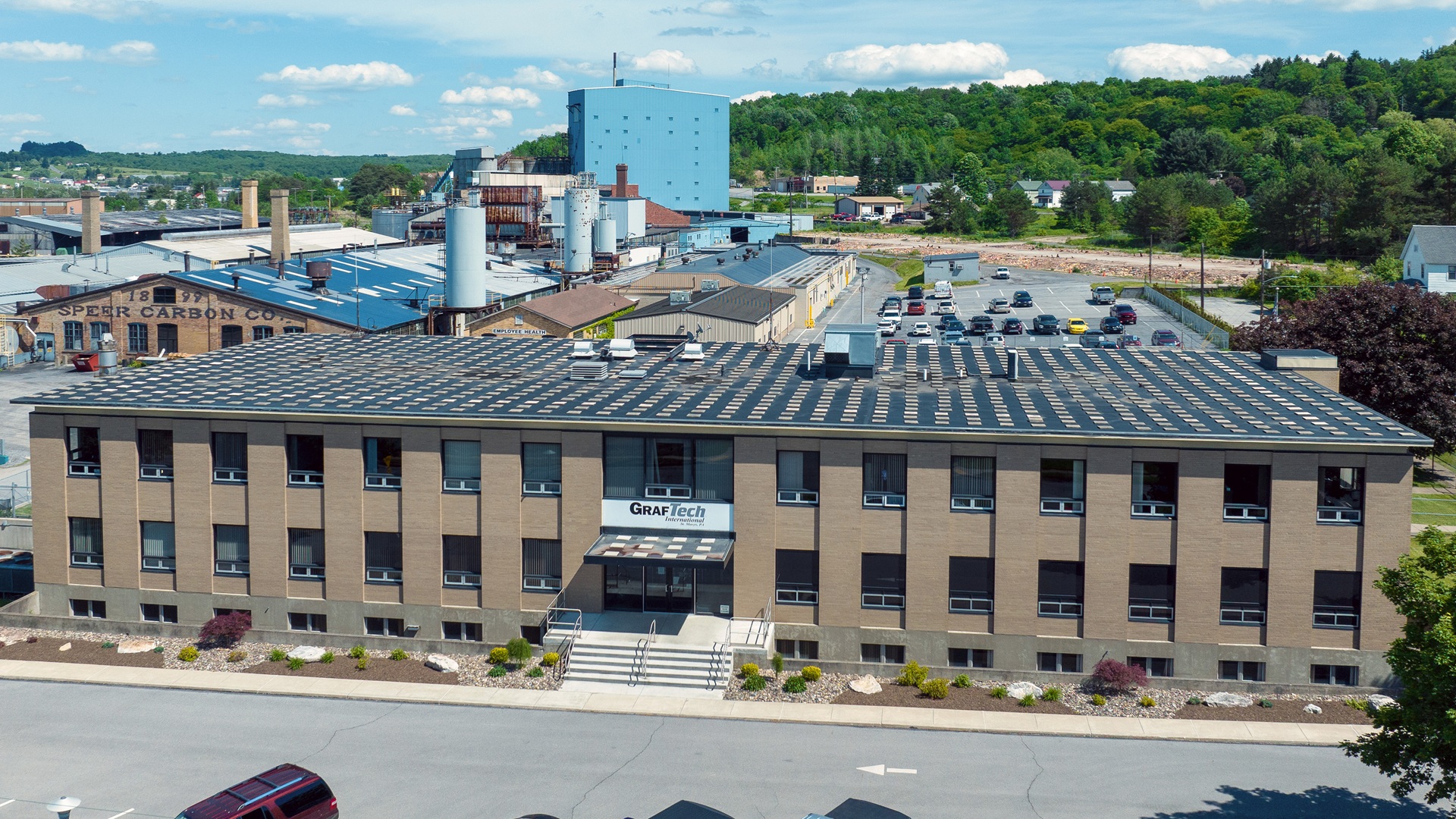
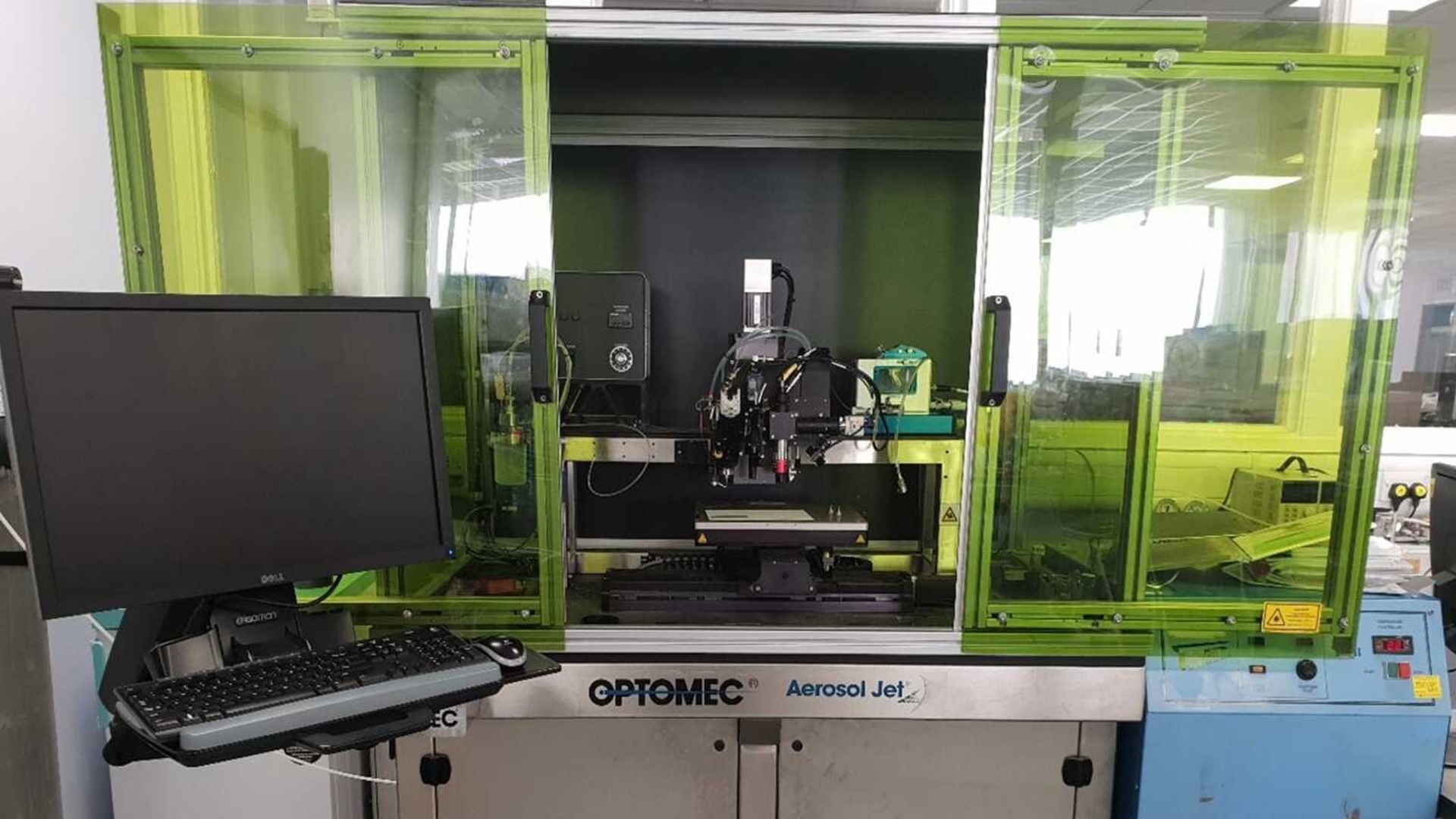
The $900 million figure reportedly covers new automated manufacturing facilities, robotic systems, AI quality control infrastructure, and the integration engineering required to connect these systems with existing shipyard workflows. The initiative is expected to be implemented across both Electric Boat and Newport News facilities, with some components potentially at supplier facilities that produce critical submarine components.
This level of investment in manufacturing technology modernization is unusual for the defense industrial base, which has historically relied on government-funded shipyards operating with relatively stable processes rather than the continuous manufacturing innovation that characterizes commercial sectors like automotive and aerospace. The scale of the investment signals that the submarine production gap is being treated as a national security priority rather than a manageable scheduling problem.
Timeline and Expectations
Defense manufacturing automation does not produce overnight results. New facilities must be designed, built, and qualified. Automated systems must be validated against the stringent quality standards that nuclear submarine construction requires—standards that are significantly more demanding than those for conventional manufacturing. Worker training for the new automated systems is itself a significant undertaking.
Analysts estimate that the full productivity impact of the automated facilities will take several years to materialize—likely not before the late 2020s or early 2030s. In the near term, the investment signals commitment and begins the process of building the capacity that will be needed as existing submarines age and the strategic competition with China's navy intensifies. Whether $900 million is sufficient to close the production gap, or whether significantly more investment will be required, remains to be seen.
This article is based on reporting by Interesting Engineering. Read the original article.
Originally published on interestingengineering.com