Introduction: A Minimalist Escape in the Woods
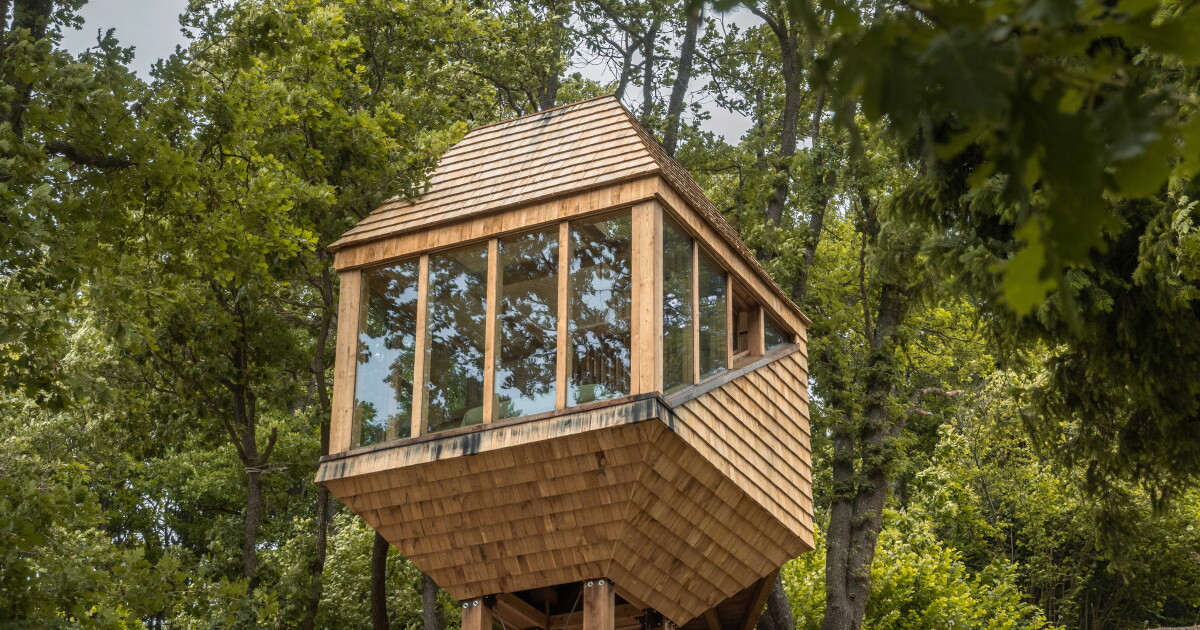
In the rolling hills of Garessio, Italy, a new kind of tiny house has taken root. The TreeBox, designed by the Italian architecture firm Officina82, is a stilted timber cabin that draws inspiration from the region's traditional hay barns. It's a study in minimalism, offering just the essentials for a short stay: a place to sleep, a spot to lounge, and a front-row seat to nature. While it lacks modern conveniences like running water and a bathroom, its rustic charm and thoughtful design make it a compelling retreat for those seeking to disconnect.
Design Inspired by the Barchi
The TreeBox's design is deeply rooted in local heritage. Officina82 explains that the structure is inspired by the 'barchi,' traditional hay barns found in the Italian Ligurian Alps. These barns are characterized by a movable roof supported by four wooden posts, which can slide vertically to adjust to the amount of hay stored inside. The TreeBox reinterprets this concept, with a roof that appears to rise toward the canopy of surrounding oak trees. The result is a structure that feels both grounded and ethereal, as if it's reaching for the sky.
The cabin is raised on four wooden stilts, a practical solution for the sloped hillside, but also a nod to the barn's elevated design. This elevation not only provides stability but also offers a sense of suspension among the trees, enhancing the feeling of being immersed in nature.

A Stripped-Back Interior
Inside, the TreeBox is deliberately austere. The interior measures just 12 square meters (130 square feet) and is clad in unfinished wood, giving it a warm, natural aesthetic. The main living area is dominated by a large bed that doubles as a general hangout spot. Positioned to make the most of the view, the bed faces a large window that frames the surrounding woodland. It's a simple setup, but one that encourages relaxation and contemplation.
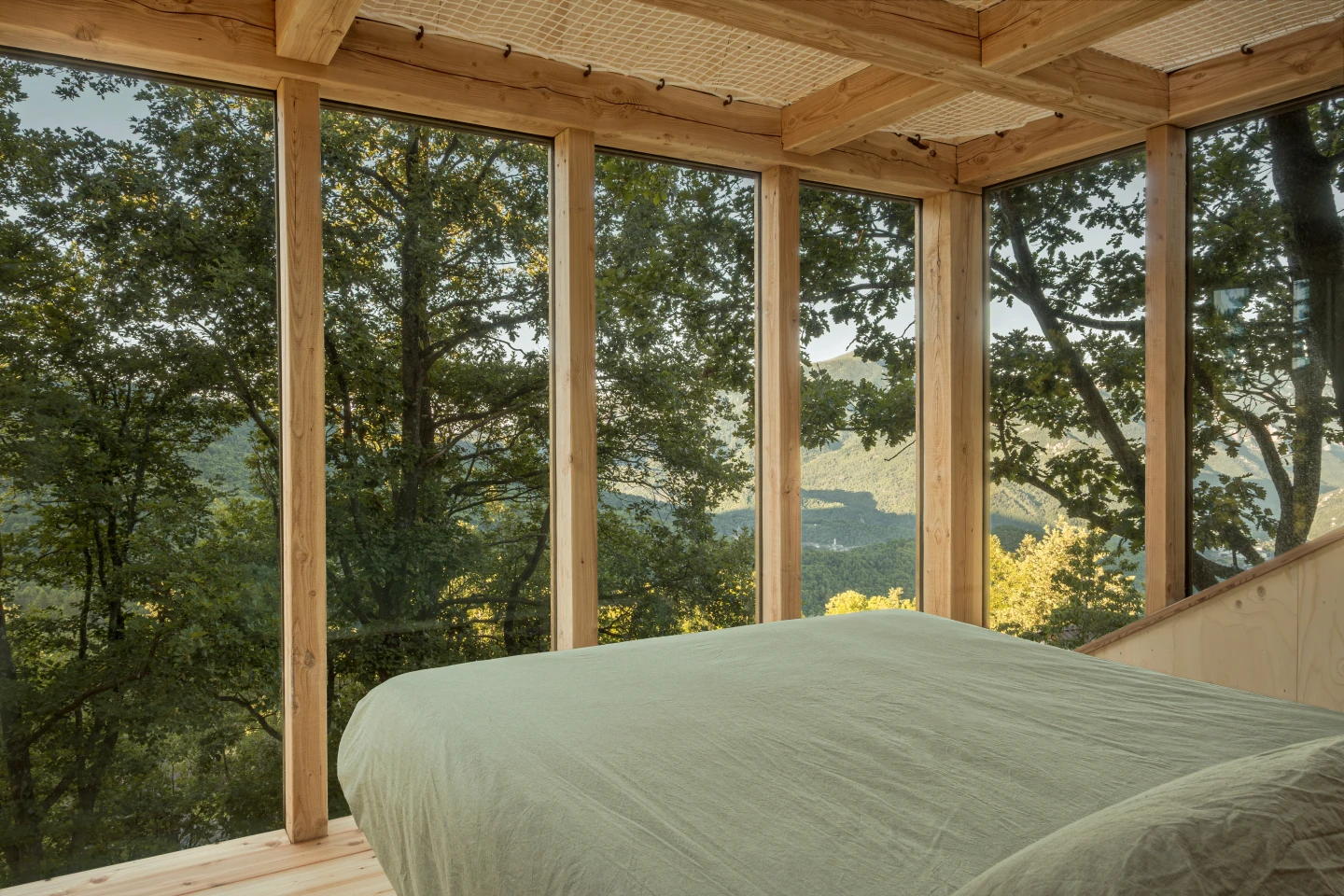
Above the bed, a netted loft provides an additional space for reading or lounging. Accessed by a few wooden steps, the loft includes a small operable window and a skylight, allowing natural light to flood the space. A handwheel mechanism opens one of the windows, adding a tactile, interactive element to the design.
Notably, the TreeBox has no running water or bathroom. This is a deliberate choice, as the cabin is intended for short stays and is situated in a natural setting where guests are expected to embrace a more primitive lifestyle. The lack of amenities is a bold statement, challenging the notion of what a vacation home should be.
Outdoor Living and Connection to Nature
The TreeBox experience extends beyond its walls. A short bridge connects the cabin to the hillside, and this bridge doubles as an outdoor seating area with a small table. It's an ideal spot for morning coffee or evening contemplation, with the sounds of the forest as a backdrop. The design encourages residents to spend time outdoors, further blurring the line between inside and outside.
The cabin's location in the Selucente oak forest adds to its appeal. Guests are surrounded by mature trees, and the elevated position offers glimpses of the canopy and the valley beyond. The architects have carefully oriented the structure to maximize views and privacy, ensuring that the experience is both immersive and serene.

A Growing Trend in Tiny Living
The TreeBox is part of a broader movement toward tiny houses that emphasize simplicity and a connection to nature. Across the globe, architects are exploring how small footprints can lead to richer experiences. From off-grid cabins in Scandinavia to minimalist retreats in the American West, the appeal of tiny living lies in its ability to strip away distractions and focus on what truly matters.
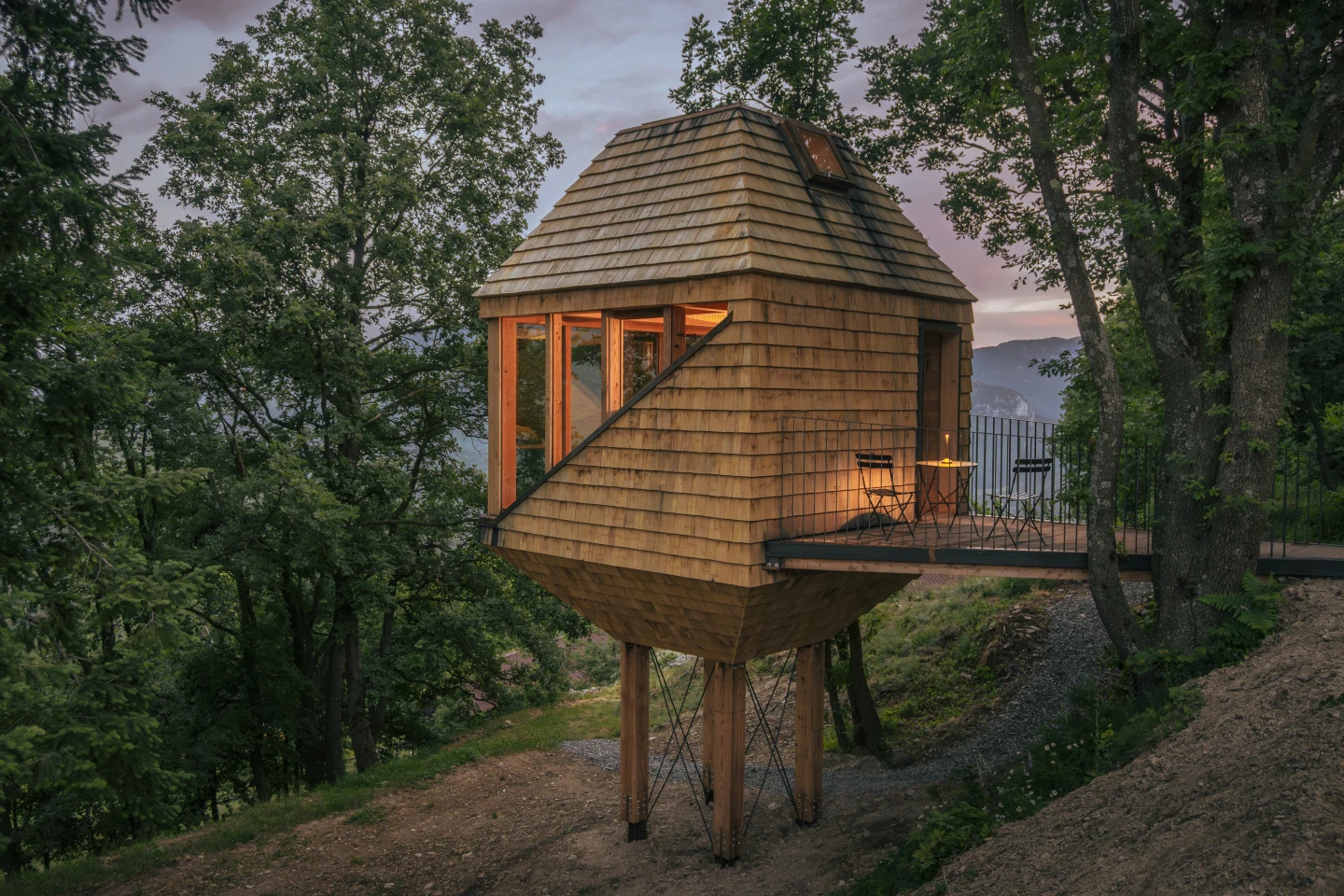
In this context, the TreeBox stands out for its cultural sensitivity. By drawing on local architectural traditions, it not only provides a unique stay but also helps preserve and reinterpret regional heritage. The use of timber, the stilted construction, and the simple forms all echo the vernacular architecture of the area, creating a sense of place that is often missing in modern vacation rentals.
Practical Considerations and Challenges
While the TreeBox's minimalist approach is appealing, it's not without challenges. The lack of plumbing means guests must use alternative facilities, which may not suit everyone. The cabin is also accessed via a bridge, which could be problematic for those with mobility issues. However, for the target audience—couples seeking a short, rustic getaway—these limitations are likely part of the charm.
Officina82 has not disclosed the cost of the TreeBox or whether it's available for rent, but similar projects suggest that such bespoke tiny houses can be expensive. The use of quality materials and custom design likely places it in a premium segment of the market.

Conclusion: A Unique Retreat for the Modern Age
The TreeBox is more than just a tiny house; it's a statement about how we choose to live and travel. By embracing simplicity and drawing on local traditions, it offers an experience that is both authentic and restorative. For those willing to trade modern comforts for a deeper connection to nature, the TreeBox represents an ideal escape. As the tiny house movement continues to evolve, projects like this remind us that sometimes, less really is more.
This article is based on reporting by New Atlas. Read the original article.
Originally published on newatlas.com