A Waste-to-Value Breakthrough
Rice University chemists have demonstrated a remarkable process that simultaneously destroys toxic PFAS compounds and extracts battery-grade lithium from brine, addressing two of the most pressing environmental challenges in a single step. The research, published in Nature Water, could reshape both hazardous waste remediation and the lithium supply chain.
The team, led by chemist James Tour and researcher Yi Cheng, developed a method that uses spent activated carbon — the material employed to filter PFAS from contaminated water and firefighting foam — as a source of fluorine atoms. Normally, this saturated carbon is treated as hazardous waste once it reaches capacity. The Rice researchers saw it as an untapped resource.
How Flash Joule Heating Makes It Work
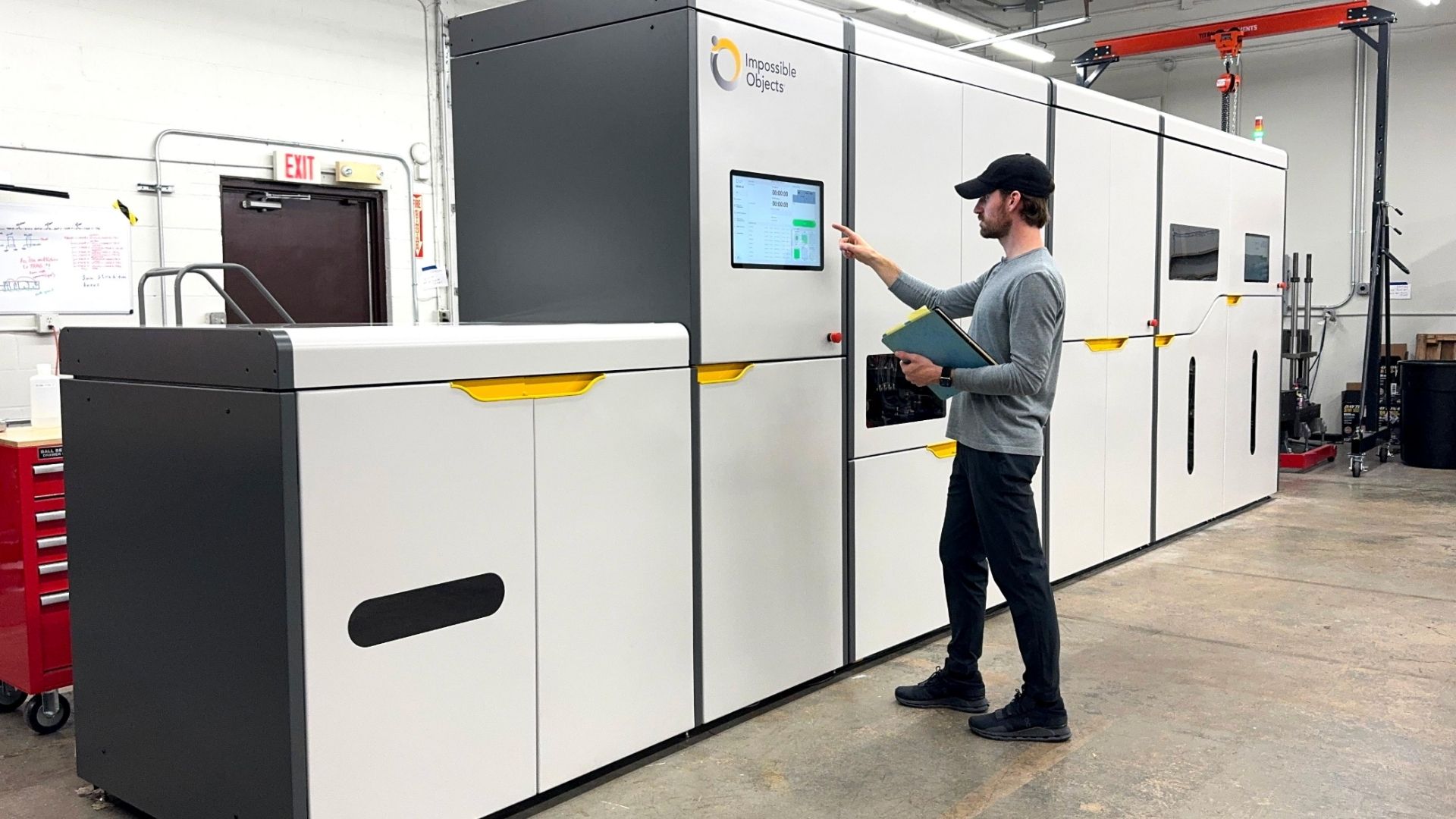
The process centers on Flash Joule Heating, a technique pioneered in Tour's lab that sends high-energy electrical pulses through materials, driving temperatures above 1,000 degrees Celsius in milliseconds. When PFAS-laden activated carbon is mixed with high-salinity brine and subjected to these pulses, the intense heat snaps the notoriously strong carbon-fluorine bonds that make PFAS so persistent in the environment.
Once liberated, the freed fluorine atoms bond with lithium cations present in the brine, forming lithium fluoride. The researchers then applied a second flash heating step at temperatures between 1,676 and 2,260 degrees Celsius, selectively vaporizing the lithium fluoride while heavier impurities such as magnesium and calcium fluorides remained in the solid phase.
This rapid flash distillation achieved a remarkable 99 percent purity with an 82 percent recovery rate — all in a matter of seconds rather than the months required by conventional evaporation pond methods.

Real-World Battery Performance Validated
The team went beyond proof of concept by integrating the recovered lithium fluoride into standard lithium-ion battery electrolytes. Extensive testing confirmed that batteries using this recycled material matched or exceeded the stability and performance of those using conventionally sourced lithium fluoride.
This validation is critical for commercial adoption. Battery manufacturers require materials that meet exacting purity standards, and the Rice process delivers on that front while offering significant environmental advantages over traditional lithium mining.
Solving Two Problems at Once
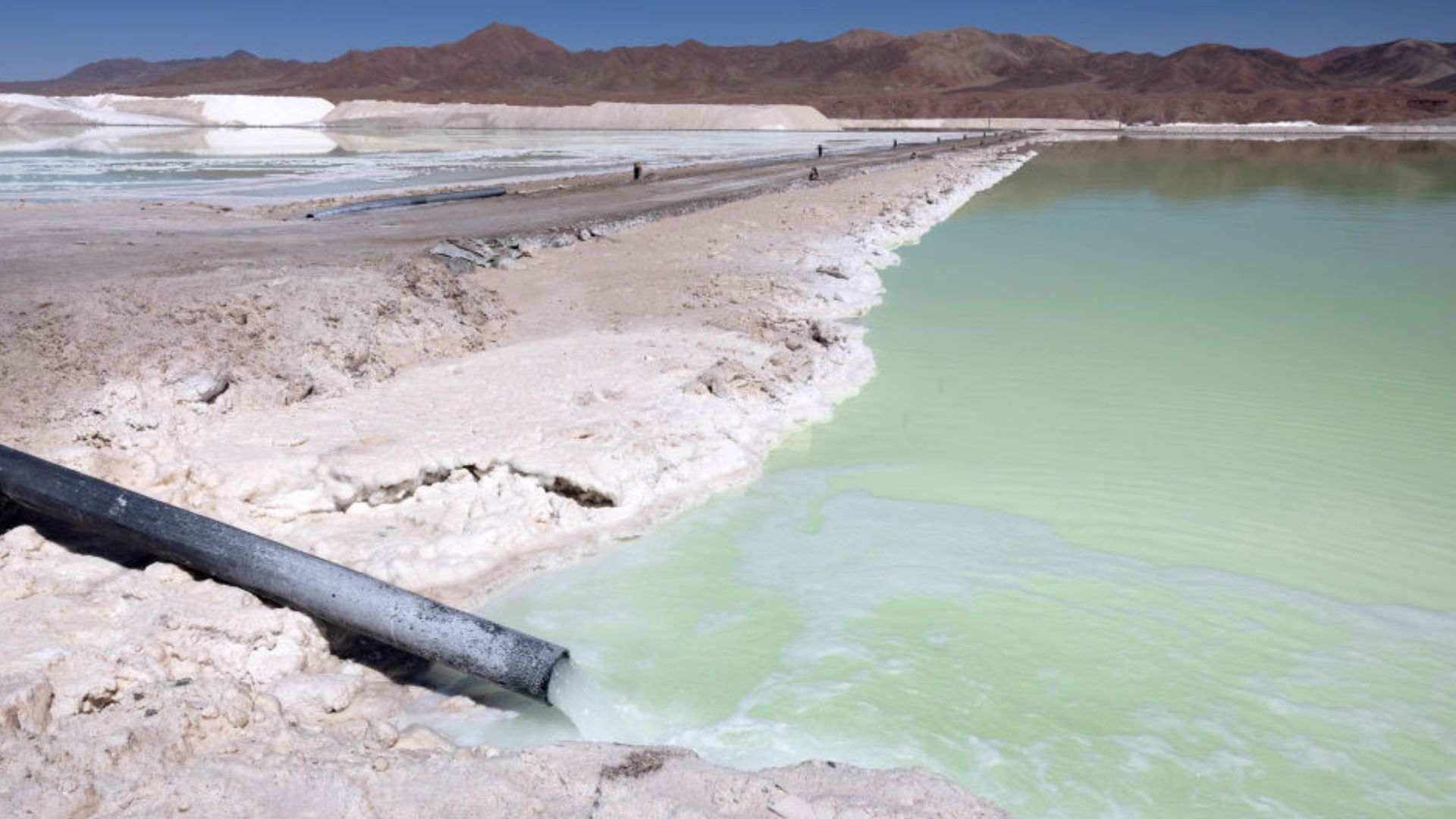
Conventional lithium extraction from brine involves massive evaporation ponds that consume billions of gallons of water in often arid regions of South America, Australia, and China. The process takes 12 to 18 months and leaves behind concentrated waste streams. The Rice method operates in minutes with significantly lower water and energy consumption.
Meanwhile, PFAS contamination affects thousands of communities worldwide. These per- and polyfluoroalkyl substances resist natural breakdown and accumulate in soil, groundwater, and living organisms. Current remediation generates tons of hazardous waste carbon that must be incinerated or landfilled. By converting that waste into a feedstock for lithium production, the Rice process creates economic value from what was previously a disposal liability.
As global demand for lithium continues to surge alongside the electric vehicle transition, and regulatory pressure on PFAS contamination intensifies across the United States and Europe, this dual-purpose approach could prove transformative for both industries.
Scaling Challenges Ahead
While the laboratory results are promising, scaling Flash Joule Heating to industrial volumes presents engineering challenges. The technique requires precise control of electrical pulses and temperature windows, and the availability of PFAS-saturated carbon depends on the pace of water remediation efforts. Nevertheless, the researchers believe the fundamentals are sound for commercial development, and the economic incentives — destroying a hazardous waste while producing a high-value commodity — align in ways that could attract industrial partners.
This article is based on reporting by Interesting Engineering. Read the original article.
Originally published on interestingengineering.com