Mac Motorcycles arrives with two retro-styled singles
Mac Motorcycles, a family-run company based in South Yorkshire, has started selling its first production motorcycles after what the company says has been more than a decade of development. The launch centers on two closely related machines, the Ruby and the Rex, both positioned as modern interpretations of classic British single-cylinder bikes.
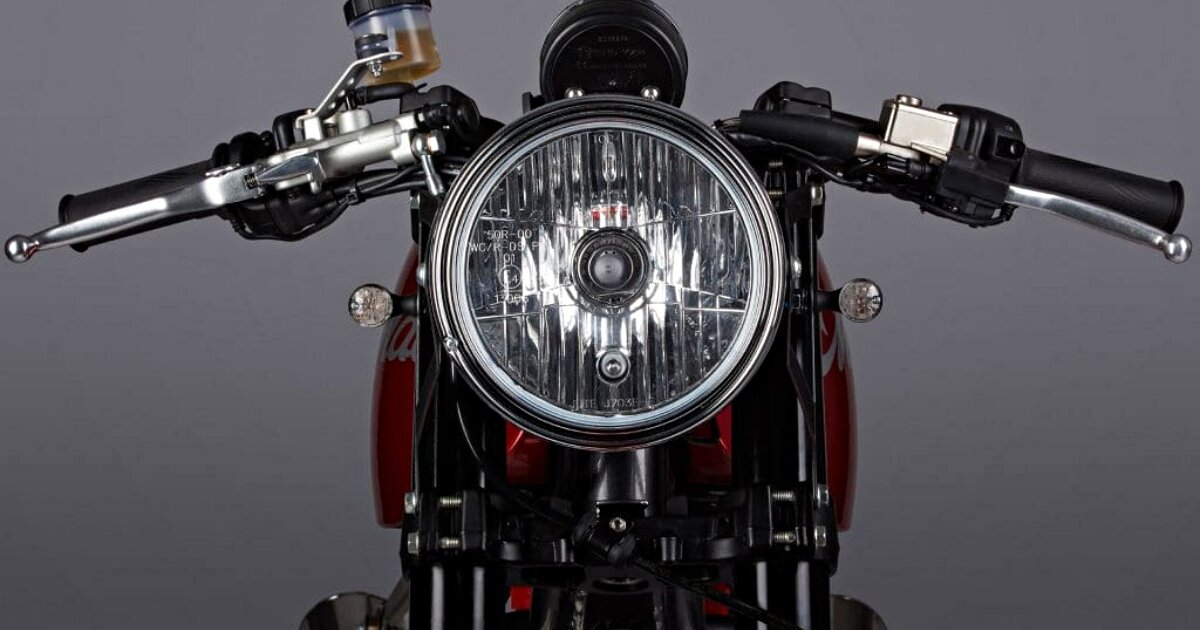
The Ruby is presented as the sportier of the pair, using a cafe-racer-inspired layout. The Rex takes a roadster approach, with larger and taller handlebars intended to give riders a more upright posture. That shared platform, but different riding character, appears to be a core part of the company’s opening pitch.
One engine, two personalities
Both motorcycles use a 600cc liquid-cooled single-cylinder engine. According to the supplied source text, the motor is originally manufactured by SWM in Italy and is a revised version of the long-running Husqvarna TE610 engine. That gives Mac a starting point built on an established design rather than a clean-sheet powerplant.
Mac says it has still made meaningful changes of its own. Those include a Mikuni throttle body, a new ECU, and in-house engine tuning. The result is a claimed 57 horsepower and a top speed of about 100 mph, or 161 km/h. Those figures place the bikes firmly in the usable real-world performance category rather than the escalating horsepower race that defines much of the modern premium market.
That may also be part of the appeal. Single-cylinder motorcycles tend to attract riders who value mechanical character, simpler packaging, and a more direct feel over outright speed. By launching with two singles instead of chasing multi-cylinder prestige, Mac is signaling a specific identity from the outset.
British sourcing as part of the brand
Mac is also making domestic sourcing part of its message. The two bikes share a tubular steel backbone frame, and the company says the chassis is manufactured in England by Caged Laser Engineering. The source text describes a broader effort to use British-made components wherever possible.
That strategy matters for more than branding. Small manufacturers often need a clear narrative to justify premium pricing and stand apart from both major global brands and low-volume boutique builders that never progress beyond prototypes. A visible made-in-Britain philosophy gives Mac a way to connect product, supply chain, and identity into one story.
It also arrives at a time when many younger companies in mobility are trying to prove credibility through software, electrification, or aggressive disruption language. Mac is going in the opposite direction. Its opening move is centered on traditional hardware, familiar engine architecture, and visual references to older British motorcycling culture.
Design over scale
The Ruby and Rex are not being introduced as mass-market machines. They are niche products with a distinct aesthetic, a specialized powertrain format, and pricing that places them well above entry-level commuter bikes. The source text says both models start at £15,500 including VAT.
That figure means Mac is not competing primarily on affordability. Instead, it is trying to sell craftsmanship, rarity, and a sense of connection that many riders feel has been diluted in highly standardized modern motorcycles. In practical terms, buyers are being asked to pay for design intent, limited-volume appeal, and component choices tied to local production.
This is a difficult segment to enter. Retro styling has become common across the industry, from mainstream brands to custom-oriented startups. What makes Mac’s attempt notable is not that it uses the retro formula, but that it pairs the look with a single-cylinder platform and a long gestation period rather than a quick badge exercise.
Why the launch matters
New motorcycle companies appear regularly, but relatively few get to the point of actual sales. Reaching market with two finished models is a meaningful step, especially for a small manufacturer working outside the scale advantages enjoyed by global incumbents.
The Ruby and Rex also reflect a broader pattern in enthusiast transport markets. In an era of expanding electrification, digital interfaces, and increasingly complex rider aids, there remains clear interest in machines that foreground tactile experience and narrative. Mac’s bet is that some buyers still want exactly that, and are willing to pay a premium for it.
Whether the business scales is a separate question. The immediate significance is that Mac Motorcycles has moved from concept and development mode into real production sales, and it has done so with a sharply defined product identity. Instead of trying to be everything at once, it is starting with two variations on the same idea: a British-branded, retro-styled single that emphasizes feel, provenance, and personality.
For a new entrant, that kind of focus may be more important than headline numbers. Plenty of motorcycles can claim more power, more technology, or broader dealer reach. Mac is trying to offer something less common: a compact range whose character is supposed to be obvious before the engine even starts.
This article is based on reporting by New Atlas. Read the original article.
Originally published on newatlas.com