Manufacturing Meets Nuclear Regulation
Advanced nuclear reactors face a paradox: the designs being developed today are meant to be safer, more efficient, and more flexible than existing light-water reactors, but the regulatory pathways that govern their construction were written for the previous generation's manufacturing methods. Materials that were unavailable or impractical when the codes were written are now producible with high precision — but they cannot be used legally in nuclear components until they receive formal approval through standards processes that can take many years.
Argonne National Laboratory is working to close that gap. Researchers at Argonne have submitted a draft Code Case to the American Society of Mechanical Engineers that would enable the use of Laser Powder Bed Fusion — a high-precision additive manufacturing technique — for components used in high-temperature nuclear reactor applications. If approved, the code change would open the door to manufacturing nuclear-grade parts with geometric complexity and material properties that traditional machining methods cannot achieve efficiently.
What Laser Powder Bed Fusion Offers
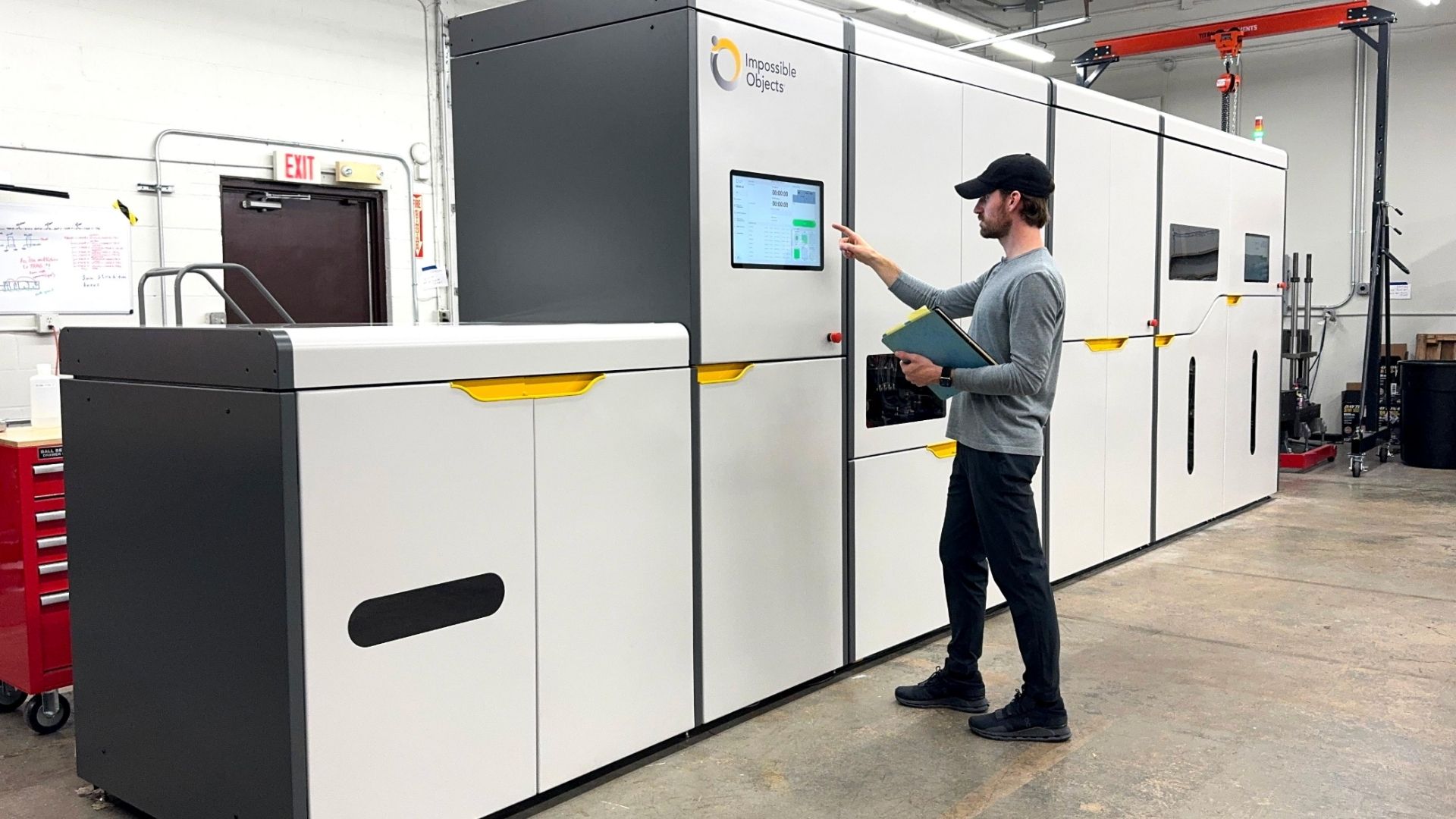
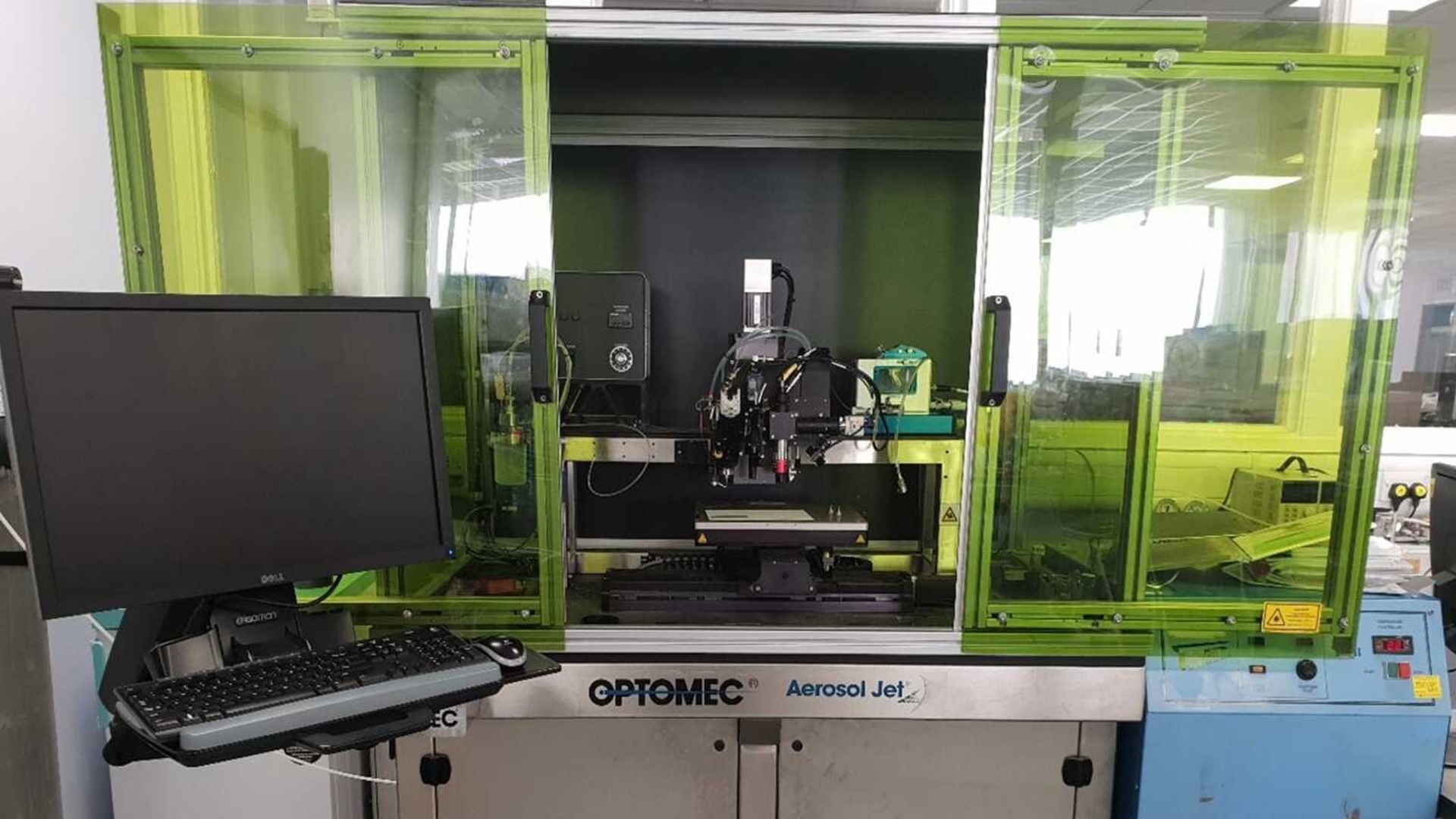
Laser Powder Bed Fusion is one of the most capable metal 3D printing processes available. A high-powered laser selectively fuses metal powder layer by layer, with feature resolution measured in fractions of a millimeter, to produce parts with complex internal geometries, optimized cooling channels, and customized material compositions that would be impractical or impossible to machine from solid stock. For nuclear reactor components, this translates directly into design freedom that engineers have not previously been able to exploit.
Reactor components subjected to high temperatures and neutron flux require materials with precise microstructural properties. Conventional manufacturing relies on carefully controlled heat treatment and machining sequences to achieve those properties in simple geometries. LPBF can produce equivalent or superior microstructures in complex shapes by controlling the thermal history of each deposited layer through laser parameters. The result is a part that matches or exceeds traditional manufacturing quality while enabling geometries that improve thermal performance, reduce weight, or simplify assembly.
The ASME Code Case Process
The ASME Boiler and Pressure Vessel Code is the authoritative technical standard for pressure-bearing equipment in nuclear facilities in the United States. Materials and processes used in nuclear safety-related components must have explicit Code Case approval before they can be incorporated into licensed facilities. Obtaining that approval requires submitting technical data on material properties, manufacturing process controls, and non-destructive examination methods to ASME committees that review and vote on new Code Cases.
Argonne's draft Code Case submission is the formal initiation of that process for LPBF. The team has assembled data on the mechanical properties of LPBF-produced stainless steel and nickel alloy samples across the temperature range relevant to advanced reactor operation, and has demonstrated that those properties meet or exceed the minimums required for nuclear service.
Supply Chain and Design Implications
The nuclear industry's supply chain for specialized components is notably constrained. The universe of manufacturers capable of producing nuclear-grade forgings, castings, and machined components is small, their qualification processes are lengthy, and their lead times for critical parts are measured in years. This supply chain bottleneck has been identified repeatedly as a factor limiting the pace at which advanced nuclear projects can be built.
LPBF manufacturing does not require the same specialized foundry infrastructure as conventional nuclear component production. Once a manufacturer receives Code Case approval for its specific LPBF process and equipment, it can produce novel reactor components with lead times measured in weeks rather than years for simpler parts, and months rather than many years for complex components.
Advanced Reactor Timeline Pressure
The timing of Argonne's Code Case push reflects growing urgency around advanced reactor deployment. Dozens of advanced reactor designs — including microreactors for remote locations, molten salt designs, and high-temperature gas reactors — are progressing through NRC review processes with the expectation that some will receive construction permits within the next several years. Each of those designs requires a supply chain of qualified components, and the absence of LPBF as an approved manufacturing method has been a constraint on design flexibility.
If the Code Case proceeds through ASME review on a normal schedule, approval could arrive within two to three years — aligning with the construction timelines for the most advanced next-generation projects and providing a manufacturing option that didn't exist for the current generation of reactor designs.
This article is based on reporting by Interesting Engineering. Read the original article.
Originally published on interestingengineering.com