From Luxury to Standard Equipment
Lidar technology, the laser-based sensing system that was once the most expensive and conspicuous component of self-driving car prototypes, has crossed a critical threshold in automotive adoption. After years of cost reduction driven largely by massive adoption in China, lidar sensors are now being integrated into mass-market vehicles in the United States as standard or optional equipment rather than experimental hardware.
The transformation has been dramatic. The spinning rooftop lidar units that defined early autonomous vehicle prototypes cost upward of $75,000 per unit and added visible bulk to any vehicle that carried them. Current-generation solid-state lidar sensors cost as little as $200 to $500 per unit, fit behind windshields or in bumper fascias without external protrusions, and deliver performance that meets or exceeds the capabilities of earlier spinning designs.
The cost reduction follows a classic technology adoption curve: initial high-end applications fund research and development, manufacturing scale brings costs down, and eventually the technology becomes affordable enough for mass-market products. What is unusual about lidar's trajectory is the central role that the Chinese automotive market has played in driving the transition from expensive prototype to commodity component.
China Led the Way
Chinese automakers and their suppliers have been the primary force behind lidar's cost reduction and mass-market adoption. Companies like Hesai, RoboSense, and Livox have developed lidar sensors specifically designed for automotive mass production, using solid-state or semi-solid-state architectures that eliminate the expensive mechanical spinning mechanisms of earlier designs.
The Chinese market's embrace of lidar was driven by a combination of consumer demand for advanced driver assistance features, intense competition among domestic EV brands, and a regulatory environment that encouraged the adoption of advanced safety technology. Chinese automakers began offering lidar-equipped vehicles in 2022, and by 2025 the technology was standard equipment on many models from brands including Li Auto, NIO, XPeng, and BYD's premium Denza line.
The scale of Chinese lidar deployment has been staggering. More than two million lidar-equipped vehicles are estimated to be on Chinese roads, providing a vast dataset for refining lidar-based perception algorithms and demonstrating the technology's reliability in real-world driving conditions. This deployment scale has given Chinese lidar manufacturers the production volume needed to drive costs below the threshold for U.S. mass-market adoption.
U.S. Automakers Follow
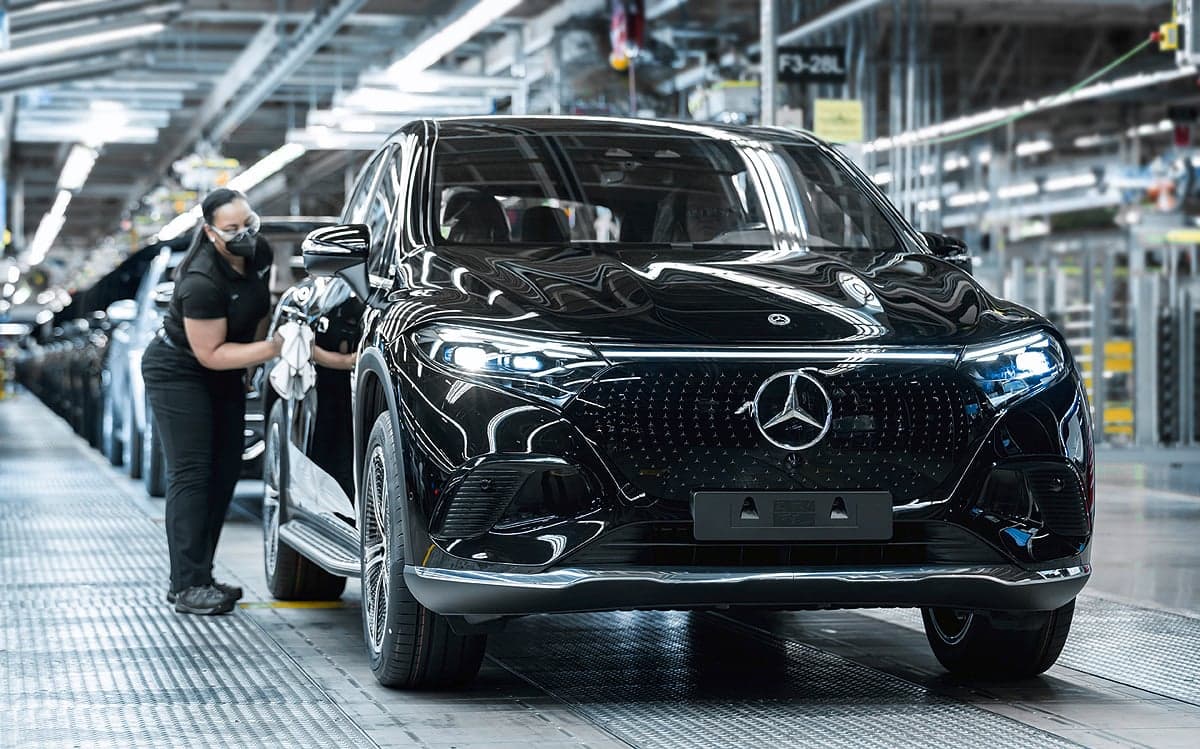
American automakers are now integrating lidar into their vehicles in growing numbers. Mercedes-Benz was the first automaker to receive regulatory approval for a Level 3 autonomous driving system that includes lidar in the United States, and several other manufacturers have announced plans to add lidar-based driver assistance features to their 2026 and 2027 model year vehicles.
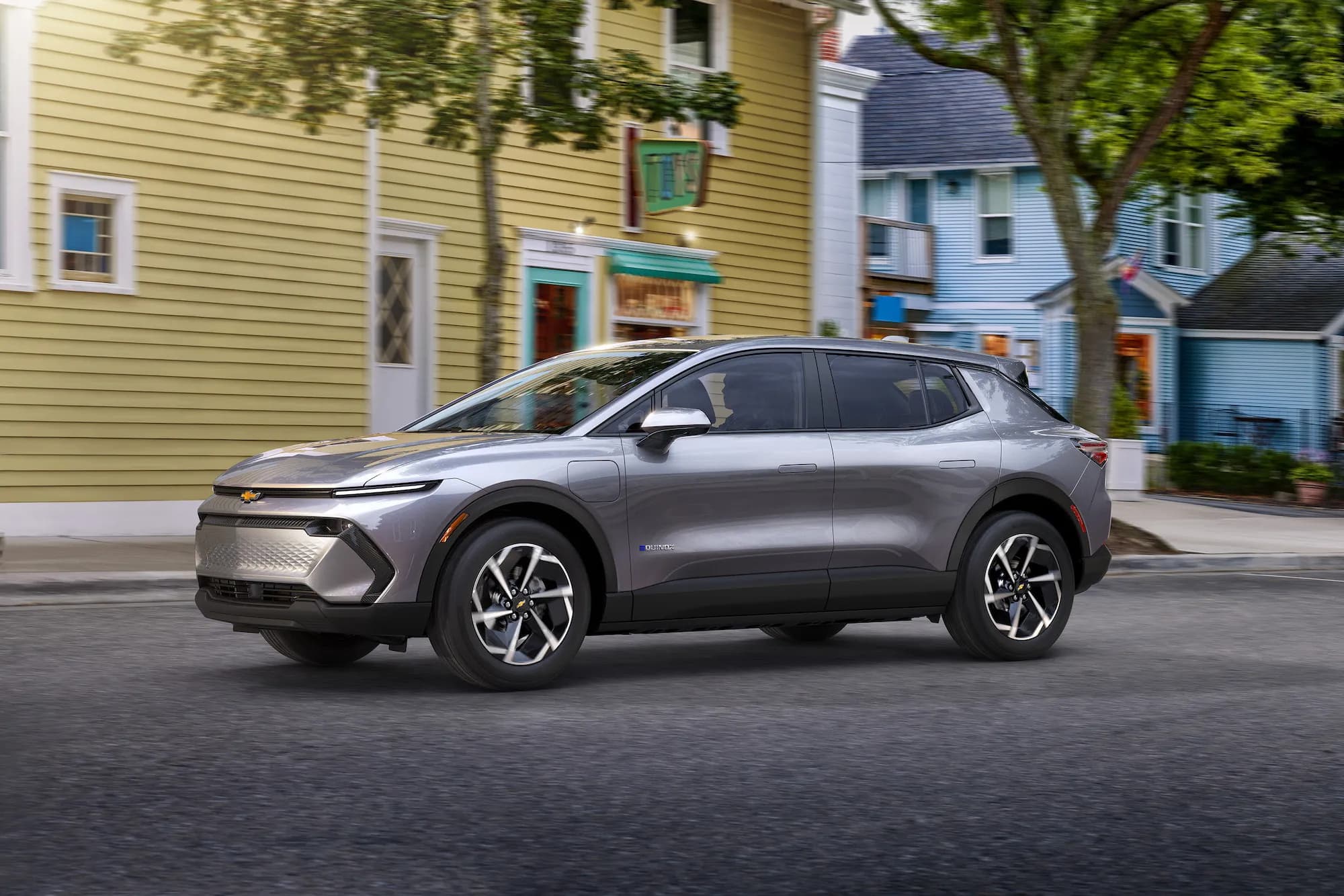
The U.S. adoption pattern differs from China's in important ways. While Chinese automakers led with lidar on premium electric vehicles, U.S. integration is occurring across a broader range of vehicle types and price points. The lower cost of current-generation sensors makes it economically viable to include lidar on vehicles priced below $40,000, a threshold that opens up the mainstream market.
U.S. Tier 1 suppliers including Aptiv, Continental, and Magna are developing lidar integration packages that simplify the process for automakers who want to add the technology without developing their own perception stacks. These packages combine the lidar sensor with processing hardware and software that interpret the sensor data and feed it into the vehicle's existing driver assistance architecture.
Why Lidar Matters
Lidar provides three-dimensional mapping of the environment around a vehicle by measuring the time it takes for laser pulses to bounce off objects and return to the sensor. Unlike cameras, which rely on interpreting two-dimensional images, lidar directly measures distance with centimeter-level accuracy, making it exceptionally effective at detecting obstacles, measuring gaps, and tracking the movement of other vehicles and pedestrians.
The technology complements cameras and radar, each of which has different strengths and weaknesses. Cameras excel at reading signs, recognizing lane markings, and identifying objects by appearance. Radar is effective at measuring the speed of distant objects and works well in rain and fog. Lidar fills the gap by providing precise 3D spatial information that neither cameras nor radar can match.
The combination of all three sensor types — a sensor fusion approach — is widely regarded by automotive safety engineers as the gold standard for advanced driver assistance and autonomous driving systems. Tesla's decision to rely solely on cameras for its Full Self-Driving system remains the most prominent exception to this consensus, and incidents like recent railroad crossing failures have intensified debate about whether camera-only systems can match the safety performance of sensor fusion approaches.
What Comes Next
The mainstreaming of lidar in the U.S. market is expected to accelerate rapidly over the next three years. Industry analysts project that lidar-equipped vehicles will represent 15 to 20 percent of new U.S. vehicle sales by 2028, up from approximately 3 percent today. As the installed base grows, the data advantages of lidar — particularly in challenging conditions like low light, heavy rain, and complex urban environments — will become increasingly apparent to consumers and regulators.
The regulatory environment may also drive adoption. NHTSA is developing updated safety standards that could require or incentivize the use of advanced sensing technologies in new vehicles, and the European Union's General Safety Regulation already mandates several driver assistance features that benefit from lidar integration.
For the lidar industry, the transition from automotive prototype component to mass-market standard equipment represents validation of a technology that spent years in the "valley of death" between research demonstration and commercial viability. The survivors of that period — companies that invested in manufacturing scale and cost reduction when the market was uncertain — are now positioned to supply one of the largest technology transitions in automotive history.
This article is based on reporting by Automotive News. Read the original article.