कोलोराडो में एक दुर्लभ रेसट्रैक वापसी आकार ले रही है
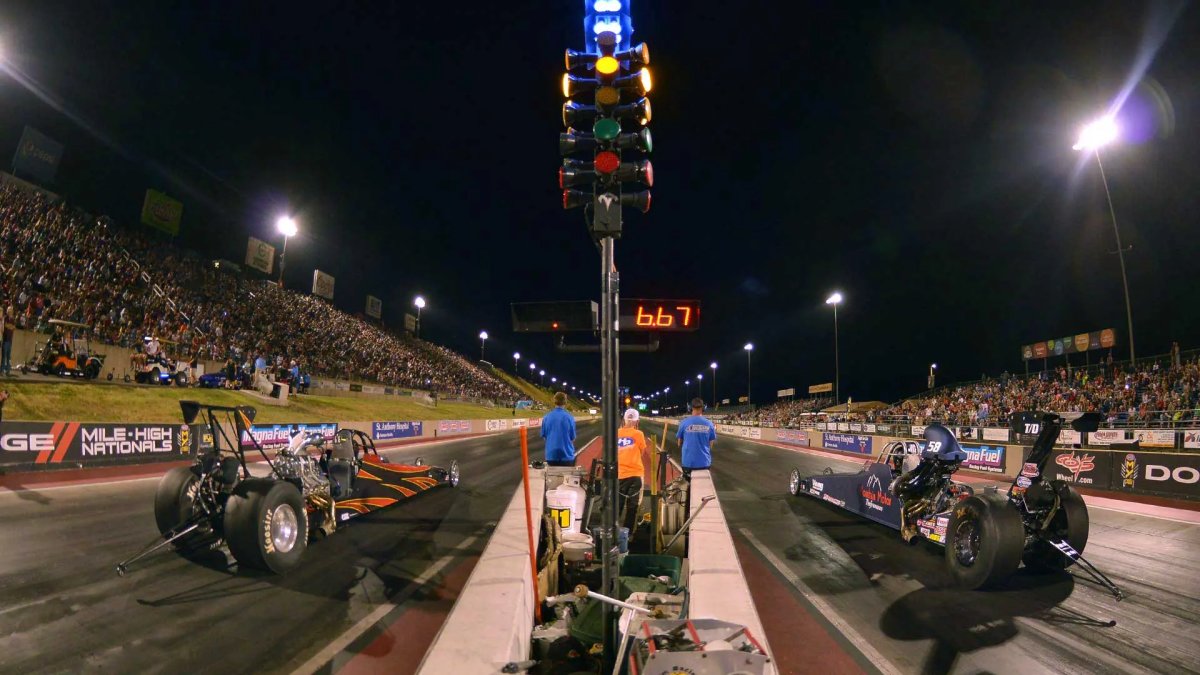
ऐसे दौर में जब मोटरस्पोर्ट्स स्थलों को अक्सर बेच दिया जाता है, विकास की चपेट में आकर घेर लिया जाता है, या बस लुप्त होने दिया जाता है, कोलोराडो में एक बड़ी ड्रैग स्ट्रिप को फिर से खोलने की Bandimere परिवार की कोशिश अब ज़्यादा वास्तविक लगने लगी है। हडसन, कोलोराडो की टाउन काउंसिल ने डेनवर के उत्तर-पूर्व में एक नए स्थल के लिए विलय और ज़ोनिंग उपायों को सर्वसम्मति से मंजूरी दी है, जिससे Bandimere Speedway की वापसी के लिए एक महत्वपूर्ण प्रक्रियात्मक बाधा हट गई है।
यह विकास इसलिए उल्लेखनीय है क्योंकि यह रेसट्रैक के पतन की अधिक परिचित कहानी के सामने एक प्रतिपक्ष प्रस्तुत करता है। Morrison में मूल Bandimere Speedway 2023 में 65 वर्षों के संचालन के बाद बंद हो गया था। इस बंदी को अंत नहीं मानते हुए, स्थल के पीछे के परिवार ने इसे स्थानांतरित करने और फिर से बनाने की दिशा में कदम बढ़ाया।
उपलब्ध स्रोत सामग्री के अनुसार, John Bandimere Jr. ने 2025 में घोषणा की थी कि परिवार ने Weld County में एक नए ट्रैक स्थल के लिए जमीन खरीदी है। हडसन में हालिया मतदान उस भूमि-खरीद को एक संचालनात्मक सुविधा में बदलने की दिशा में अगला बड़ा कदम है, हालांकि निर्माण शुरू होने की कोई तारीख अभी घोषित नहीं की गई है।
मूल स्थल क्यों बंद हुआ
Morrison का ट्रैक सिर्फ ऐसा स्थल नहीं था जहां रुचि खत्म हो गई थी। वह अपने आसपास के विकास के कारण सीमित हो गया था। यह पैटर्न पूरे संयुक्त राज्य में मोटरस्पोर्ट्स सुविधाओं के लिए आम हो गया है। जो ट्रैक कभी इतने दूर हुआ करते थे कि कम टकराव के साथ चल सकें, वे उपनगरीय विस्तार के बाहर की ओर फैलने पर घिर सकते हैं। शोर संबंधी शिकायतें बढ़ती हैं, जमीन की कीमतें बदलती हैं, और दीर्घकालिक संचालन की निश्चितता कमजोर पड़ती है।
इसलिए Bandimere का बंद होना सिर्फ एक कारोबारी विफलता नहीं, बल्कि भूमि-उपयोग की एक व्यापक वास्तविकता को दर्शाता था। परिवार की प्रतिक्रिया इसलिए महत्वपूर्ण है क्योंकि यह विरासत स्थलों के लिए एक संभावित उत्तरजीविता मॉडल सुझाती है: संस्था के पूरी तरह समाप्त होने से पहले स्थान बदल लेना।
यह करना आसान नहीं है। एक ट्रैक का पुनर्निर्माण करने के लिए जमीन, स्थानीय राजनीतिक समर्थन, ज़ोनिंग की स्पष्टता और इस भरोसे की ज़रूरत होती है कि नया स्थल दशकों तक व्यवहार्य रहेगा। सर्वसम्मत परिषद निर्णय दिखाता है कि, कम से कम अभी के लिए, हडसन का स्थानीय नेतृत्व इस परियोजना को समायोजित करने के लिए तैयार है।
नया स्थल क्यों काम कर सकता है
प्रस्तावित स्थान डेनवर के उत्तर-पूर्व में Interstate 76 के पास है, जिससे परियोजना को दृश्यता और क्षेत्रीय पहुंच मिलती है, जबकि यह उस विकास दबाव से दूर रहता है जिसने मूल सुविधा को जकड़ लिया था। हडसन, Morrison की तुलना में लगभग 10 मील और बाहर है, जिससे संचालन को फैलने के लिए अधिक जगह मिलनी चाहिए।
यह अतिरिक्त जगह मामूली नहीं है। एक आधुनिक ड्रैग स्ट्रिप को सिर्फ एक चौथाई मील की सीधी पट्टी से कहीं अधिक की ज़रूरत होती है। इसमें स्टेजिंग क्षेत्र, दर्शक सुविधाएं, पिट और सपोर्ट स्पेस, आवागमन व्यवस्था, पार्किंग, और आसपास के भूमि-उपयोग से पर्याप्त बफर चाहिए ताकि टकराव कम हो। अधिक भौतिक खुलापन वाला स्थल आयोजन संचालन और दीर्घकालिक स्थिरता दोनों में सुधार कर सकता है।
स्रोत सामग्री यह भी बताती है कि नया स्थान लगभग 5,000 फीट की ऊंचाई पर है, यानी ऊंचाई रेसरों के लिए वैसे ही एक कारक बनी रहेगी जैसे मूल स्थल पर थी। यह विवरण खेल की पहचान के लिए महत्वपूर्ण है। Bandimere के चरित्र को आकार देने वाली उच्च-ऊंचाई चुनौती को छोड़ने के बजाय, यह स्थानांतरण उसे बनाए रखने की संभावना रखता है।
सिर्फ स्थानीय nostalgia की कहानी से बढ़कर
हालांकि यह कहानी भौगोलिक रूप से स्थानीय है, लेकिन यह मोटरस्पोर्ट्स अवसंरचना के भविष्य से जुड़े बड़े सवालों को दर्शाती है। कई ट्रैक पुराने ढांचों, बदलते भूमि-अर्थशास्त्र और समुदाय के दबाव के कठिन मिश्रण का सामना कर रहे हैं। एक बार बंद होने के बाद, उन्हें फिर से खोलना दुर्लभ है। अक्सर आसान रास्ता जमीन बेच देना और स्थल को गायब होने देना होता है।
Bandimere इसलिए असामान्य है क्योंकि मालिकों ने वह रास्ता नहीं चुना। इसलिए यह प्रयास व्यापक रेसिंग समुदाय के लिए प्रतीकात्मक महत्व रखता है। यह सुझाव देता है कि संरक्षण का मतलब सिर्फ पुराने स्थल की रक्षा नहीं, बल्कि अनुकूलन भी हो सकता है। अगर कोई स्थल वहीं नहीं रह सकता जहां वह बना था, तो उसके आयोजक उसे स्थानांतरित करके भी संस्था को बचाने की कोशिश कर सकते हैं।
The Drive के स्रोत पाठ में इस परियोजना को रेसट्रैक नवीनीकरण के अन्य संकेतों के साथ रखा गया है, जिनमें Willow Springs Raceway के पुनरुद्धार की योजनाएं और Virginia International Raceway की दीर्घकालिक सुरक्षा शामिल है। साथ मिलकर, ये मामले अमेरिकी रेसिंग स्थलों के निरंतर क्षरण के खिलाफ एक मामूली लेकिन अर्थपूर्ण प्रतिरोधी धारा का संकेत देते हैं।
आगे अभी क्या होना बाकी है
हडसन में मंजूरी महत्वपूर्ण है, लेकिन यह अंतिम पड़ाव नहीं है। भूमि-उपयोग की अनुमति एक पूर्वशर्त है, उद्घाटन की तारीख नहीं। निर्माण का समय अभी अज्ञात है, और बड़े स्थल प्रोजेक्ट्स में वित्तपोषण, डिज़ाइन, अवसंरचना, अनुमति संबंधी विवरण और समुदाय की अपेक्षाओं से जुड़े परिचित क्रियान्वयन जोखिम होते हैं।
इसके अलावा, सद्भावना को एक ऐसी सुविधा में बदलने की चुनौती भी है जो कई हितधारकों की जरूरतें पूरी करे। एक सफल आधुनिक ड्रैग स्ट्रिप को एक ही समय में स्वीकृति निकायों, क्लब रेसरों, दर्शकों और स्थानीय प्राधिकरणों के लिए काम करना होगा। यदि नया Bandimere टिकाऊ होना है, तो उसे पुराने स्थल की विरासत-मूल्य को नए स्थल की संचालनात्मक आवश्यकताओं के साथ संतुलित करना होगा।
आगे किस पर नज़र रखें
- क्या Bandimere परिवार हडसन स्थल के लिए निर्माण समयरेखा घोषित करता है।
- नए स्थल को बड़े भू-क्षेत्र और नई लोकेशन का लाभ उठाने के लिए कैसे डिज़ाइन किया जाता है।
- क्या NHRA सहित प्रमुख आयोजनकर्ता नए स्थल के लिए समर्थन का संकेत देते हैं।
- जैसे-जैसे परियोजना मंजूरियों से भौतिक विकास की ओर बढ़ती है, स्थानीय भावना कैसे बदलती है।
अभी के लिए, महत्वपूर्ण तथ्य यह है कि एक दुर्लभ मोटरस्पोर्ट्स पुनर्जीवन इरादे से निकलकर विश्वसनीय संभावना बन गया है। 2023 में Morrison के Bandimere Speedway के बंद होने के बाद, ट्रैक के पीछे के परिवार ने पीछे हटने के बजाय स्थानांतरण का रास्ता चुना। अब हडसन की सर्वसम्मत विलय और ज़ोनिंग मंजूरी के साथ, वह फैसला एक वास्तविक वापसी प्रयास की नींव बन गया है।
यह लेख The Drive की रिपोर्टिंग पर आधारित है। मूल लेख पढ़ें.
Originally published on thedrive.com