युवा तारे वैज्ञानिकों की सोच से कम शत्रुतापूर्ण हो सकते हैं
नासा के चंद्रा एक्स-रे ऑब्ज़र्वेटरी से मिले नए परिणाम संकेत देते हैं कि युवा सूर्य-सदृश तारे अपनी शुरुआती उग्रता अपेक्षा से जल्दी खो देते हैं। नासा द्वारा उजागर किए गए एक अध्ययन में शोधकर्ताओं ने 45 मिलियन से 750 मिलियन वर्ष पुराने आठ तारागुच्छों का विश्लेषण किया और पाया कि ये तारे वैज्ञानिकों की अपेक्षा के केवल लगभग एक-चौथाई से एक-तिहाई एक्स-रे उत्सर्जित कर रहे थे।
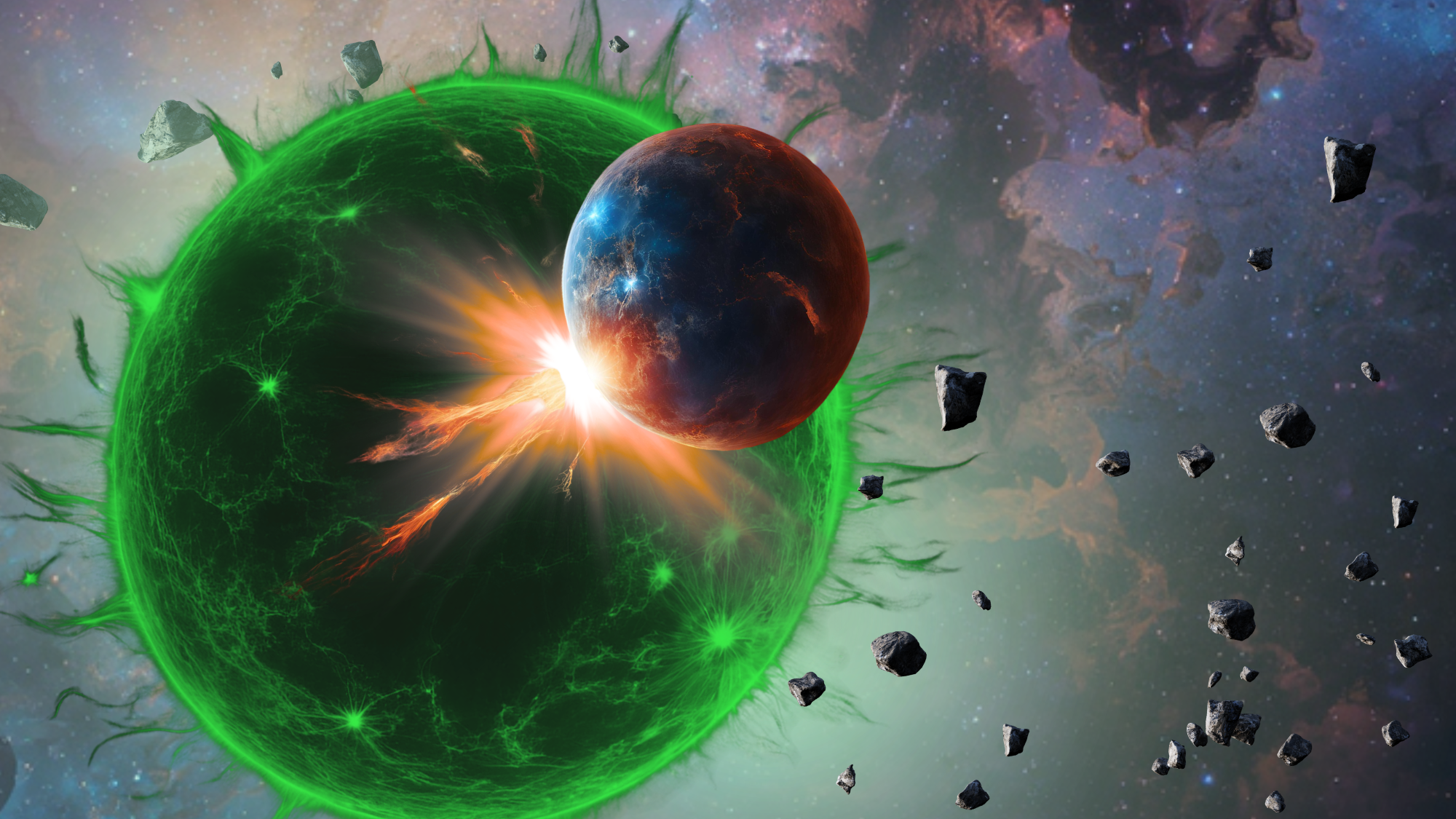
यह महत्वपूर्ण है क्योंकि एक्स-रे विकिरण किसी युवा तारे के आसपास के ग्रहों पर उसके विघटनकारी प्रभाव का एक बड़ा हिस्सा होता है। अपने युवावस्था में तारे आमतौर पर बाद के जीवन की तुलना में अधिक सक्रिय और ऊर्जावान होते हैं। यदि उनका एक्स-रे उत्पादन अपेक्षा से पहले या अधिक तेजी से घटता है, तो उनके चारों ओर परिक्रमा करने वाले ग्रहों को उस अवधि में कम कठोर वातावरण का सामना करना पड़ सकता है, जो वायुमंडल के विकास और दीर्घकालिक रहने-योग्यता के लिए महत्वपूर्ण हो सकती है।
चंद्रा ने क्या देखा
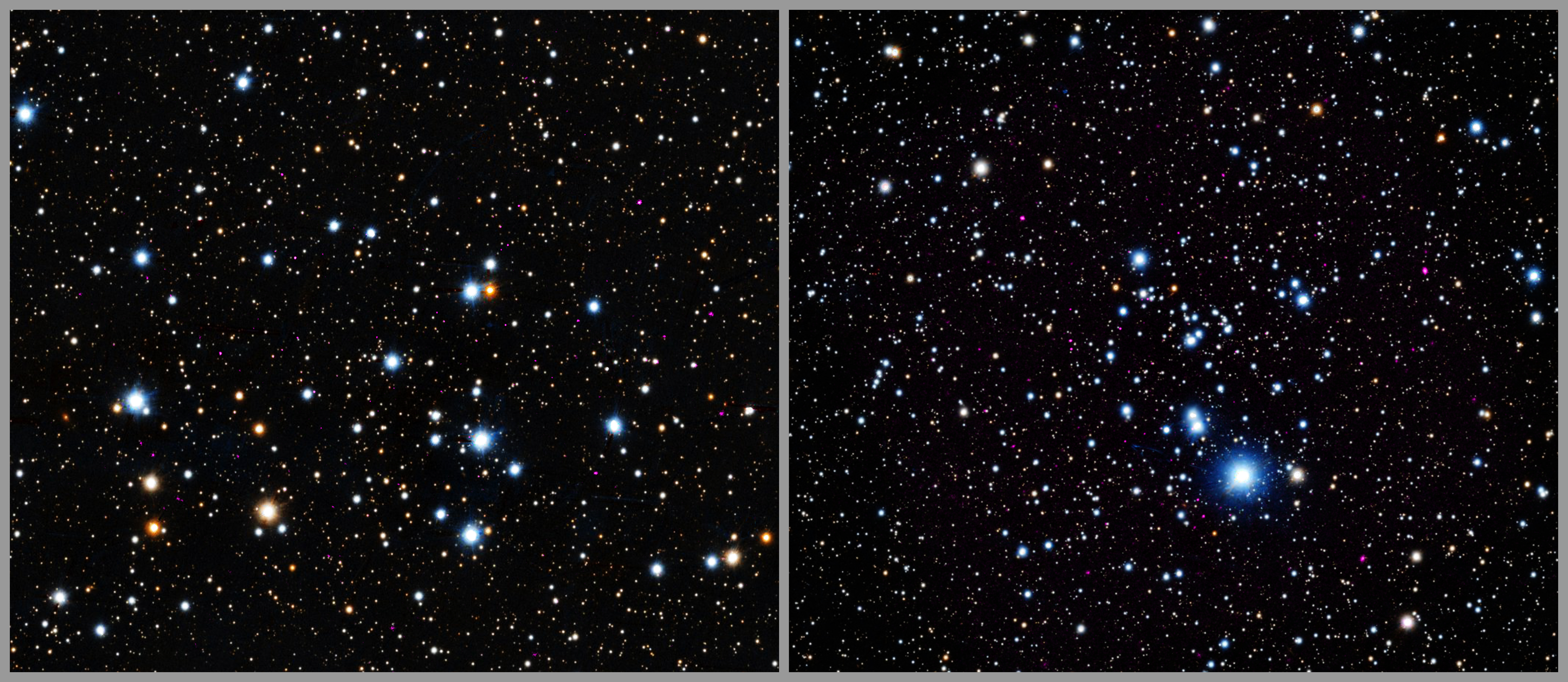
नासा की रिलीज़ दो खुले तारागुच्छों, ट्रमप्लर 3 और NGC 2353, की टिप्पणियों पर केंद्रित है, जबकि यह भी बताती है कि व्यापक अध्ययन में कुल आठ तारागुच्छों को देखा गया। इसमें शामिल आयु-सीमा काफी व्यापक है: एक ओर 45 मिलियन वर्ष और दूसरी ओर 750 मिलियन वर्ष। यह दायरा वैज्ञानिकों को उनके निर्माण के बाद विभिन्न चरणों पर तारों की तुलना करने और समय के साथ तारकीय गतिविधि कैसे बदलती है, इसका पता लगाने का अवसर देता है।
ध्यान उन तारों पर है जिन्हें सूर्य के युवा तारकीय समकक्ष बताया गया है। यह शब्दावली महत्वपूर्ण है। अध्ययन किसी यादृच्छिक तारों के समूह पर नहीं, बल्कि सूर्य-सदृश तारों पर केंद्रित है, जिनका विकास वैज्ञानिकों को हमारे अपने तारे के अतीत और आकाशगंगा में अन्य समान तारों के आसपास मौजूद स्थितियों दोनों को समझने में मदद कर सकता है।
मुख्य निष्कर्ष सरल लेकिन प्रभावशाली है: ये तारे पहले सोचे गए अनुमान से एक्स-रे में मंद हैं। नासा के अनुसार मापा गया उत्पादन अपेक्षा का केवल लगभग एक-चौथाई से एक-तिहाई था। व्यावहारिक रूप से इसका अर्थ है कि तारकीय जीवन के इस चरण की तीव्रता के बारे में पहले की धारणाएँ उच्च-ऊर्जा उत्सर्जन में इन तारों के विशेष रूप से विकिरणकारी बने रहने की अवधि को बढ़ा-चढ़ाकर बताती रही होंगी।
ग्रहों के लिए एक्स-रे क्यों महत्वपूर्ण हैं
एक्स-रे केवल खगोलीय विवरण नहीं हैं। वे तारों के आसपास के वातावरण को आकार देते हैं। उच्च-ऊर्जा विकिरण ग्रहों के वायुमंडल को प्रभावित कर सकता है, रासायनिक परिवर्तन ला सकता है, और किसी भी ऐसे विश्व पर दबाव बढ़ा सकता है जो गैसों का स्थिर आवरण बनाए रखने की कोशिश कर रहा हो। इसी कारण तारकीय युवावस्था की तीव्र गतिविधि को अक्सर रहने-योग्यता के लिए एक चुनौती माना गया है।
नासा के सारांश में इसका निहितार्थ स्पष्ट है: यह तेज़ी से शांत होना परिक्रमा करने वाले ग्रहों पर जीवन की संभावनाओं के लिए लाभकारी है, न कि खतरा। यह कथन उल्लेखनीय है क्योंकि यह सामान्य तस्वीर को पुनर्परिभाषित करता है। युवा तारकीय गतिविधि को केवल विनाशकारी शक्ति के रूप में देखने के बजाय, नया परिणाम सुझाव देता है कि सबसे खतरनाक चरण सूर्य-सदृश तारों में अपेक्षा से जल्दी समाप्त हो सकता है।
इसका अर्थ यह नहीं कि किसी युवा तारे के आसपास हर ग्रह अचानक जीवन का संभावित पालना बन गया है। रिलीज़ ऐसा कोई व्यापक दावा नहीं करती, और यहां प्रस्तुत अध्ययन भी उन अनेक अन्य कारकों को समाप्त नहीं करता जो तय करते हैं कि कोई ग्रह रहने योग्य बन सकता है या नहीं। लेकिन यह समीकरण के एक हिस्से में सुधार करता है। यदि उच्च-ऊर्जा उत्सर्जन तेजी से घटते हैं, तो ग्रहों के पास अपने वायुमंडल को बनाए रखने या अपने मेजबान तारों के परिपक्व होने के साथ अधिक स्थिर सतही परिस्थितियाँ विकसित करने की बेहतर संभावना हो सकती है।
सूर्य की युवावस्था पर एक नया दृष्टिकोण
चूंकि अध्ययन सूर्य-सदृश तारों के बारे में है, इसलिए इसका हमारे अपने सौरमंडल के प्रारंभिक इतिहास को समझने पर भी प्रभाव पड़ता है। आज का सूर्य अपनी युवावस्था की तुलना में कहीं अधिक शांत है, लेकिन खगोलविद समान तारों को अलग-अलग आयु पर देखकर उस इतिहास का पुनर्निर्माण करते हैं। यदि वे समान तारे अपेक्षा से कम एक्स-रे चमकीले हैं, तो युवा सूर्य के व्यवहार के मॉडल में भी संशोधन की आवश्यकता हो सकती है।
इससे शोधकर्ताओं के इस सोच पर असर पड़ सकता है कि प्रारंभिक पृथ्वी कैसी थी और यहां जीवन किन व्यापक परिस्थितियों में उभरा। नासा का सारांश इसे विस्तार से नहीं बताता, लेकिन तर्क स्पष्ट है: युवा सौर अनुरूप तारों की संशोधित मापें वैज्ञानिकों की प्रारंभिक सौरमंडलीय पर्यावरण की कल्पना में वापस शामिल होती हैं।
यह पृथ्वी से बाहर जीवन की खोज को भी प्रभावित करता है। आधुनिक बहिर्ग्रह विज्ञान अब केवल ग्रहों नहीं, बल्कि मेजबान तारों को समझने पर अधिक निर्भर करता है। एक शैलयुक्त ग्रह जो नाममात्र के अनुसार अनुकूल कक्षा में हो, फिर भी रहने-योग्यता के लिए खराब उम्मीदवार हो सकता है यदि उसका तारा बहुत लंबे समय तक अत्यधिक अस्थिर रहे। इसलिए ऐसे परिणाम लक्ष्य-चयन, व्याख्या और दीर्घकालिक मॉडलिंग, तीनों को बदलते हैं।
तारागुच्छ अध्ययन क्यों उपयोगी हैं
तारागुच्छ इस तरह के काम के लिए एक शक्तिशाली प्रयोगशाला प्रदान करते हैं क्योंकि वे लगभग समान आयु वाले तारों को एक ही स्थान पर एकत्र करते हैं। इससे आयु को कम-से-कम आंशिक रूप से नियंत्रित करते हुए तारकीय व्यवहार की populations की तुलना करना आसान हो जाता है। व्यापक समय-रेखा पर कई तारागुच्छों का नमूना लेकर वैज्ञानिक यह समझ सकते हैं कि गतिविधि कैसे विकसित होती है, न कि केवल अलग-अलग उदाहरणों पर निर्भर रहना।
नासा के सारांश में प्रस्तुत परिणाम की महत्ता को आठ तारागुच्छों का उपयोग और मजबूत करता है। निष्कर्ष किसी एक असामान्य समूह पर निर्भर नहीं है, बल्कि व्यापक अवलोकनों से उभरता है। रिलीज़ पूरी पद्धति या सांख्यिकीय चर्चा नहीं देती, लेकिन यह स्पष्ट रूप से अध्ययन को युवा सूर्य-सदृश तारों के परिवर्तन पर एक व्यापक दृष्टि के रूप में प्रस्तुत करती है।
चंद्रा इस कार्य के लिए विशेष रूप से उपयुक्त है क्योंकि यह ब्रह्मांड को एक्स-रे में देखता है, वह बैंड जो गर्म, ऊर्जावान प्रक्रियाओं को प्रकट करता है जो सामान्य ऑप्टिकल छवियों में अदृश्य होती हैं। जब खगोलविद उच्च ऊर्जा पर तारकीय गतिविधि को समझना चाहते हैं, तो एक्स-रे वेधशालाएँ अनिवार्य होती हैं।
कुछ दुनियाओं के लिए एक अधिक शांत प्रारंभिक ब्रह्मांड
सबसे महत्वपूर्ण निष्कर्ष केवल यह नहीं है कि कुछ तारे अपेक्षा से मंद हैं। यह है कि तारकीय शांत होने की समयरेखा को समायोजित करने की आवश्यकता हो सकती है, और यह समायोजन ग्रहों की स्थिरता के पक्ष में है। नासा का सारांश सावधान लेकिन आशावादी है: युवा सूर्य-सदृश तारों से कम एक्स-रे उत्सर्जन उनके परिक्रमा करने वाले ग्रहों पर जीवन की संभावनाओं के लिए अच्छी खबर है।
उस दौर में जब रहने-योग्यता पर बहसें अक्सर खतरों पर जोर देती हैं, यह अध्ययन एक उपयोगी संतुलन प्रदान करता है। अंतरिक्ष अब भी कठोर है, और युवा तारे अब भी सक्रिय हैं, लेकिन यहां प्रस्तुत साक्ष्य सुझाव देते हैं कि कम-से-कम कुछ सौर समकक्ष अपेक्षा से पहले शांत हो सकते हैं। यह कहीं भी जीवन की गारंटी नहीं देता। लेकिन यह कुछ युवा तारों के आसपास के वातावरण को पुराने आकलन की तुलना में कम शत्रुतापूर्ण बनाता है।
ग्रह विज्ञान के लिए यह एक अर्थपूर्ण बदलाव है। व्यापक खगोल विज्ञान के लिए यह एक याद दिलाने वाला संकेत है कि बेहतर माप न केवल तारों के बारे में हमारी जानकारी, बल्कि उनके आसपास जीवन के बने रहने की संभावनाओं के बारे में हमारी सोच को भी बदल सकते हैं। चंद्रा का नवीनतम परिणाम ठीक यही करता है, तारकीय भौतिकी और विज्ञान के सबसे बड़े प्रश्नों में से एक के बीच की दूरी को कम करते हुए: पृथ्वी से परे, जीवन कहाँ और किन परिस्थितियों में टिक सकता है।
यह लेख नासा की रिपोर्टिंग पर आधारित है। मूल लेख पढ़ें.

Originally published on nasa.gov