Reading Between the Lines of the Moon Program
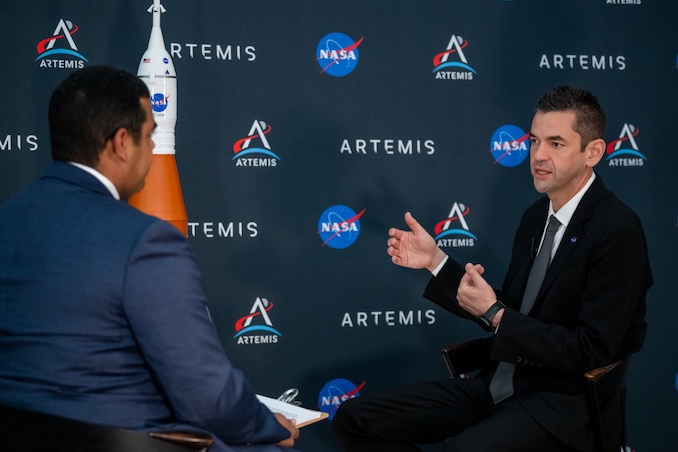
When NASA's administrator sits for a one-on-one interview and describes upcoming Artemis program announcements as something people will want to pay attention to, the space community listens carefully. That was the message delivered in a recent interview with Spaceflight Now, in which the agency chief teased an undisclosed set of updates to the Artemis lunar exploration program — updates described as consequential enough to reshape the program's near and medium-term trajectory. The agency has confirmed that a formal announcement is expected within weeks, but the substance of the changes has not been officially disclosed.
Reading the available evidence, however, paints a fairly clear picture of what is being reconsidered. The Artemis program, as originally designed, called for a sequence of steadily more ambitious lunar missions using the Space Launch System and Orion capsule as the primary transportation architecture, culminating in a permanent lunar Gateway station in orbit around the Moon. That architecture is now under significant pressure: cost overruns, schedule slippage, the cancellation of the Gateway in earlier budget proposals, and a changing competitive landscape in which SpaceX's Starship offers an alternative path to the lunar surface that is potentially both faster and cheaper.
What May Change — and Why
Several specific elements of the Artemis architecture have been identified as likely candidates for modification. The first is the future of the Gateway lunar orbital station — a multi-module outpost intended to serve as a staging point for lunar surface missions. NASA had already significantly descoped Gateway in response to budget constraints, but the new administration has reportedly been reviewing whether to cancel it entirely in favor of direct-to-surface missions using Starship as the sole lander vehicle.
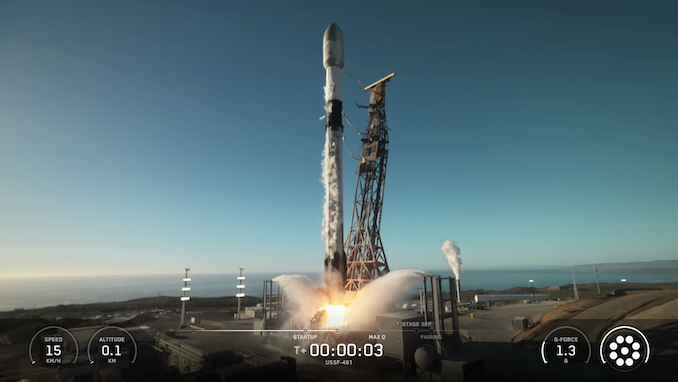
The second area under review is the number and cadence of SLS-dependent missions. The SLS rocket costs approximately $2.2 billion per launch — a figure that is essentially impossible to reduce given the fixed cost structure of maintaining the production line for expendable first stages. Some within NASA and the policy community have argued that after Artemis 2 and 3, subsequent lunar missions should increasingly rely on commercial launch vehicles, potentially including Starship in a crew transport role, rather than continuing to fly SLS as the primary crew launcher.
The Budget Pressure Is Real
The fiscal context for these reviews is stark. NASA's exploration budget has not grown in real terms at anything close to the rate required to execute the original Artemis manifest on schedule. The most recent budget request proposed cuts of several hundred million dollars to the Artemis program relative to prior enacted levels, and continuing resolutions rather than full appropriations have made multi-year planning extremely difficult. The Government Accountability Office has repeatedly flagged the Artemis program as a high-risk initiative due to cost growth and schedule uncertainty.
At the same time, international partners — the European Space Agency, Japan's JAXA, Canada, and others — have committed hardware and personnel to the Artemis framework, creating diplomatic as well as technical complications for any major architectural change. ESA provides the service module for the Orion capsule, while Canada's contribution of the Canadarm3 to the Gateway creates commitments that a Gateway cancellation would need to navigate carefully.
Commercial Competition and Political Will
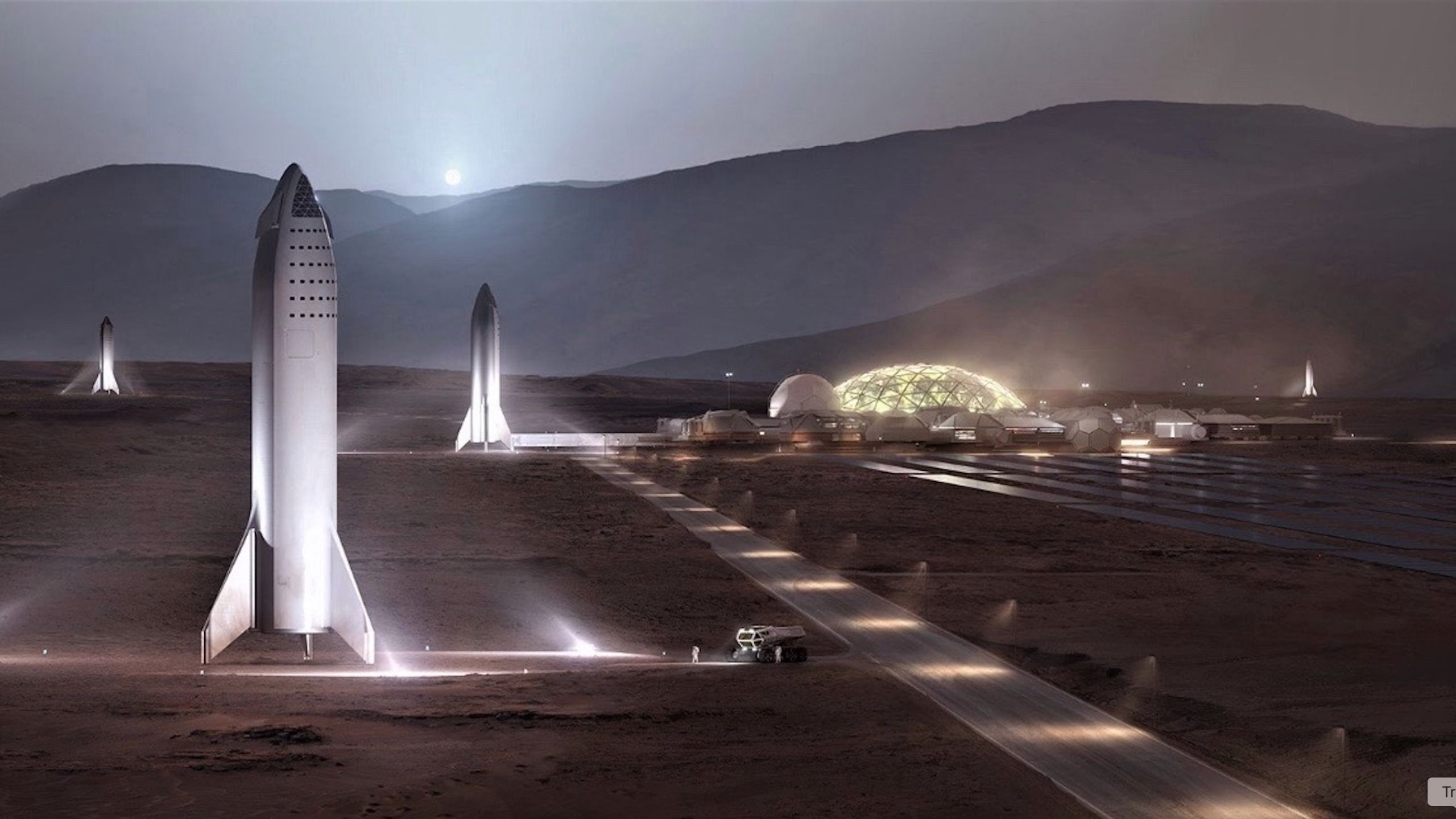
Perhaps the most significant external pressure on Artemis is the growing credibility of SpaceX's alternative lunar architecture. Starship, if it achieves the performance and reusability milestones SpaceX has projected, could deliver payloads to the lunar surface at a fraction of the cost of a combined SLS-Orion-HLS mission. NASA selected Starship as the Human Landing System for Artemis 3 and beyond, meaning the agency has already deeply integrated SpaceX into its lunar plans. Some analysts have suggested the logical next step is for Starship to take on an even larger role — potentially replacing SLS for crew transportation as well.
Whether political will exists for that level of architectural change remains unclear. SLS and Orion represent enormous economic activity in congressional districts across the country, and their congressional champions have consistently pushed back against cost-based arguments for transitioning to commercial alternatives. The administrator's decision to tease changes publicly rather than announce them quietly suggests the coming update will be significant enough to require active management of stakeholder expectations — which in turn suggests that the changes are substantial, not merely scheduling adjustments. For the global space community, the coming weeks of Artemis program news represent an inflection point that will shape the trajectory of human spaceflight for the next decade.
This article is based on reporting by Spaceflight Now. Read the original article.

Originally published on spaceflightnow.com