एक commercial moon lander ने एक बड़ा test gate पार कर लिया
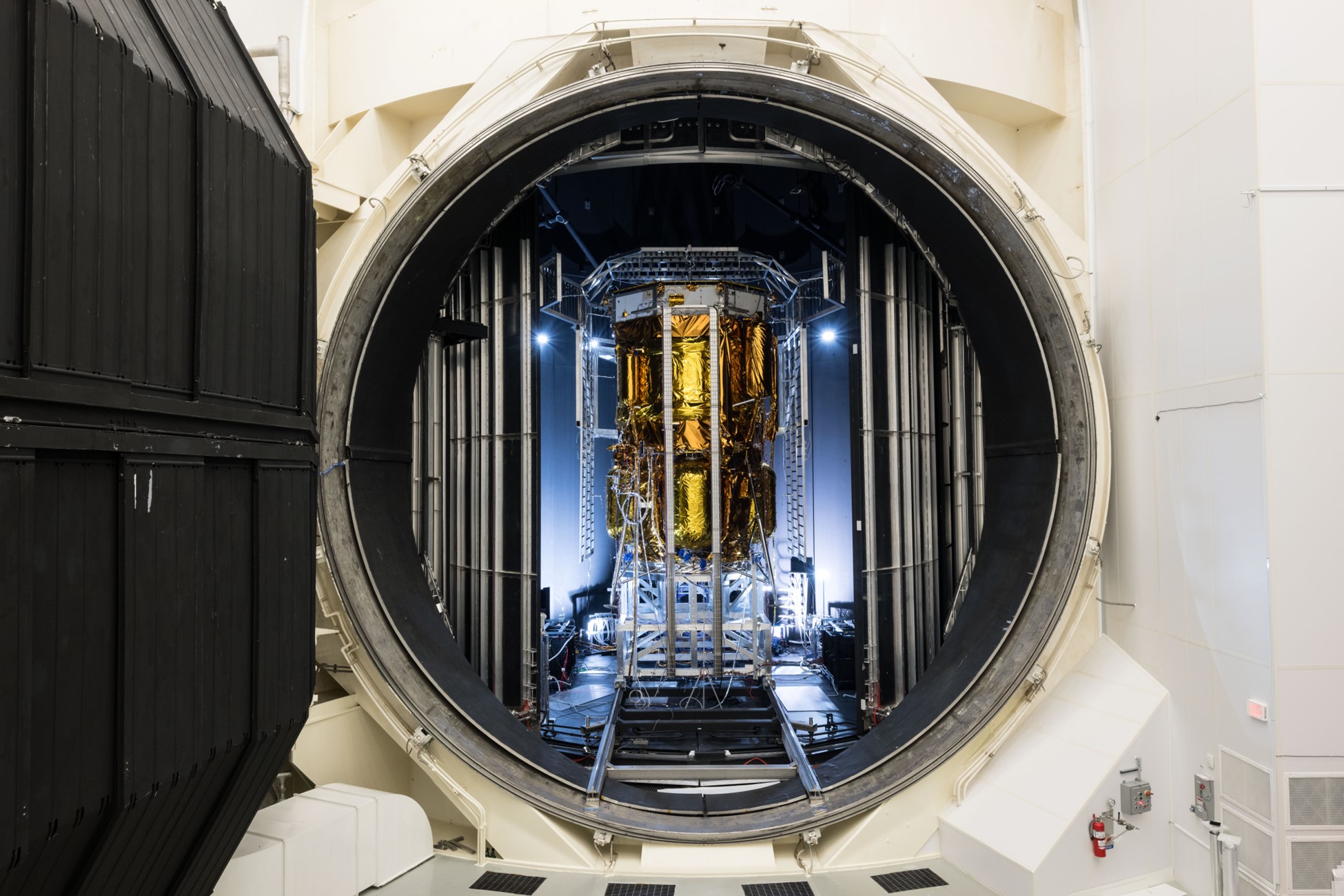
Blue Origin का Blue Moon Mark 1 lunar lander, जिसे Endurance के नाम से जाना जाता है, ने Houston स्थित NASA के Johnson Space Center के Thermal Vacuum Chamber A के भीतर environmental testing पूरा कर लिया है। यह उपलब्धि कंपनी के uncrewed cargo mission और NASA की व्यापक Artemis strategy, दोनों के लिए महत्वपूर्ण है, जो increasingly commercial systems पर निर्भर करती है ताकि hardware mature हो, payloads को आगे बढ़ाया जा सके, और future crewed operations से पहले risk कम किया जा सके।
यह spacecraft Blue Origin द्वारा Human Landing System capabilities को आगे बढ़ाने के लिए एक commercial demonstration mission के रूप में funded है। इसका मतलब है कि MK1 एक standalone lander से कहीं अधिक है। यह एक बड़े प्रयास का हिस्सा है, जिसका उद्देश्य साबित करना है कि commercial lunar vehicles precision landing कर सकते हैं, complex propulsion systems operate कर सकते हैं, और उन conditions में useful science surface तक पहुंचा सकते हैं, जो अंततः sustained exploration के लिए महत्वपूर्ण होंगी।
Vacuum chamber क्यों महत्वपूर्ण है
Thermal vacuum testing spacecraft verification के सबसे consequential चरणों में से एक है, क्योंकि यह अंतरिक्ष के vacuum और flight के दौरान वाहन को मिलने वाले extreme temperatures को recreate करता है। NASA Johnson का Chamber A इस तरह की दुनिया की सबसे बड़ी facilities में से एक है, जो engineers को एक controlled environment देता है ताकि वे जांच सकें कि lander उन conditions में कैसे perform करता है, जिन्हें ordinary ground tests पूरी तरह से replicate नहीं कर सकते।
MK1 के लिए, tests का उद्देश्य system performance का मूल्यांकन करना और launch से पहले structural तथा thermal integrity की पुष्टि करना था। यह विशेष रूप से एक lunar vehicle के लिए महत्वपूर्ण है, जिसकी Moon की surface पर उतरने और ऐसे environment में operate करने की उम्मीद है जहां गलतियां आम तौर पर terminal साबित होती हैं। यह phase पूरा होना mission success की गारंटी नहीं देता, लेकिन यह uncertainty को उस तरह कम करता है जो कंपनी और उसके government partner, दोनों के लिए मायने रखता है।
यह काम reimbursable Space Act Agreement के तहत किया गया, जिसे NASA public-private partnership model का हिस्सा बताता है। यह setup lunar development के लिए agency के मौजूदा approach को दर्शाता है: government facilities और expertise का उपयोग करके commercial capability को तेज करना, बिना traditional NASA-led program के भीतर पूरी cost और execution burden को पूरी तरह अपने ऊपर लिए।
MK1 को क्या प्रदर्शित करना है
Endurance को आधुनिक lunar operations के केंद्र में मौजूद तीन capabilities दिखाने के लिए design किया गया है: precision landing, cryogenic propulsion, और autonomous guidance, navigation, and control। हर capability रणनीतिक रूप से महत्वपूर्ण है।
Precision landing यह तय करती है कि spacecraft Moon तक व्यापक अर्थ में पहुंचने के बजाय targeted science zones या infrastructure nodes तक पहुंच सकते हैं या नहीं। Cryogenic propulsion महत्वपूर्ण है क्योंकि super-cold propellants को store और manage करना higher-performance missions के लिए आवश्यक है। Autonomous guidance और navigation critical हैं क्योंकि lunar landing के लिए ऐसे environment में तेज निर्णय लेने पड़ते हैं, जहां Earth से real-time human piloting practical नहीं है।
यदि MK1 अच्छा प्रदर्शन करता है, तो यह केवल एक cargo mission की पुष्टि नहीं करेगा। यह design और operational lessons को बाद के systems, including Blue Moon Mark 2, में भी भेजेगा, जो बड़ा crewed lander है जिसे Blue Origin भविष्य में astronauts को lunar orbit और surface के बीच transport करने के लिए विकसित कर रहा है।
NASA payloads और South Pole पर ध्यान
यह mission इस साल Commercial Lunar Payload Services initiative के तहत lunar South Pole region में दो NASA science और technology payloads भी ले जाएगा। इनमें से एक Stereo Cameras for Lunar Plume-Surface Studies है, high-resolution cameras का एक set, जो descent और landing के दौरान lander के engine plume और surface की interaction की imagery capture करेगा। दूसरा Laser Retroreflective Array है, जो reflected laser light का उपयोग करके orbiting spacecraft को अधिक precise location data निर्धारित करने में मदद करेगा।
ये payloads दिखाते हैं कि NASA commercial landers को केवल transportation के रूप में नहीं देख रहा है। Agency उन्हें environmental data इकट्ठा करने और future missions से संबंधित enabling technologies का परीक्षण करने के अवसर के रूप में भी इस्तेमाल कर रही है। South Pole पर focus विशेष रूप से उल्लेखनीय है, क्योंकि वह region long-term lunar planning का केंद्रीय हिस्सा बन गया है।
Artemis के लिए इसका क्या मतलब है
इस test milestone का सबसे मजबूत अर्थ ceremonial से अधिक strategic है। Artemis एक layered ecosystem पर निर्भर करता है जिसमें NASA हर vehicle खुद नहीं बनाता। इसके बजाय, वह logistics, science delivery, और अंततः human landing operations में commercial providers को शामिल करता है। MK1 की प्रगति दिखाती है कि यह model अभी भी policy slogan बने रहने के बजाय concrete engineering steps के माध्यम से आगे बढ़ रहा है।
NASA ने कहा कि MK1 के design, integration, और testing से मिले lessons future Artemis missions को support करेंगे। इसमें later human-class systems के लिए technology maturation और risk reduction शामिल है। व्यवहार में, इसका मतलब है कि cargo mission एक engineering bridge की तरह काम कर रहा है: यह operational lunar work के इतना करीब है कि मायने रखे, लेकिन crewed landing campaign की तुलना में पहले चरण में और कम demanding है।
Blue Origin के लिए, chamber testing पूरा करना company को एक ऐसे mission की ओर आगे बढ़ाता है जो highly competitive lunar market में credibility दिखा सकता है। NASA के लिए, यह सबूत है कि Artemis को feed करने वाली commercial pipeline सक्रिय बनी हुई है। और व्यापक space sector के लिए, यह एक और संकेत है कि lunar exploration increasingly shared infrastructure, shared risk, और staged capability development के माध्यम से बन रही है।
Hardware को अभी भी launch, land, और perform करना होगा। लेकिन thermal vacuum testing पूरा होने के साथ, MK1 ने concept और mission-ready spacecraft के बीच की सबसे स्पष्ट सीमाओं में से एक पार कर ली है।
यह लेख NASA की रिपोर्टिंग पर आधारित है। मूल लेख पढ़ें.
Originally published on nasa.gov