एक घातक समूह ने तुरंत सवाल खड़े कर दिए हैं
अटलांटिक महासागर में एक क्रूज़ जहाज़ से जुड़े hantavirus के एक समूह ने अंतरराष्ट्रीय चिंता पैदा कर दी है, क्योंकि विश्व स्वास्थ्य संगठन ने कहा है कि यात्रियों में एक पुष्ट और पाँच संदिग्ध संक्रमण पाए गए। छह प्रभावित लोगों में से तीन की मौत हो चुकी है और एक गहन चिकित्सा देखभाल में है, जैसा कि 3 मई के WHO बयान में रिपोर्ट का हवाला देते हुए कहा गया।
स्थिति अभी विकसित हो रही है, और कई विवरण अभी भी अनसुलझे हैं, जिनमें शामिल है कि कौन-सा hantavirus इसमें शामिल है। फिर भी, यह घटना इसलिए अलग दिखती है क्योंकि hantavirus संक्रमण दुर्लभ, गंभीर, और सार्वजनिक स्वास्थ्य तथा चिकित्सा हलकों के बाहर अक्सर कम समझे जाते हैं। एक क्रूज़ जहाज़ जैसे सीमित और अत्यधिक प्रबंधित वातावरण में संदिग्ध समूह यह जांच और तेज़ कर सकता है कि संपर्क कैसे हुआ, लक्षण कितनी जल्दी पहचाने गए, और प्रयोगशाला पुष्टि पूरी होने से पहले स्वास्थ्य अधिकारी क्या निष्कर्ष निकाल सकते हैं।
Hantavirus क्या हैं और लोग कैसे संक्रमित होते हैं
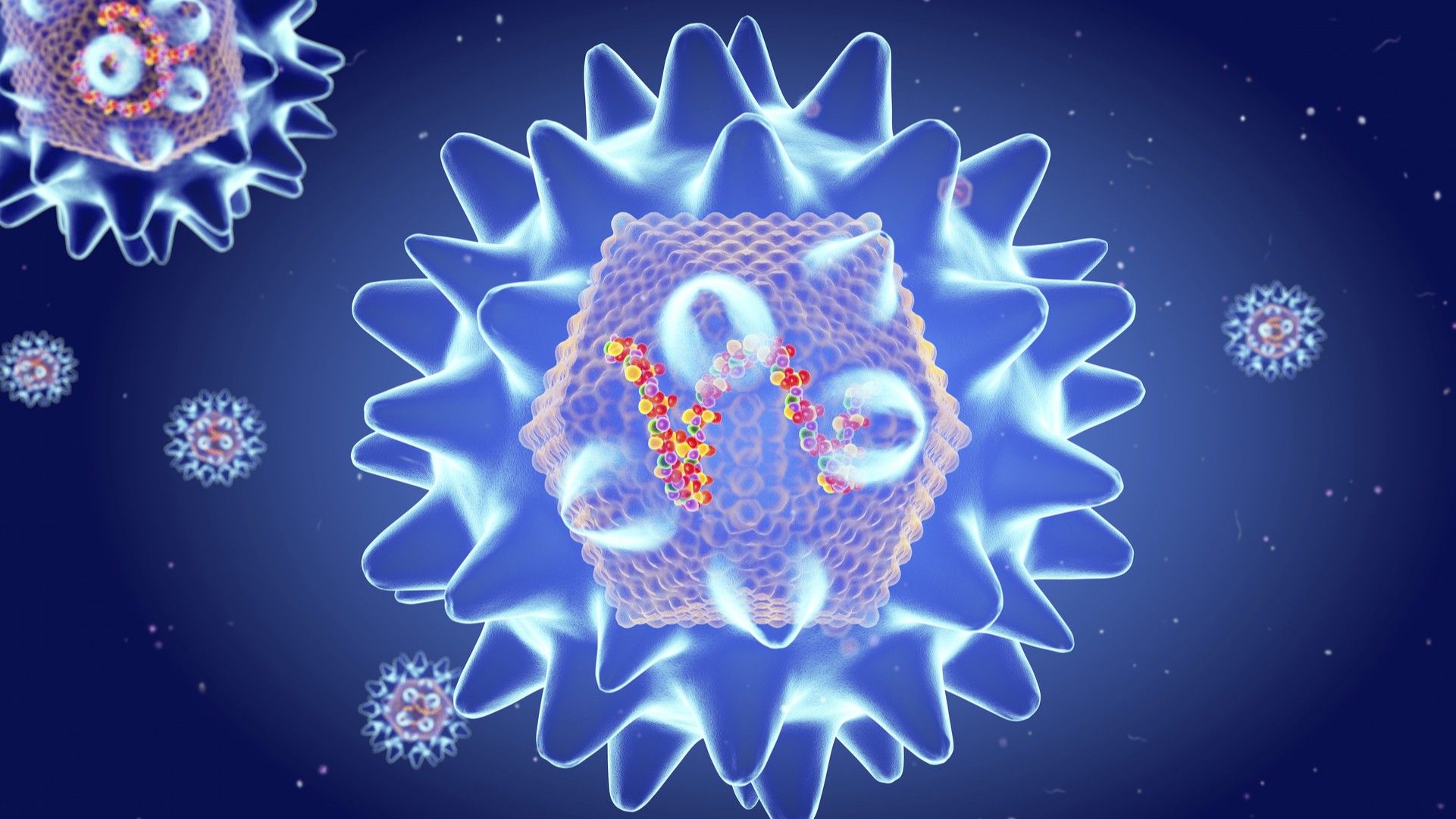
Hantavirus वायरसों का एक परिवार है, जो आमतौर पर कृन्तकों द्वारा वहन किया जाता है। लोग आम तौर पर संक्रमित जानवरों के मूत्र, मल, या लार के संपर्क से संक्रमित होते हैं, और कम ही काटे जाने से। इसलिए ये वायरस मुख्यतः एक zoonotic खतरा हैं, जो सामान्यतः व्यक्ति-से-व्यक्ति फैलाव के बजाय दूषित वातावरण के माध्यम से मानव सेटिंग्स में प्रवेश करते हैं।
एक महत्वपूर्ण अपवाद है। Andes virus नाम का एक hantavirus एक संक्रमित व्यक्ति से दूसरे में फैलने में सक्षम रहा है, लेकिन रिपोर्ट के अनुसार ऐसे मामले दुर्लभ रहे हैं। वर्तमान क्रूज़ जहाज़ समूह में, विशिष्ट वायरस का खुलासा नहीं किया गया है, इसलिए यह निष्कर्ष निकालना अभी जल्दबाज़ी होगी कि मानवीय संक्रमण प्रासंगिक है या नहीं। यह अनिश्चितता महत्वपूर्ण है, क्योंकि शामिल रोगजनक के अनुसार नियंत्रण प्रतिक्रिया अलग हो सकती है।
हालाँकि, सीमित पुष्ट जानकारी इतनी है कि यह समझा जा सके कि स्वास्थ्य अधिकारी स्थिति को गंभीरता से क्यों ले रहे हैं। Hantavirus दो प्रमुख गंभीर बीमारियाँ पैदा कर सकते हैं। एक है hantavirus pulmonary syndrome, या HPS। दूसरी है hemorrhagic fever with renal syndrome, या HFRS।

दो गंभीर रोग-पैटर्न, दो अलग समय-रेखाएँ
HPS आम तौर पर अधिक घातक प्रस्तुति है। यह संपर्क के बाद आठ सप्ताह तक में विकसित हो सकता है और अक्सर बुखार, कंपकंपी, और थकान जैसे अन्य संक्रमणों से मिलते-जुलते लक्षणों से शुरू होता है। खतरा उसके बाद आने वाली स्थिति में है: अंगों की खराबी और गंभीर श्वसन समस्याएँ। रिपोर्ट कहती है कि जब HPS के श्वसन लक्षण विकसित हो जाते हैं, तो मृत्यु दर 38 प्रतिशत होती है।
HFRS का पैटर्न अलग होता है। यह आम तौर पर संपर्क के लगभग दो से चार सप्ताह के भीतर विकसित होता है और बुखार, सिरदर्द, जठरांत्रीय लक्षण, गुर्दे की खराबी, और कभी-कभी आंतरिक रक्तस्राव से जुड़ा होता है। इसकी मृत्यु दर विशिष्ट hantavirus के अनुसार बदलती है, और रिपोर्ट में 1 प्रतिशत से 15 प्रतिशत तक की सीमा का उल्लेख है।
ये दो सिंड्रोम यह समझाते हैं कि वास्तविक समय में hantavirus समूह की व्याख्या करना क्यों कठिन हो सकता है। लक्षण शुरुआती संपर्क के काफी समय बाद उभर सकते हैं, शुरुआती संकेत अस्पष्ट हो सकते हैं, और गंभीरता स्ट्रेन तथा बीमारी के नैदानिक रूप के अनुसार बदल सकती है। यात्रियों, चालक दल और स्वास्थ्य अधिकारियों के लिए, इसका मतलब है कि संपर्क का पता लगाना और भविष्य के जोखिम का अनुमान लगाना तत्काल संकट के बाद भी जटिल रह सकता है।
इलाज नहीं, केवल सहायक देखभाल
इस प्रकोप को इतना गंभीर बनाने का एक और कारण यह है कि hantavirus बीमारी का कोई इलाज नहीं है। देखभाल का उद्देश्य लक्षणों का प्रबंधन करना और मरीजों को श्वसन या अंग-संबंधी जटिलताओं से उबरने में सहायता देना होता है। इससे शुरुआती पहचान, सावधानीपूर्वक निगरानी और संक्रमण स्रोत नियंत्रण और भी महत्वपूर्ण हो जाते हैं।
क्रूज़ जहाज़ पर, जहाँ बीमारी की निगरानी पहले से ही एक बड़ा संचालन संबंधी मुद्दा है, ऐसा रोगजनक स्पष्ट दबाव पैदा करता है। जहाज़ घनी आबादी, साझा स्थानों, और भोजन, कचरा, तथा भंडारण की जटिल व्यवस्था को एक साथ लाते हैं। भले ही अंततः यह साबित हो जाए कि hantavirus का संपर्क प्रस्थान से पहले या किसी विशिष्ट, सीमित स्थान पर हुआ था, यात्रा से जुड़ी संचार की संभावना भी एक कठिन जन-स्वास्थ्य चुनौती पेश करती है। अधिकारियों को प्रयोगशाला साक्ष्य के अभी भी तैयार हो रहे होने के बीच तेज़ संचार और सावधानी के बीच संतुलन बनाना होता है।
रिपोर्ट बताती है कि क्रूज़ से जुड़ी बीमारियों में से अब तक केवल एक ही की पुष्टि हुई है। यह अंतर बहुत महत्वपूर्ण है। परीक्षण जारी रहने पर संदिग्ध मामलों की संख्या में बड़ा बदलाव आ सकता है। कुछ मामलों को खारिज किया जा सकता है; अन्य को तब पुनर्वर्गीकृत किया जा सकता है जब साझा संपर्क की पुष्टि हो जाए। इस स्तर पर पुष्ट डेटा बिंदु छोटा है, लेकिन परिणामों की गंभीरता ने इस समूह को नज़रअंदाज़ करना असंभव बना दिया है।
यह प्रकोप जहाज़ से आगे क्यों मायने रखता है
क्रूज़ जहाज़ के मामलों का व्यापक महत्व केवल इतना नहीं है कि hantavirus शामिल हो सकता है। यह भी है कि एक उच्च-प्रोफ़ाइल प्रकोप उन बीमारियों के बारे में सार्वजनिक समझ में मौजूद अंतराल को उजागर कर सकता है जो दुर्लभ लेकिन बेहद खतरनाक हैं। बहुत से यात्री समुद्र में होने वाले norovirus प्रकोपों से परिचित हैं, और कुछ लोग क्रूज़ सेटिंग्स में श्वसन वायरस की भूमिका समझते हैं। Hantavirus एक अलग जोखिम श्रेणी में आता है, जो सामान्य जहाज़-आधारित बीमारी की धारणाओं के बजाय पर्यावरणीय संपर्क और कृंतक संपर्क से अधिक जुड़ा है।
जब जांचकर्ता पीछे की ओर काम करेंगे तो यह अंतर महत्वपूर्ण होगा। यदि जिम्मेदार वायरस की पहचान हो जाती है, तो ध्यान शायद इस पर जाएगा कि संपर्क कहाँ और कैसे हुआ, और क्या मामले किसी साझा स्रोत, सीमित जहाज़-आधारित संदूषण, या यात्रा से पहले की किसी घटना को दर्शाते हैं। तब तक, प्रकोप अनिश्चितता, गंभीरता, और सार्वजनिक स्वास्थ्य अधिकारियों द्वारा सार्वजनिक किए गए सीमित तथ्यों से परिभाषित रहेगा।
अभी के लिए, सबसे महत्वपूर्ण सीख सरल है। Hantavirus संक्रमण दुर्लभ हैं, लेकिन वे बहुत तेज़ी से गंभीर हानि पहुँचा सकते हैं, और उनका निदान हमेशा तुरंत नहीं होता। अटलांटिक क्रूज़ समूह ने इस चिकित्सीय वास्तविकता को सार्वजनिक बना दिया है। जाँच पूरी होने से पहले ही, यह याद दिला चुका है कि कुछ सबसे खतरनाक संक्रामक खतरे सबसे आम नहीं, बल्कि वे हैं जिन्हें गंभीर बीमारी शुरू होने से पहले पहचानना सबसे कठिन होता है।
यह लेख Live Science की रिपोर्टिंग पर आधारित है। मूल लेख पढ़ें.
Originally published on livescience.com