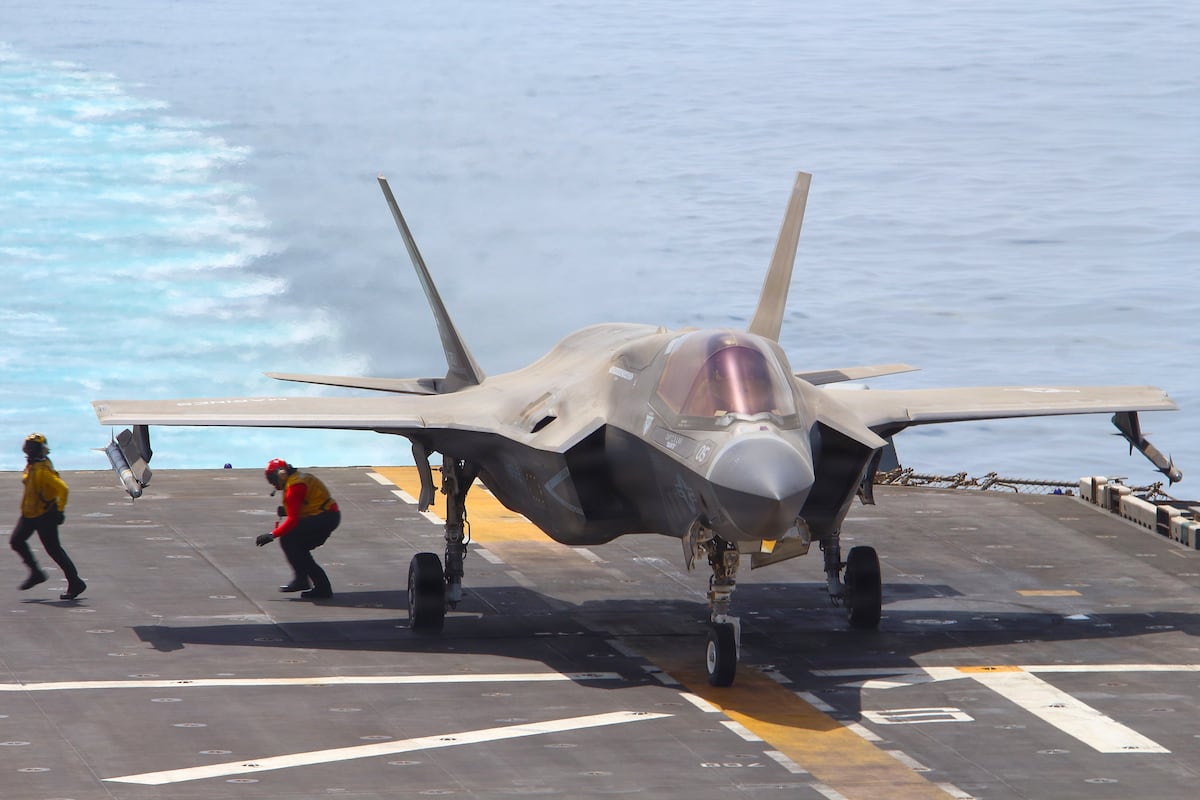
कागज पर F-35 की बड़ी खरीद है, लेकिन पूरी तरह सुरक्षित नहीं
पेंटागन के वित्त वर्ष 2027 बजट अनुरोध में संयुक्त बल के लिए 85 F-35 Lightning II लड़ाकू विमानों का प्रावधान है, जो वित्त वर्ष 2026 में मांगे गए 47 विमानों की तुलना में तेज बढ़ोतरी है। पहली नज़र में यह खरीद में कमी के दौर के बाद एक बड़े बदलाव और लड़ाकू विमान कार्यक्रम के प्रति नए सिरे से प्रतिबद्धता जैसा दिखता है। लेकिन विवरण एक अधिक नाज़ुक तस्वीर पेश करते हैं। इन विमानों में से केवल 32 का वित्तपोषण बेस विवेकाधीन बजट से किया गया है। शेष 53 एक अलग 350 अरब डॉलर के अनिवार्य वित्तपोषण प्रस्ताव पर निर्भर हैं, जिसे प्रशासन दूसरे समायोजन विधेयक के माध्यम से आगे बढ़ाना चाहता है, लेकिन वह अभी तक पेश नहीं किया गया है।
इससे सुर्खियों में दिखने वाला आंकड़ा एक तय खरीद निर्णय कम और एक सशर्त योजना अधिक बन जाता है। यदि कांग्रेस अतिरिक्त कानून पारित नहीं करती, तो खरीद घटकर 32 विमानों तक रह सकती है, जो वित्त वर्ष 2026 के आधार स्तर से भी कम होगी। दूसरे शब्दों में, बजट केवल अधिक F-35 का अनुरोध नहीं करता। यह इस खरीद के भविष्य को एक व्यापक राजनीतिक और वित्तीय संघर्ष के भीतर रख देता है, जो अभी भी अनसुलझा है।
यह अनुरोध क्यों महत्वपूर्ण है
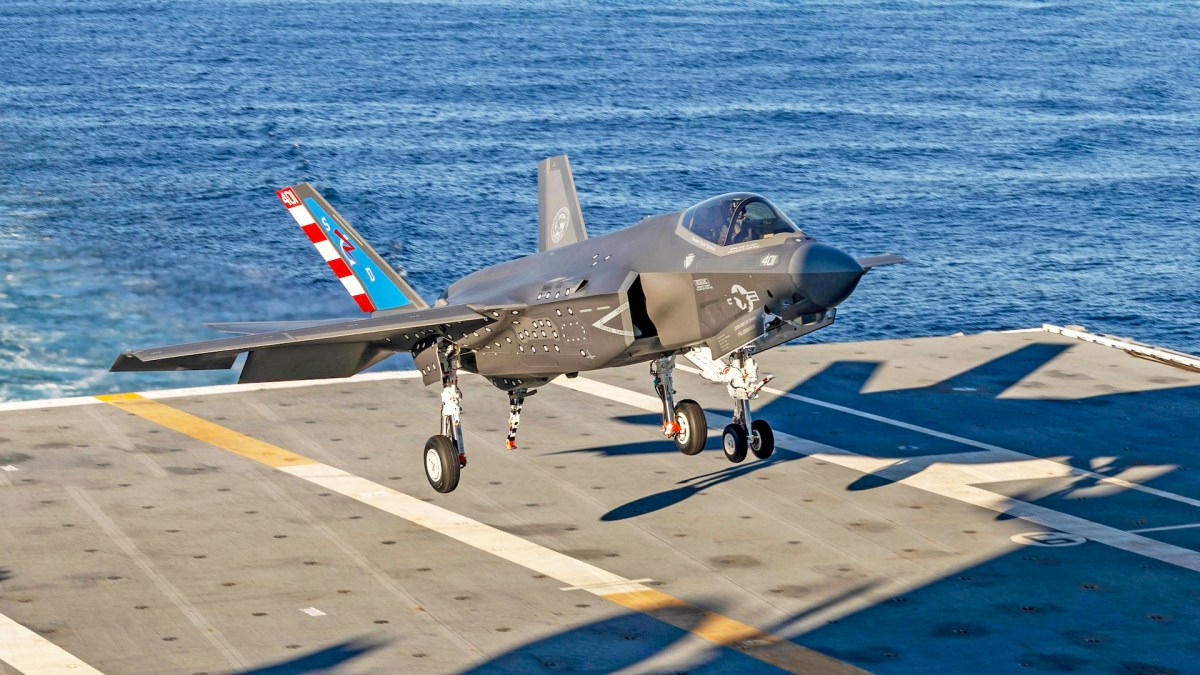
प्रस्तावित 85 विमानों की खरीद वित्त वर्ष 2022 के बाद से पेंटागन की सबसे बड़ी एक-वर्षीय F-35 खरीद होगी। स्रोत पाठ के अनुसार, प्रस्तावित मिश्रण में वायुसेना के लिए 38 F-35A, नौसेना और मरीन कॉर्प्स के लिए 37 F-35C, और मरीन कॉर्प्स के लिए 10 F-35B शामिल हैं। तीनों संस्करणों की संयुक्त लागत बजट औचित्य दस्तावेजों के आधार पर लगभग 21.4 अरब डॉलर है।
इस पैमाने का महत्व इसलिए है क्योंकि F-35 कई सेवाओं में अमेरिकी सामरिक वायुशक्ति आधुनिकीकरण की रीढ़ बना हुआ है। बड़ी खरीद से भंडार भरने, औद्योगिक उत्पादन बनाए रखने और वर्षों की देरी, रखरखाव संबंधी शिकायतों और तत्परता समस्याओं के बावजूद विमान की दीर्घकालिक भूमिका में विश्वास का संकेत देने में मदद मिलेगी। फिर भी, अनुरोध की संरचना यह भी दिखाती है कि सामान्य बजट प्रक्रिया के जरिए उस दृष्टि को पूरी तरह वित्तपोषित करना कितना कठिन बना हुआ है।
तत्काल निर्णयकर्ता कांग्रेस है
राजनीतिक जोखिम स्पष्ट है। हाउस स्पीकर माइक जॉनसन स्वीकार कर चुके हैं कि दूसरा समायोजन विधेयक पारित कराना कठिन हो सकता है, और हाउस के कुछ रिपब्लिकन पिछले साल One Big Beautiful Bill Act के पारित होने के बाद इस विचार का पहले ही विरोध कर चुके हैं। क्योंकि पूरक अनिवार्य वित्तपोषण विधेयक अभी तक पेश ही नहीं किया गया है, इसलिए F-35 अनुरोध का अधिकांश हिस्सा इस समय ऐसे तंत्र पर टिका है, जिसके अस्तित्व में आने की कोई गारंटी नहीं है।
रक्षा योजनाकारों और उद्योग, दोनों के लिए इससे अनिश्चितता पैदा होती है। खरीद योजनाएँ आपूर्तिकर्ताओं की प्रतिबद्धताओं, कार्यबल की अपेक्षाओं और उत्पादन गति को प्रभावित करती हैं। 85 विमानों का अनुरोध औद्योगिक आधार को एक संकेत देता है। 32 की अंतिम मंजूरी एक अलग संकेत देगी। इन दोनों परिणामों के बीच का अंतर कार्यक्रम भर की योजना को प्रभावित करने के लिए पर्याप्त बड़ा है।
बजट लंबे समय से चली आ रही कार्यक्रमगत समस्याओं को भी सुलझाने की कोशिश करता है
वित्त वर्ष 2027 का अनुरोध सिर्फ़ और जेट खरीदने के बारे में नहीं है। इसमें उन्नयन को तेज करने और तत्परता सुधारने के लिए धन भी शामिल है। अनिवार्य वित्तपोषण अनुरोध में 324 मिलियन डॉलर की एक बजट मद 200 Block 4 संशोधन किटों की खरीद को तेज करेगी, जिससे पहली बेड़े की डिलीवरी वित्त वर्ष 2031 से आगे बढ़कर वित्त वर्ष 2030 में आ जाएगी।
यह उल्लेखनीय है क्योंकि Block 4 कार्यक्रम की केंद्रीय समस्या क्षेत्रों में से एक बन गया है। उन्नयन पैकेज में सेंसर, इलेक्ट्रॉनिक युद्ध क्षमता और हथियार एकीकरण जोड़ने की योजना है, लेकिन समय-सीमा अपनी मूल योजना से लगभग पाँच वर्ष पीछे खिसक गई है। इस देरी का बड़ा हिस्सा Technology Refresh 3 प्रोसेसर से जुड़ी समस्याओं से संबंधित है, जो नए सॉफ़्टवेयर आधारभूत संस्करण का समर्थन करने के लिए आवश्यक कंप्यूटिंग हार्डवेयर है।
इसलिए बजट यह दिखाने की कोशिश करता है कि अतिरिक्त धन सिर्फ़ अधिक एयरफ्रेम खरीदने के लिए नहीं होगा। यह क्षमता और आधुनिकीकरण की उन बाधाओं को भी संबोधित करेगा, जिन्होंने कार्यक्रम की गति पर भरोसा कम किया है।
तत्परता एक प्रमुख कमजोरी बनी हुई है
यह अनुरोध F-35 की तत्परता संबंधी कमियों को भी निशाना बनाता है। स्रोत पाठ के अनुसार, वित्त वर्ष 2024 में बेड़े की औसत मिशन-योग्य दर लगभग 50% थी। इसका मतलब है कि किसी भी समय आधे से भी कम विमान युद्ध के लिए तैयार थे, जो कार्यक्रम के 65% उपलब्धता लक्ष्य से काफी नीचे है। कार्यवाहक पेंटागन नियंत्रक जूल्स हर्स्ट ने पिछले सप्ताह कहा कि विमान को पहले के बजटों में कम वित्तपोषित किया गया था और वित्त वर्ष 2027 की संरचना का उद्देश्य उस दर को बढ़ाना है।
यह एक महत्वपूर्ण बिंदु है। खरीद के कुल आंकड़े सुर्खियाँ बटोर सकते हैं, लेकिन लड़ाकू उपयोगिता इस पर निर्भर करती है कि आवश्यकता पड़ने पर वास्तव में कितने विमान उड़ सकते हैं। यदि रखरखाव, स्पेयर पार्ट्स, मेंटेनेंस चक्र और उन्नयन की समय-सीमाएँ पीछे रह जाती हैं, तो केवल बड़े बेड़े का आकार सैन्य समस्या को पूरी तरह हल नहीं करता। पेंटागन मूलतः यह तर्क दे रहा है कि नए बजट को संयुक्त खरीद और तत्परता मरम्मत पैकेज के रूप में समझा जाना चाहिए।
सेवाओं के लिए इसका क्या मतलब है
वायुसेना को नियोजित खरीद का सबसे बड़ा हिस्सा मिलेगा, जिसमें 38 F-35A शामिल हैं, जो वित्त वर्ष 2026 में वित्तपोषित 24 से 14 अधिक हैं। उसी अनुरोध में मांगे गए 24 F-15EX लड़ाकू विमानों के साथ मिलाकर, सेवा की कुल लड़ाकू खरीद 62 विमानों तक पहुँचेगी। हालांकि, यह संख्या भी उन 72 वार्षिक न्यूनतम विमानों से 10 कम है, जो नेशनल गार्ड के जनरलों ने इस महीने कांग्रेस को बताया कि स्थायी बल-संरचना स्वास्थ्य के लिए आवश्यक हैं।
यह संदर्भ इसलिए महत्वपूर्ण है क्योंकि यह दिखाता है कि बजट हर क्षमता अंतर को पूरी तरह बंद किए बिना खोई हुई गति को वापस पाने की कोशिश कर रहा है। नौसेना और मरीन कॉर्प्स के लिए F-35 अनुरोध के घटक भी विमान की वाहक-आधारित वायुसेना और अभियानगत अभियानों में भूमिका को मजबूत करते हैं, लेकिन पूरे पैकेज की विश्वसनीयता इस पर निर्भर करती है कि कांग्रेस प्रशासन की अधिक जटिल वित्तपोषण योजना को स्वीकार करती है या नहीं।
निष्कर्ष
वित्त वर्ष 2027 का F-35 अनुरोध महत्वाकांक्षी भी है और जोखिम भरा भी। यह खरीद में बड़े विस्तार, तेज Block 4 संशोधनों और एक ऐसे बेड़े में सुधार की कोशिश का वादा करता है जो अभी भी मिशन-योग्य दरों में पिछड़ रहा है। लेकिन बढ़ोतरी का अधिकांश हिस्सा नियमित बजट के भीतर सुरक्षित नहीं है। यह एक दूसरे समायोजन विधेयक पर निर्भर है, जिसे पारित कराना राजनीतिक रूप से कठिन हो सकता है।
इससे कार्यक्रम एक परिचित स्थिति में रह जाता है: रणनीतिक रूप से केंद्रीय, संचालन की दृष्टि से आवश्यक और फिर भी बजटीय प्रक्रियाओं तथा निष्पादन जोखिमों के प्रति असुरक्षित। पेंटागन ने एक बड़े F-35 पुनर्प्राप्ति योजना की रूपरेखा खींच दी है। कांग्रेस तय करेगी कि क्या यह रूपरेखा वास्तविक खरीद उछाल बनती है या फिर महत्वाकांक्षाएँ आवंटनों से आगे निकल जाने का एक और उदाहरण साबित होती हैं।
यह लेख Defense News की रिपोर्टिंग पर आधारित है। मूल लेख पढ़ें.
Originally published on defensenews.com