200 अरब डॉलर का युद्ध बिल कांग्रेस के पास जा रहा है
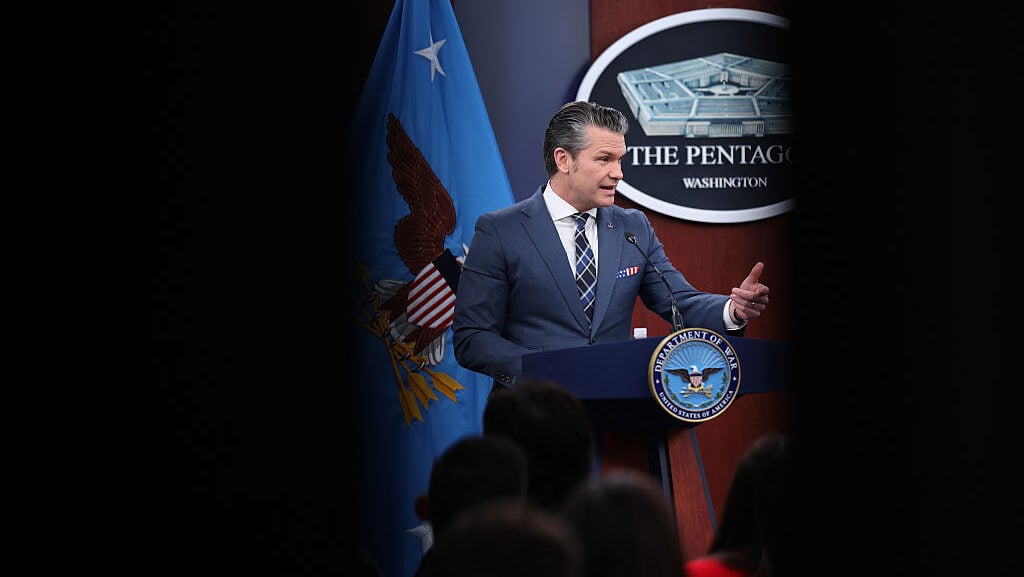
अमेरिकी रक्षा मंत्री पीट हैगसेथ ने पुष्टि की है कि पेंटागन कांग्रेस को एक पूरक बजट अनुरोध भेजने की तैयारी कर रहा है, जो ईरान के खिलाफ सैन्य अभियानों की लागत और भविष्य की आकस्मिक आवश्यकताओं के वित्तपोषण के लिए 200 अरब डॉलर तक पहुंच सकता है। हैगसेथ ने एक प्रेस ब्रीफिंग में इस अनुरोध को स्पष्ट शब्दों में प्रस्तुत करते हुए कहा कि बुरे लोगों को मारने के लिए पैसे लगते हैं और प्रशासन को जो किया जा चुका है तथा जो भविष्य में करना पड़ सकता है, उसके लिए ठीक से वित्तपोषित होना चाहिए।
यह आंकड़ा, जिसे सबसे पहले कई रक्षा आउटलेट्स ने रिपोर्ट किया था, कुछ विश्लेषकों की अपेक्षा से बड़ा है, लेकिन अब तक किए गए अभियानों के पैमाने के अनुरूप है। ईरानी परमाणु और सैन्य ढांचे पर अमेरिकी हमले, जो इज़राइली बलों के साथ मिलकर किए गए, उनमें सटीक हथियारों, लंबी दूरी के स्ट्राइक साधनों और खुफिया-संग्रह अभियानों का व्यापक उपयोग शामिल था, जिससे वर्षों की शांतिकालीन खरीद के दौरान जमा किए गए भंडार में काफी कमी आई है।
200 अरब डॉलर किन मदों को कवर करेगा
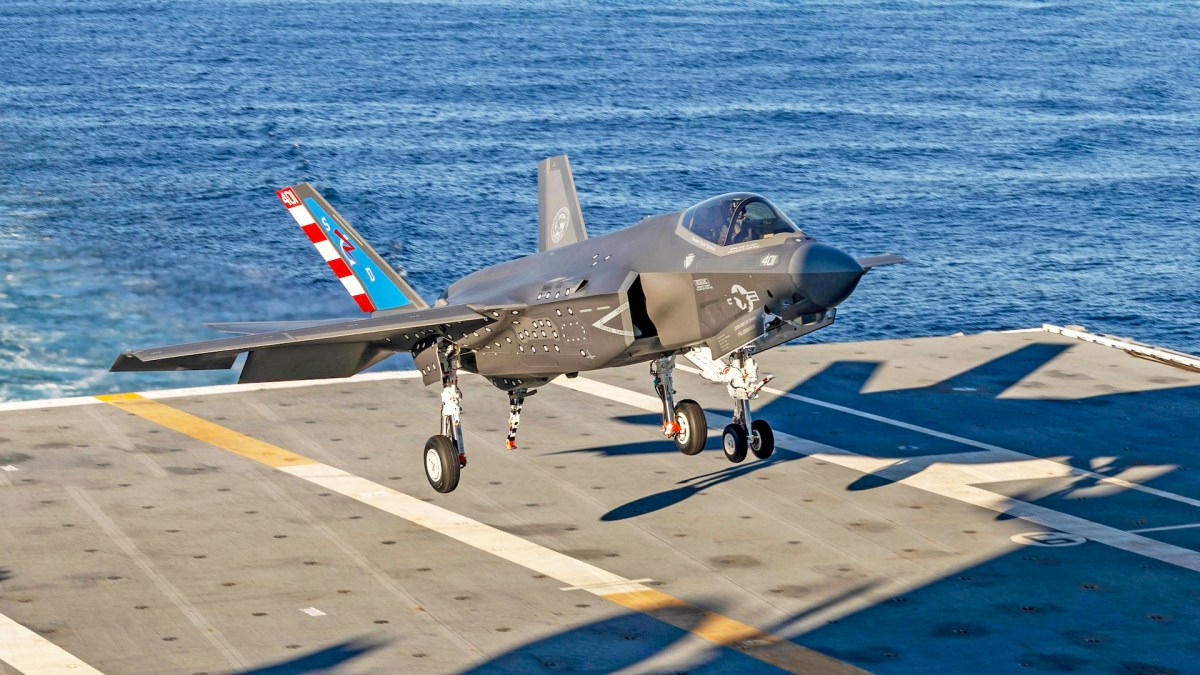
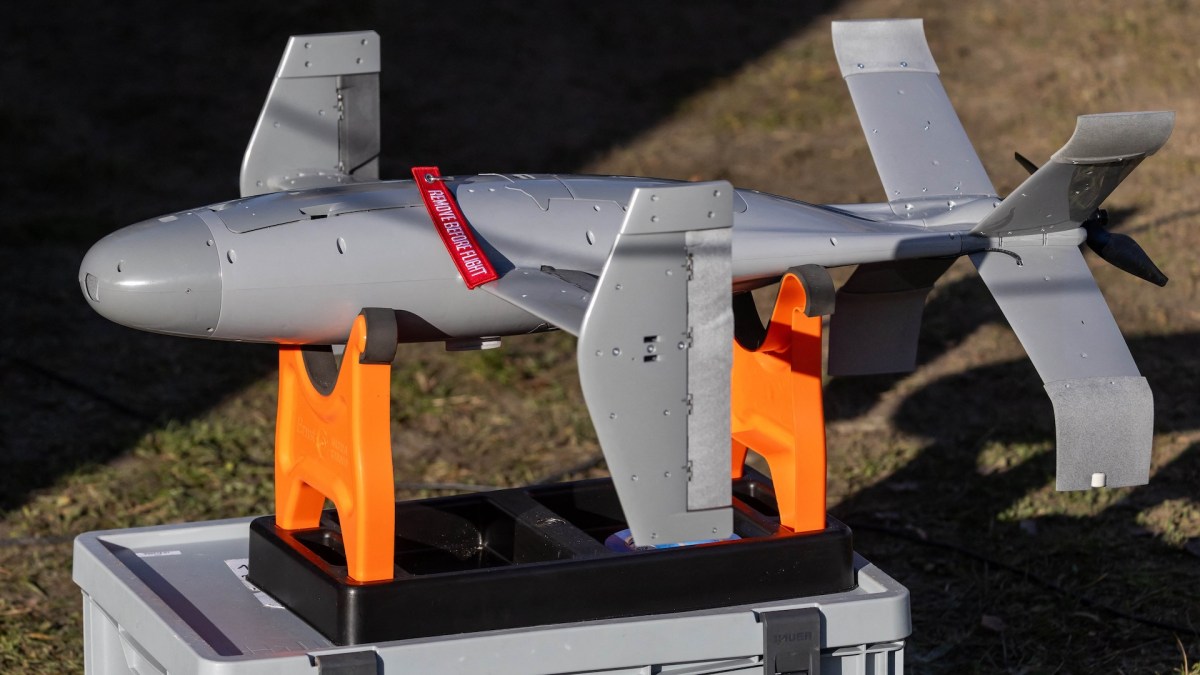
इस पैमाने की पूरक रक्षा विनियोजन कई अलग-अलग खर्च श्रेणियों को वित्तपोषित करेगी। पहला, हमलों में इस्तेमाल किए गए हथियारों की पुनःपूर्ति - जिनमें सटीक-निर्देशित बम, क्रूज़ मिसाइलें और ईरानी जवाबी कार्रवाई से अमेरिकी संपत्तियों की रक्षा के लिए इस्तेमाल किए गए वायु रक्षा इंटरसेप्टर शामिल हैं। ये हथियार महंगे हैं और इनके उत्पादन में लंबा समय लगता है, इसलिए भंडार की बहाली एक प्राथमिकता है, जिसे कांग्रेस को तुरंत अधिकृत करना होगा ताकि वह प्रासंगिक समय-सीमाओं के भीतर लागू की जा सके।
दूसरा, ईरान और आसपास के क्षेत्रों में चल रहे खुफिया, निगरानी और टोही अभियानों का खर्च, जिनमें निगरानी विमानों की निरंतर तैनाती, उपग्रह कार्य-आवंटन और उच्च तीव्रता पर सिग्नल्स इंटेलिजेंस संग्रह शामिल है। तीसरा, क्षेत्र में सामान्य रोटेशन शेड्यूल से आगे अतिरिक्त कैरियर स्ट्राइक ग्रुप और भूमि-आधारित वायु शक्ति बनाए रखने से जुड़ी बल-स्थिति लागत।
हैगसेथ ने स्पष्ट रूप से यह संभावना खुली छोड़ी कि अनुरोध और बढ़ सकता है, यह कहते हुए कि भविष्य में भी अभियान आवश्यक हो सकते हैं और अंतिम आंकड़ा प्रारंभिक अनुमानों के बजाय लड़ाकू कमांडरों के वास्तविक-स्थिति आकलनों को प्रतिबिंबित करेगा।
कांग्रेस की प्रतिक्रिया और राजनीतिक गतिशीलता
यह अनुरोध दोनों दलों की जांच-पड़ताल का सामना करेगा, हालांकि कारण अलग-अलग होंगे। कुछ रिपब्लिकन, विशेष रूप से घाटे को लेकर चिंतित लोग, सामान्य बजट प्रक्रिया से बाहर पूरक खर्च को लेकर असहजता जता चुके हैं। कई डेमोक्रेट्स ने ईरान के खिलाफ अभियानों के लिए कानूनी प्राधिकरण पर सवाल उठाए हैं और तर्क दिया है कि सैन्य बल के उपयोग के लिए मौजूदा प्राधिकरण देश पर हमलों को स्पष्ट रूप से कवर नहीं करते।
फिर भी, युद्धकालीन पूरक विनियोगों के आसपास की राजनीतिक गतिशीलता ऐतिहासिक रूप से मंजूरी के पक्ष में रही है, खासकर जब सैन्य अभियान जारी हों। प्रशासन से अपेक्षा है कि वह समर्थन जुटाने के लिए प्रमुख कांग्रेस नेताओं को गोपनीय अभियान विवरणों पर ब्रीफ करेगा, और अनुरोध को मिशन की निरंतरता तथा सहयोगी देशों को आश्वासन देने के लिए आवश्यक बताएगा।
रक्षा खर्च पर व्यापक प्रभाव
ईरान अभियान ने अमेरिकी सैन्य तत्परता और औद्योगिक क्षमता पर चल रही बहसों को तेज कर दिया है। सटीक हथियारों के खर्च होने की गति ने अमेरिकी हथियार भंडार की गहराई और उन्हें तेजी से पुनः भरने में रक्षा औद्योगिक आधार की क्षमता को लेकर लंबे समय से चली आ रही चिंताओं को उजागर किया है। प्रमुख हथियार प्रणालियों के लिए उत्पादन लाइन विस्तार, जिन्हें पहले के पूरक बजटों में अधिकृत किया गया था, अभी भी बढ़ रहे हैं और अगले 18 से 24 महीनों तक पूरी क्षमता तक नहीं पहुंचेंगे।
200 अरब डॉलर का यह आंकड़ा अगले वित्तीय वर्ष के लिए पेंटागन के नियमित बजट अनुरोध के साथ भी आ रहा है, जिससे रक्षा खर्च का एक असामान्य रूप से बड़ा संयुक्त पैकेज बन रहा है, जो महत्वपूर्ण राजकोषीय दबाव के समय सैन्य खर्च के लिए कांग्रेस की इच्छा की परीक्षा लेगा।
यह लेख Breaking Defense की रिपोर्टिंग पर आधारित है। मूल लेख पढ़ें.
Originally published on breakingdefense.com