HF355 coachbuilt experimentation को छह अंकों वाले बयान में बदल देती है
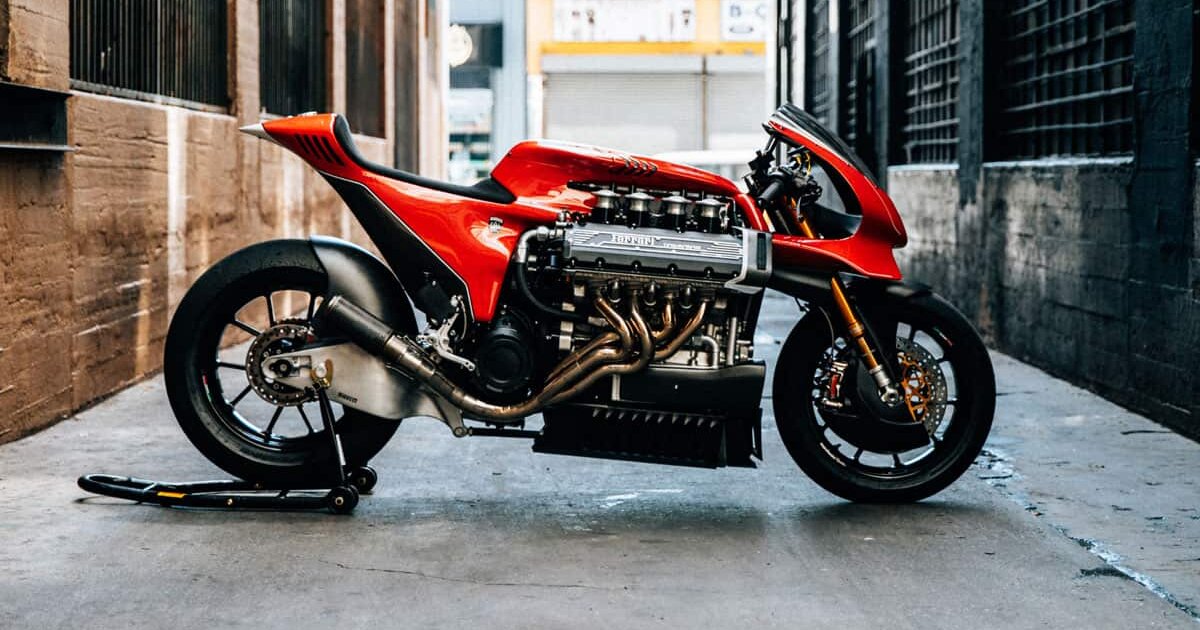
Ferrari V8 से चलने वाली एक custom motorcycle $500,000 से अधिक में बिकी है, और यह परिणाम machine जितना ही extreme fabrication के मूल्य के बारे में भी बताता है। यह bike, Hazan Motorworks HF355, 1999 Ferrari F355 के 3.5-liter V8 के इर्द-गिर्द बनी है और लगभग 18 महीनों की मेहनत के बाद पूरी हुई। इसकी बिक्री कीमत इसे आम तौर पर collectible supercars के लिए आरक्षित territory में रखती है, motorcycles के लिए नहीं।
पहली नज़र में HF355 एक engineering stunt जैसी लगती है। एक अर्थ में यह है भी। लगभग 400 horsepower देने वाला high-revving Ferrari engine एक bike के लिए, खासकर 585 pounds dry weight वाली machine के लिए, एक असंभव-सा आधार है। लेकिन यह project innovation story के रूप में महत्वपूर्ण है, क्योंकि यह दिखाता है कि बहुत कम मात्रा में काम करने वाले अत्यधिक specialized builders क्या कर सकते हैं, जब वे वाहन को modified platform नहीं बल्कि एक ground-up mechanical composition की तरह देखते हैं।
source text के अनुसार, builder Max Hazan ने लगभग हर visible component खुद design और assemble किया, छोटे hardware तक। Fabrication का यह स्तर HF355 को usual custom-bike category से बहुत आगे ले जाता है। Engine किसी conventional motorcycle architecture में फिट नहीं हो सकता था, इसलिए समाधान एक bespoke chromoly front trellis frame था, जिसमें engine stressed member की तरह काम करता है। Transmission और rear suspension engine पर mounted हैं, जिससे powertrain एक structural element बन जाता है, सिर्फ propulsion का स्रोत नहीं।
यह project क्यों अलग दिखता है
Transportation में innovation अक्सर electrification, autonomy, या software के संदर्भ में discussed होती है। HF355 एक अलग lineage से आती है: radical mechanical integration। यह दिखाती है कि एक experienced builder automotive engine को motorcycle में अनुकूलित कर सकता है, बिना परिणाम को सिर्फ novelty तक सीमित किए। दावा किया गया लगभग 50/50 weight distribution इसका अच्छा उदाहरण है। 3.5-liter V8 के mass और size को देखते हुए balance सबसे बड़ी technical बाधाओं में से एक होता। इस समस्या को हल करना ही bike को headline से अधिक बनाता है।
Performance numbers build के पैमाने को स्पष्ट करते हैं। source कहता है कि V8 लगभग 10,000 rpm तक rev करता है, करीब 400 horsepower देता है, और 187 miles per hour की top speed तक समर्थ है। Motorcycle पर यह एक बहुत बड़ा power level है। Machine का reported power-to-weight ratio hypercar territory में पहुँचता है, लेकिन यह पूरी तरह अलग design logic से वहाँ पहुँचता है। Standard superbike template से अधिक performance निकालने के बजाय, HF355 लगभग अपनी खुद की श्रेणी गढ़ देती है।
इसका मतलब यह नहीं कि यह production model बन सकती है। वास्तव में, उलटा सच है। Project की अहमियत partly इसी में है कि यह कितना unscalable है। One-off engineering efforts लंबे समय से इस बात के सांस्कृतिक संकेत रहे हैं कि industrial constraints ढीले होने पर mechanically क्या संभव है। उन्हें product बनना ज़रूरी नहीं है फिर भी वे मायने रखते हैं। वे design language, fabrication methods, और vehicle category की संभावित सीमा को प्रभावित कर सकते हैं।
अद्वितीयता की economics
यह sale custom engineering के बदलते market को भी दिखाती है। Motorcycles लंबे समय तक blue-chip cars जैसी collecting stratum में नहीं रही हैं, लेकिन असाधारण one-offs को अब art objects, technical showcases, और cultural assets के रूप में एक साथ देखा जाने लगा है। आधे मिलियन डॉलर से अधिक की sale बताती है कि खरीदार अब performance या brand के साथ-साथ authorship और singularity को भी significant value देने को तैयार हैं।
यह valuation build process पर निर्भर करती है। source material इस बात पर ज़ोर देता है कि HF355 लगभग पूरी तरह bespoke है, aftermarket parts के kit-like assembly से नहीं बनी। यह अंतर महत्वपूर्ण है, क्योंकि handcrafted fabrication ऐसी scarcity पैदा करती है जिसे सामान्य tuning दोहरा नहीं सकती। व्यावहारिक रूप से, bike में हज़ारों design decisions समाहित हैं, जिन्हें standardize करना कठिन और reproduce करना महँगा होगा। इसलिए इसकी कीमत केवल Ferrari donor engine या visual spectacle से नहीं, बल्कि वस्तु में embedded craft की density से भी जुड़ी है।
इसमें एक cultural angle भी है। HF355 जैसी मशीनें internal combustion के प्रति enduring fascination को पकड़ती हैं, उस समय में जब mainstream transport innovation का बहुत सा हिस्सा दूसरी दिशा में जा रहा है। इसका मतलब यह नहीं कि project retrograde है। इसके बजाय, यह दिखाता है कि legacy powertrains भी frontier-level experimentation को प्रेरित कर सकते हैं, खासकर उन जगहों पर जहाँ emotional design और physical engineering अभी भी value का केंद्र हैं।
HF355 क्या दर्शाती है
HF355 से motorcycle industry में किसी direct commercial sense में बदलाव आने की संभावना नहीं है। यह कोई नया segment नहीं बनाएगी, और न ही V8-powered bikes के mass-market adoption की ओर इशारा करती है। इसकी अहमियत सीमित और अधिक symbolic है। यह साबित करती है कि standardization और digital abstraction से प्रभावित market में भी extreme, uncompromising physical engineering के लिए जगह अभी बची हुई है।
यह भी दर्शाती है कि innovation अक्सर किनारों पर जन्म लेती है। छोटे builders ऐसे forms, proportions, और mechanical arrangements आज़मा सकते हैं जिन्हें बड़े manufacturers cost, compliance, या reliability grounds पर अस्वीकार कर देंगे। ऐसे अधिकांश प्रयोग गायब हो जाते हैं। कुछ cultural reference points बन जाते हैं क्योंकि वे audacity और execution का दुर्लभ संयोजन पकड़ते हैं। HF355 ने संभवतः वह threshold पार कर लिया है।
Collectors के लिए यह एक trophy है। Fabricators के लिए यह इस बात का प्रदर्शन है कि एक skilled shop पर्याप्त persistence और technical control के साथ क्या हासिल कर सकती है। व्यापक transportation world के लिए यह याद दिलाता है कि innovation सिर्फ नए systems और scalable platforms के बारे में नहीं है। कभी-कभी यह ऐसी machine बनाने के बारे में भी है जो इतनी असंभव और इतनी पूरी तरह resolved हो कि वह अपनी category में संभव की परिभाषा बदल दे।
- एक one-off Hazan Motorworks HF355 18 महीने की build के बाद $500,000 से अधिक में बिकी।
- यह 3.5-liter Ferrari F355 V8 का उपयोग एक bespoke motorcycle frame में करती है, जहाँ engine stressed member की तरह काम करता है।
- इसकी कीमत extreme fabrication, rarity, और uncompromising mechanical design की सांस्कृतिक अपील पर टिकी है।
यह article New Atlas की reporting पर आधारित है। मूल article पढ़ें.
Originally published on newatlas.com