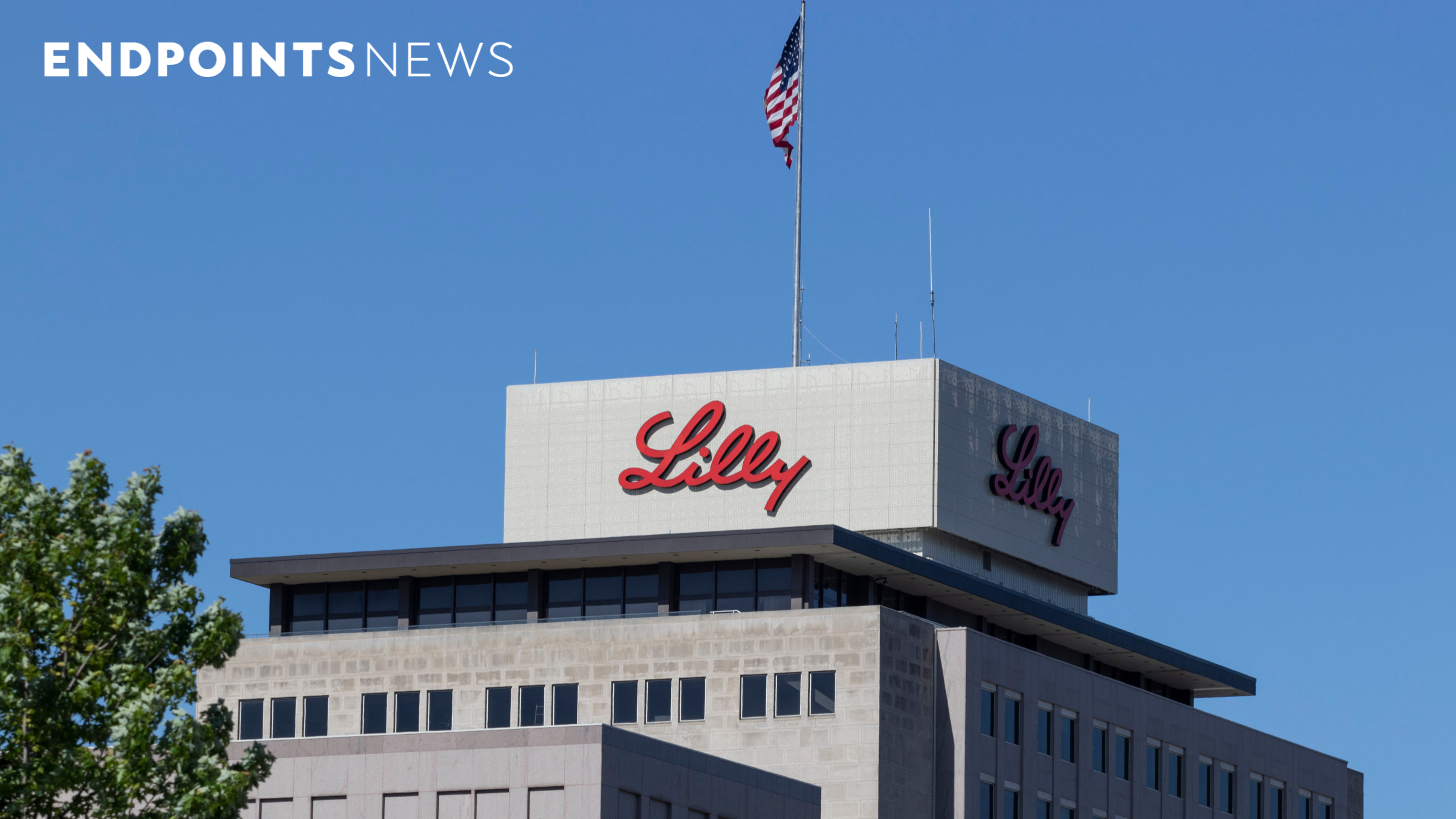
Lilly देश के भीतर अपनी क्षमता बढ़ा रही है
Endpoints News के अनुसार, Eli Lilly Indiana में नई विनिर्माण परियोजनाओं पर $4.5 बिलियन निवेश करने की योजना बना रही है। यह कदम अपने पैमाने और अपने स्थान, दोनों कारणों से महत्वपूर्ण है। Lilly का मुख्यालय Indiana में है, और कंपनी उसी घरेलू आधार का उपयोग एक और बड़े औद्योगिक विस्तार के मंच के रूप में कर रही है।
रिपोर्ट इस निर्णय को एक व्यापक प्रवृत्ति के संदर्भ में रखती है: दवा कंपनियां अधिक अमेरिकी परियोजनाओं का वादा कर रही हैं। इससे Lilly की घोषणा केवल स्थानीय आर्थिक विकास की कहानी नहीं रह जाती। यह इस बात का संकेत भी है कि फार्मास्यूटिकल निर्माण रणनीति लगातार संयुक्त राज्य के भीतर क्षमता-वृद्धि की ओर खिसक रही है।
यह सिर्फ एक कंपनी से आगे क्यों मायने रखता है
पिछले दशक के अधिकांश हिस्से में दवा निर्माण इतना रणनीतिक विषय नहीं था। कंपनियों और नीति-निर्माताओं ने जटिल आपूर्ति शृंखलाओं की नाजुकता, पैमाने पर नई थेरेपी बाजार में लाने की कठिनाई, और अधिक घरेलू उत्पादन विकल्प रखने के परिचालन मूल्य से सालों तक जूझा है। जब दुनिया की सबसे बड़ी फार्मा कंपनियों में से एक निर्माण में और $4.5 बिलियन लगाती है, तो यह इस विचार को मजबूत करती है कि उत्पादन क्षमता अब केवल लागत केंद्र नहीं, बल्कि एक प्रतिस्पर्धी संपत्ति है।
इसका महत्व Lilly के आकार से और बढ़ जाता है। Endpoints कंपनी को दुनिया की सबसे बड़ी फार्मा कंपनी बताता है, जिसका मतलब है कि उसकी पूंजी आवंटन पसंदें आपूर्तिकर्ताओं, स्थानीय श्रम बाजारों और प्रतिस्पर्धी निर्माताओं को प्रभावित कर सकती हैं। इस पैमाने पर काम करने वाली कंपनी बिना गंभीर योजना के अरबों डॉलर की निर्माण प्रतिबद्धता नहीं करती। ऐसे प्रोजेक्ट आम तौर पर लंबे समय के दृष्टिकोण और इस अपेक्षा को दर्शाते हैं कि मांग, उत्पाद मिश्रण या लचीलापन आवश्यकताएं बड़े भौतिक विस्तार को उचित ठहराती हैं।

रणनीति में Indiana की भूमिका
निवेश को Indiana में केंद्रित रखना इस बात का संकेत देता है कि Lilly क्रियान्वयन जोखिम और पारिस्थितिकी तंत्र के मूल्य को कैसे देखती है। निर्माण परियोजनाएं सिर्फ इमारतों के बारे में नहीं होतीं। वे कार्यबल की उपलब्धता, नियामकीय परिचय, लॉजिस्टिक्स, उपयोगिता विश्वसनीयता और तकनीकी ज्ञान के मौजूदा आधार पर निर्भर करती हैं। उस राज्य में विस्तार करना, जहां कंपनी की पहले से गहरी जड़ें हैं, अपरिचित स्थानों में परियोजनाएं फैलाने की तुलना में घर्षण कम कर सकता है।
यह Indiana की जीवन-विज्ञान निर्माण केंद्र के रूप में स्थिति को भी मजबूत करता है। बड़े एंकर निवेश उपकरण आपूर्तिकर्ताओं, अनुबंध सेवाओं, विशेष निर्माण और प्रतिभा प्रवाह को उसी क्षेत्र की ओर खींच सकते हैं। Lilly से पहले से जुड़ी किसी राज्य के लिए और निवेश उस पहचान को और गहरा कर सकता है और भविष्य की परियोजनाओं को सही ठहराना आसान बना सकता है।
घोषणा उद्योग की प्राथमिकताओं के बारे में क्या बताती है
दिए गए सामग्री में यह निर्दिष्ट नहीं है कि नई परियोजनाएं किन उत्पादों या उत्पादन लाइनों को समर्थन देंगी, इसलिए किसी एक चिकित्सीय क्षेत्र या मांग-उछाल को धन आवंटित करना अभी जल्दबाज़ी होगी। फिर भी, यह घोषणा बायोफार्मा में कई व्यापक प्राथमिकताओं को उजागर करती है।
पहला, निर्माण तत्परता अब विकास रणनीति से घनिष्ठ रूप से जुड़ गई है। बायोफार्मा कंपनियां अब यह मानकर नहीं चल सकतीं कि वे पैमाने की समस्या बाद में हल कर लेंगी। यदि मांग मजबूत है, तो आपूर्ति पहले से मौजूद होनी चाहिए। दूसरा, स्थान-निर्णयों में भू-राजनीतिक और नीतिगत महत्व बढ़ रहा है। अमेरिकी-आधारित निर्माण लचीलापन, नौकरियों और रणनीतिक क्षमता के सार्वजनिक अपेक्षाओं के अनुरूप हो सकता है। तीसरा, बड़ी निर्माता कंपनियां बाहरी बाधाओं पर बहुत अधिक निर्भर रहने के बजाय महत्वपूर्ण संचालन पर नियंत्रण बनाए रखने के लिए आक्रामक रूप से खर्च करने को तैयार दिखती हैं।
Lilly का कदम ऐसे समय में आया है जब निवेशकों की कथाओं में निर्माण क्षमता अधिक केंद्रीय हो रही है। पहले के दौर में बायोटेक वैल्यूएशन मुख्य रूप से पाइपलाइन के वादे से चल सकता था। मौजूदा माहौल में निवेशक ज्यादा ध्यान इस बात पर दे रहे हैं कि कंपनियां व्यावसायिक पैमाने पर उत्पादन कर सकती हैं या नहीं, वे कितनी तेज़ी से क्षमता जोड़ सकती हैं, और क्या वे यह सब उचित मार्जिन पर कर सकती हैं।

स्थायी पूंजी-गहनता का संकेत
घोषणा से निकलने वाला एक सबसे स्पष्ट निष्कर्ष यह है कि फार्मास्यूटिकल निर्माण अब भी पूंजी-गहन दौड़ है। नए संयंत्रों और उत्पादन विस्तारों में केवल प्रारंभिक निर्माण खर्च ही नहीं, बल्कि कार्यबल प्रशिक्षण, सत्यापन, उपकरण स्थापना और गुणवत्ता प्रणालियां भी शामिल होती हैं। $4.5 बिलियन की प्रतिबद्धता इस भरोसे को दर्शाती है कि क्षमता का दीर्घकालिक मूल्य वर्षों के अग्रिम खर्च को उचित ठहराता है।
इस स्तर का खर्च प्रतिस्पर्धी गतिशीलता को भी आकार दे सकता है। छोटी कंपनियां अक्सर कॉन्ट्रैक्ट मैन्युफैक्चररों या साझेदारों पर अधिक निर्भर करती हैं, जबकि Lilly जैसी कंपनी अपनी क्षमता के पीछे बड़ा आंतरिक पूंजी निवेश कर सकती है। परिणामस्वरूप, वे कंपनियां जिनके पास अपना औद्योगिक आधार बनाने की क्षमता है और जिन्हें बाहरी उत्पादन स्लॉट के लिए प्रतिस्पर्धा करनी पड़ती है, उनके बीच अंतर बढ़ सकता है।
क्या अभी भी अज्ञात है
दिए गए विवरण कुछ महत्वपूर्ण बातें खुली छोड़ते हैं। इसमें प्रोजेक्ट की समय-सीमा, सटीक स्थान, उत्पाद श्रेणियां या अनुमानित रोजगार संख्या निर्दिष्ट नहीं हैं। यह भी नहीं बताया गया है कि निवेश पूरी तरह नई सुविधाओं में जाएगा, मौजूदा साइटों के विस्तार में, या दोनों के मिश्रण में। इन विवरणों से यह तय होगा कि खर्च कितनी जल्दी उत्पादन में बदलता है और किन आपूर्ति बाधाओं को दूर करने के लिए यह बनाया गया है।
यह भी स्पष्ट नहीं है कि निवेश का कितना हिस्सा भविष्य के उत्पाद लॉन्च से जुड़ा है और कितना वर्तमान मांग से। यह अंतर इसलिए मायने रखता है क्योंकि यह रक्षात्मक निर्माण-विस्तार और विकास-केंद्रित आक्रामक विस्तार में फर्क करता है।

बड़ा महत्व
इन अनुत्तरित सवालों के बावजूद रणनीतिक संदेश स्पष्ट है। Lilly अमेरिकी निर्माण में और $4.5 बिलियन लगा रही है, और वह ऐसा अपनी घरेलू राज्य में कर रही है, न कि उत्पादन को केवल वैश्विक अनुकूलन का विषय मानकर। यह फार्मा में एक व्यापक बदलाव को दर्शाता है, जहां घरेलू क्षमता, परिचालन लचीलापन और औद्योगिक पैमाना कंपनी रणनीति के केंद्र के अधिक करीब आ रहे हैं।
Indiana के लिए यह निवेश राज्य की उद्योग की सबसे बड़ी कंपनियों में से एक के लिए महत्ता को रेखांकित करता है। क्षेत्र के लिए यह एक और संकेत है कि निर्माण प्रतिस्पर्धा के केंद्र के और करीब आ गया है। उद्योग केवल नई दवाओं की खोज और व्यावसायीकरण की दौड़ में नहीं है। वह उन्हें पर्याप्त मात्रा में, सही स्थानों पर, और प्रक्रिया पर अधिक नियंत्रण के साथ बनाने की दौड़ में भी है। Lilly की नवीनतम प्रतिबद्धता इस नई वास्तविकता के बिल्कुल भीतर बैठती है।
यह लेख endpoints.news की रिपोर्टिंग पर आधारित है। मूल लेख पढ़ें.
Originally published on endpoints.news